



karpagam_theatres Via Instagram
The Mummy franchise is one of the most reputable monster legacies in the history of Hollywood that is reformed every time to incorporate the audience preferences and film trends. Gone are the haunting black-and-white horror, high-budget action spectacle, and the passage of decades and decades through its evolution has led to changes in storytelling, technology and depth of characters. Every epoch reinterprets the ancient curse, preserving the legend and giving it its own coloration, images, and emotional accents depending on the new generations of the audience across the globe.
Origins of Terror: The Classic Era (1930s–1940s)
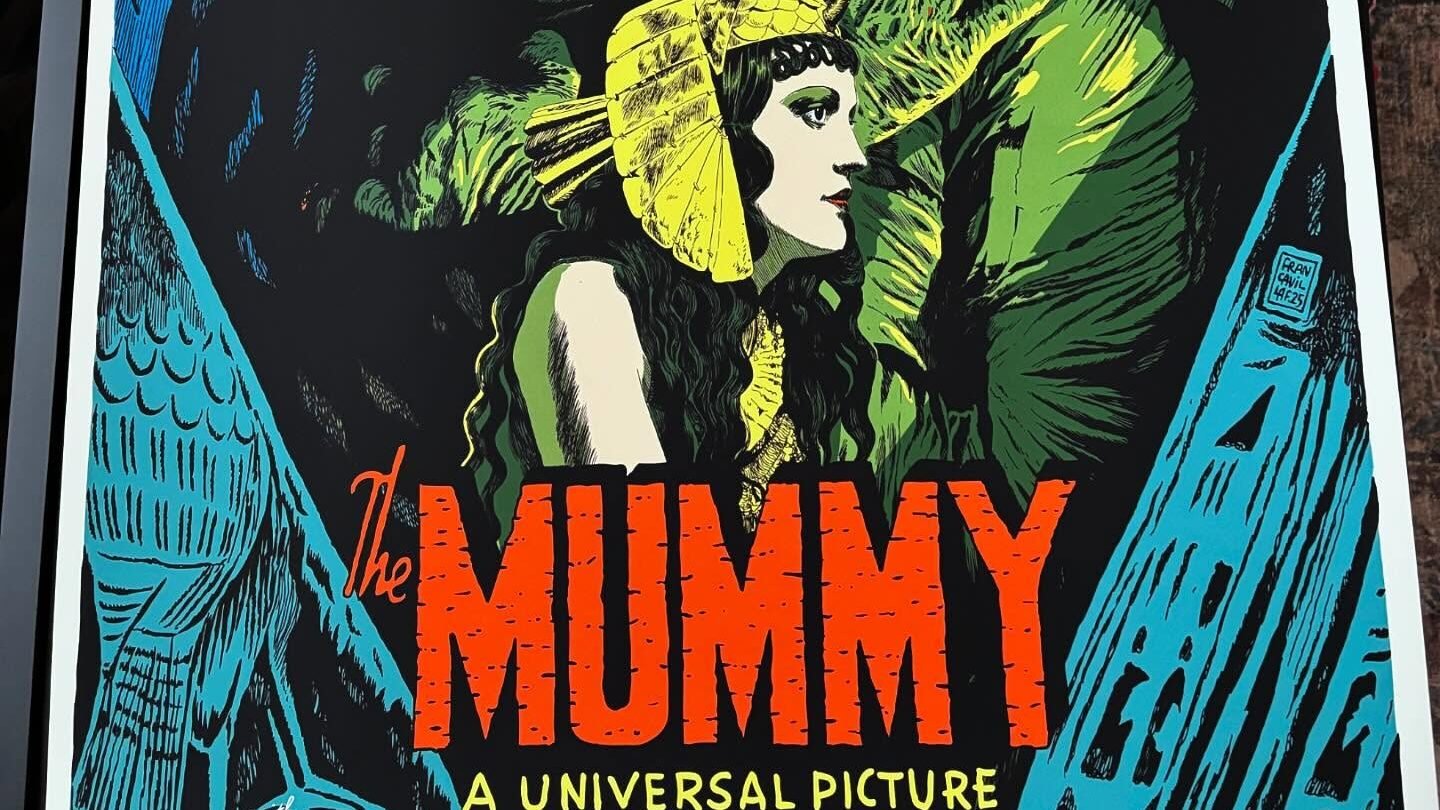
The core of the franchise was established by The Mummy (1932), a film that unveiled viewers to a chilling story with Egyptian mythology and black curses in it. It was slow and dark enough to instill fear in its audience and present to early horror movies the feeling of dread, and Boris Karloff made the creature a tragic and memorable icon.
Hammer Horror Revival (1950s–1970s)
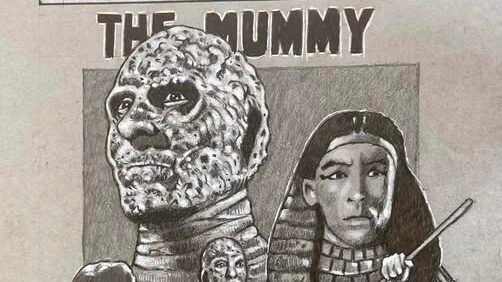
The franchise was revitalized with The Mummy (1959), embracing vivid color cinematography and a more intense visual style. This period changed the mummy as something mysterious into something physical and dangerous with Christopher Lee playing the part in a debilitating and ruthless rendition of the same that put fear not in the air but in the action.
Action-Adventure Transformation (1999–2008)
The Mummy (1999) came with a great reinvention with a combination of adventure, humour and romance in a blockbuster format. The movie reconfigured the mummy as a deadly antihero, but also as a spectacle, forging successors such as The Mummy Returns that added to the lore with greater involvement and wider audiences.
The Rise of CGI and Spectacle
The improvement in technology changed the franchise with the practical effects being substituted with more advanced CGI effects and as a result the mummy was able to exhibit supernatural powers in a much more extensive way. Such characters as Imhotep grew in powers closer to deities, putting the emphasis on visuality, as well as the requirements of the audience in the late 1990s and early 2000s were to tell the stories they can immerse themselves in and have meaning in terms of effects.
Character Evolution: From Monster to Anti-Hero

Throughout its existence, the mummy transformed into a tragic and sinister being that could move and had motives and personality. Earlier versions were fear-based and more mysterious, whereas later personas were more emotional and had more of a back story providing a balance between horror and empathy that enabled the audience to connect with the character despite its monstrous appearance.
Gender and Representation Shifts

The franchise made a radical left-turn with The Mummy (2017), as the movie features a female antagonist, Princess Ahmanet, played by Sofia Boutella. This transition served to bring the dynamic of Hollywood to the representation that was evolving and brought a new angle to the old monstrous elongation, reinventing the old roles and bringing new dimensions to the storyline.
The Future of The Mummy Franchise

Moving forward, the franchise has the potential to be rediscovered by going back to its horror roots, albeit incorporating contemporary story-telling methods. New opportunities can be found in contemporary tendencies in psychological horror and streaming services but the next adaptations should possibly weigh nostalgia against the new elements to make sure that the mummy is an appealing and topical character of Hollywood movie-making.
About the Author