





The Bollywood has been perceived as a mirror of the society, but there have been instances when it was way ahead of its time, and weakening conventions and re-defining the way of telling stories. Some movies had the guts to discuss the unconventional, progressive and brave stories way ahead of the viewers who were not yet ready to accept them in all their authenticity. Such film endeavors did not only challenge the limits of creativity but also set precedence to forthcoming filmmakers to think outside the box and narrate stories that have a deeper meaning and social significance.
Pyaasa (1957)
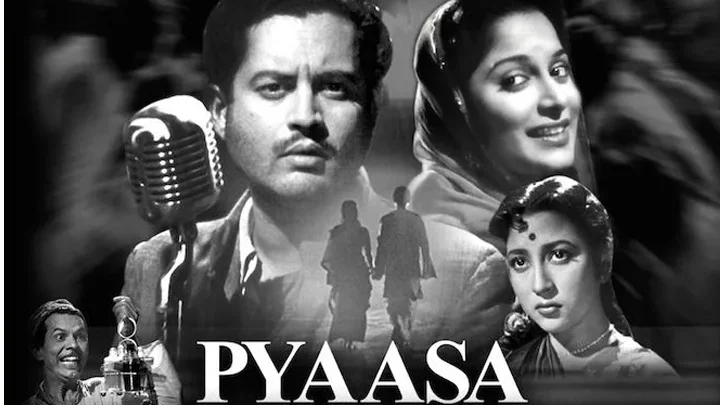
Themes of artistic struggle, materialism, and emotional isolation in a society dominated by superficial values were uncovered in a timeless classic that touched the hearts of many much farther than its time. Its depiction of a misinterpreted poet made it clear that there is an emotional price of being right and being a creative person, which is why it remains very relatable even to the present-day world.
Kaagaz Ke Phool (1959)
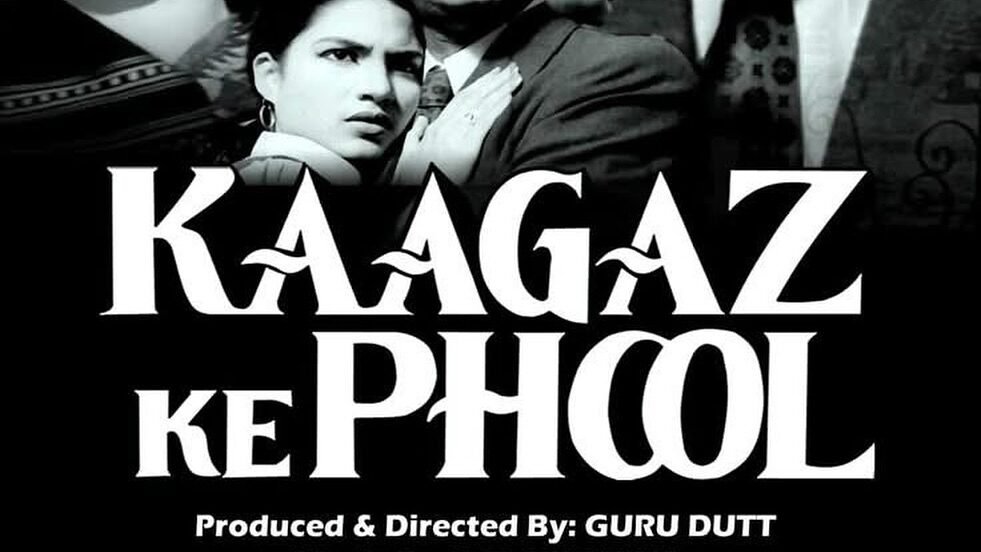
An eerie story of stardom and solitude, this movie explored a more shadowy side of the film industry during an era when such a reflection usually was not done in popular cinema. Its delicate portrayal of individual decay and social disapproval exposed the emotional frailty underlying success, and provided a viewpoint that viewers did not start to understand well until decades later.
Guide (1965)
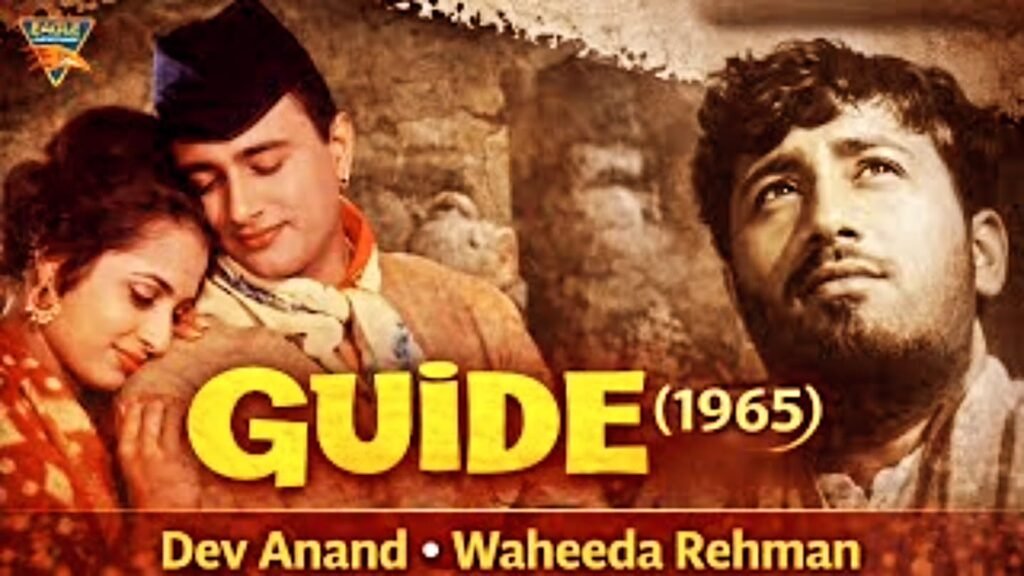
This movie defied the traditions of conventional storytelling and approached the themes of personal freedom, spiritual transformation, and the intricate human interrelations with the depth and sensitivity. Its non-traditional storyline and ethically ambiguous characters broke several traditional rules and offered a multifaceted narrative that was much more contemporary than its era.
Anand (1971)

This highly emotional movie touched on life, death and the human spirit with sensitivity that cut across generations and focused on the need to live and enjoy yourself in spite of the eventual ends. Its philosophical subtext, emphasis on emotional stamina provided a welcome change to the conventional melodrama and resulted in a deep movie experience.
Arth (1982)
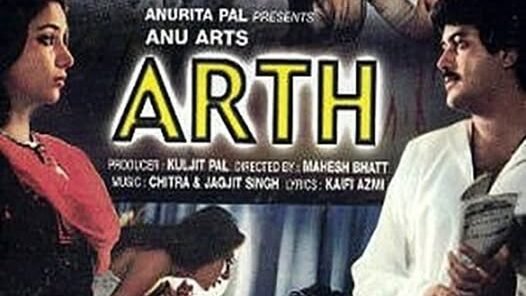
Diving into the theme of self-identity and independence, this movie was a bold story of a woman regaining her life after betrayal, a theme that was hardly discussed with such openness at that time. It broke the norms of societal expectations by its realistic depiction of emotional strength and personal development and became a benchmark in progressive narration.
Masoom (1983)
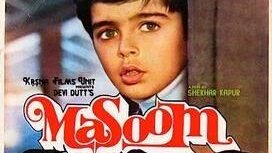
This film highlighted the problem of acceptance, responsibility, and compassion in a very human manner because of its sensitive approach to the complex family dynamic and emotional conflict. Its low-key narrative and emphasis on inner conflict distinguished it and presented a subtle viewpoint that seemed to be ahead of the general trends in cinema.
Dil Se (1998)

The movie has addressed love, war, and politics issues in a bold manner that challenged the limits of traditional love stories. The fact that it mixed personal emotion with bigger socio-political concerns made it a cross-layered story which was striking visually and thought-provoking intellectually, so that it still makes a strong impact even now.
Swades (2004)

Emphasizing the idea of social responsibility and the development of the grassroots, this movie showed the necessity to go back to the roots and contribute to the development of the society. Its authentic depiction of the rural issue and personal responsibility provided a valuable story that made people think deeply, being a progressive filming work.
About the Author