





Skin is strikingly variable, predetermined by genes, climate, way of life and cultural practices that have been developed over the centuries. In moist cities by the coast to dry areas in the north, skin issues differ greatly, but most natural treatment methods are universal across the skin types. The given article is devoted to the tips and tricks of beauty which have been tested over time and are supported by science and really do good to Indian skin and can be incorporated into the contemporary lifestyle without harsh tendencies and instant solutions.
Understanding Skin Type

The Indian skin tends to be more melanin-rich that provides natural protection against the sun, although it is more subject to pigmentation and an unbalanced degree of color, so it is imperative to know whether the skin is oily, dry or a combination of both as well as sensitive skin before selecting any natural remedy. Natural ingredients are more effective when they correspond to your skin type to avoid skin irritability or disequilibrium.
Cleansing Gently
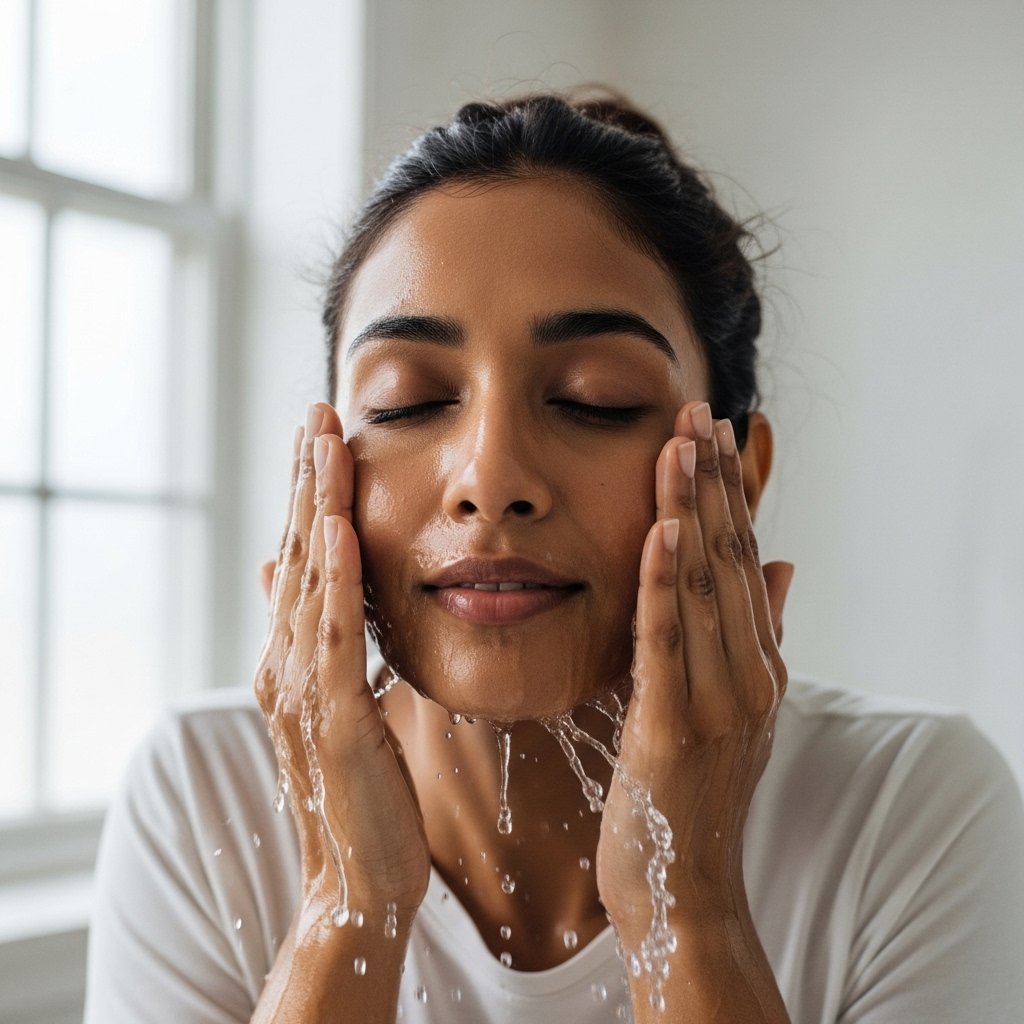
Natural cleansing is best applied in the Indian skin when it cleanses pollution, sweat and excessive oil without drying it up particularly in hot or dusty conditions. Mild cleansers with additions of plant-based ingredients such as aloe vera or rose water assist in keeping the skin barrier intact and keeping the pores open and fresh.
Hydration Balance
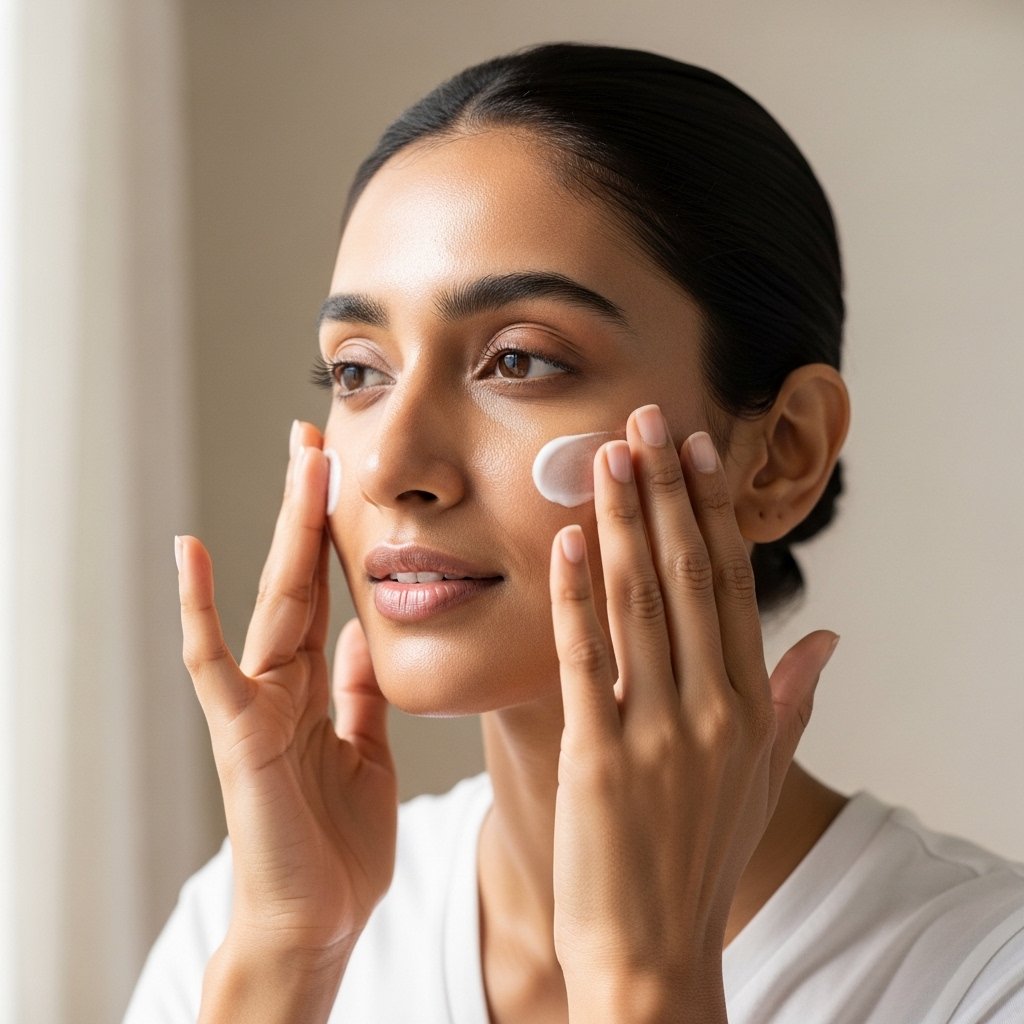
Although Indian skin tends to be very oily, it is still dehydrated, thus, making the skin dull in the long run and uneven. The consumption of a sufficient amount of water and the use of light, natural hydrators promotes elasticity and radiance and does not block pores and provoke the production of excess oil.
Sun Protection

Although the skin of Indians contains more melanin, it remains susceptible to sunburns and tan and permanent pigmentation due to UV radiation. Even the coloring of the skin and avoiding early aging effects can be achieved through natural sun protection habits like using a protection made of minerals or covering the skin during the most intense time of the day.
Nourishing Oils
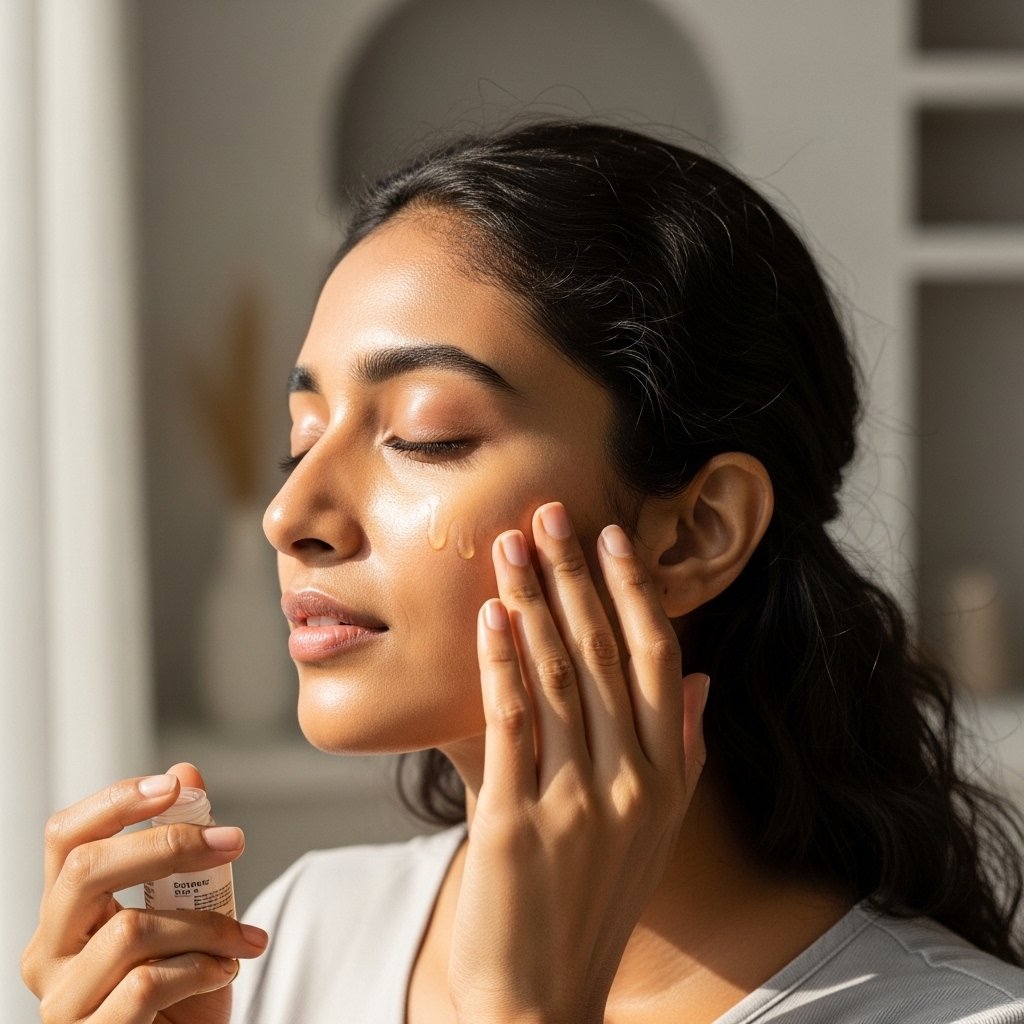
Right facial oils can be of great help to Indian skin when used sparingly and effectively selected. Light oils such as jojoba oil or almond oil replicate the natural sebum and restore the skin barrier in addition to providing softness and strength.
Weekly Exfoliation
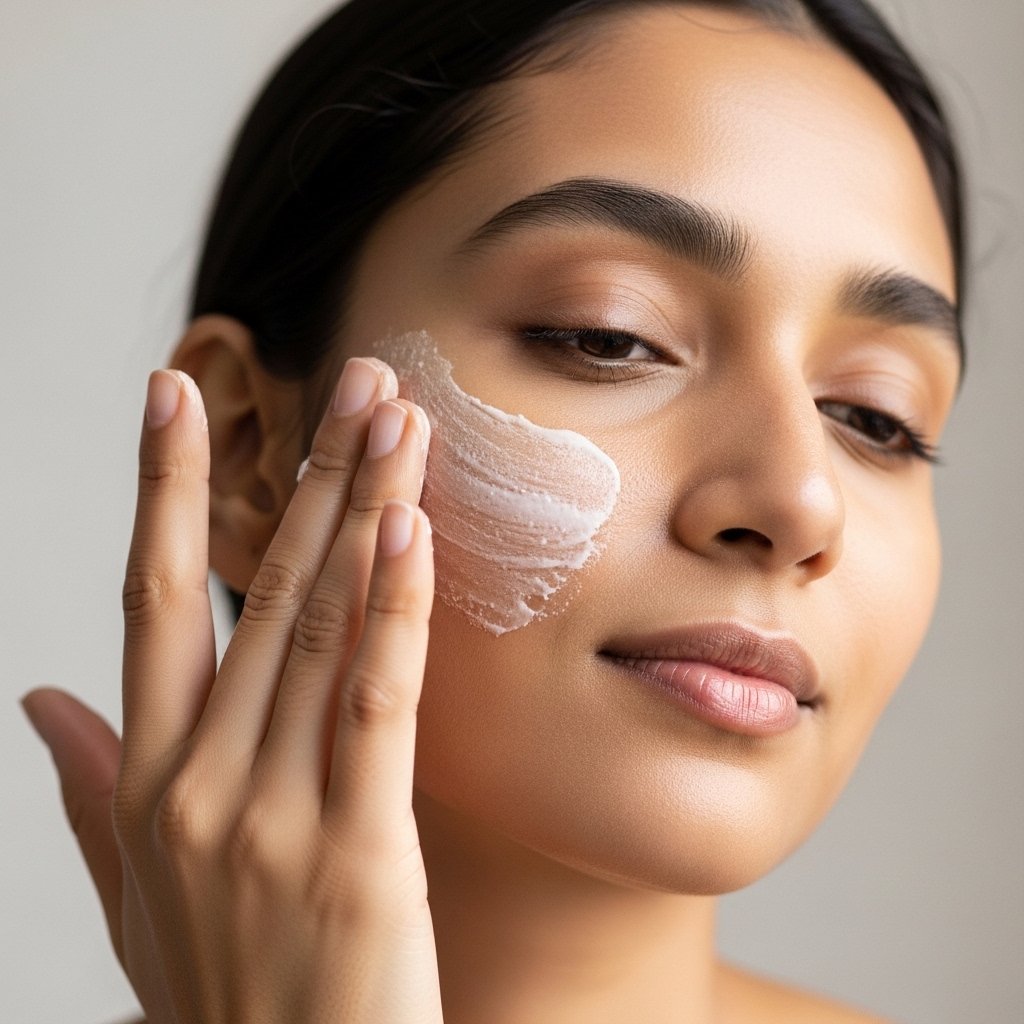
Light peeling is essential to Indian skin since dead skin accumulation may enhance dullness and spots. When applied in moderation, natural exfoliating agents will improve the rate of cell turnover and absorption of skincare ingredients without any micro-damages.
Supporting Pigmentation

The pigmentation is a frequent issue of the Indian skin, which is usually provoked by the sun exposure, inflammation, or hormonal variations. Women can have a natural brightening ingredient which renews the skin and promotes balance and clarity without interfering with the production of melanin.
Soothing Sensitivity
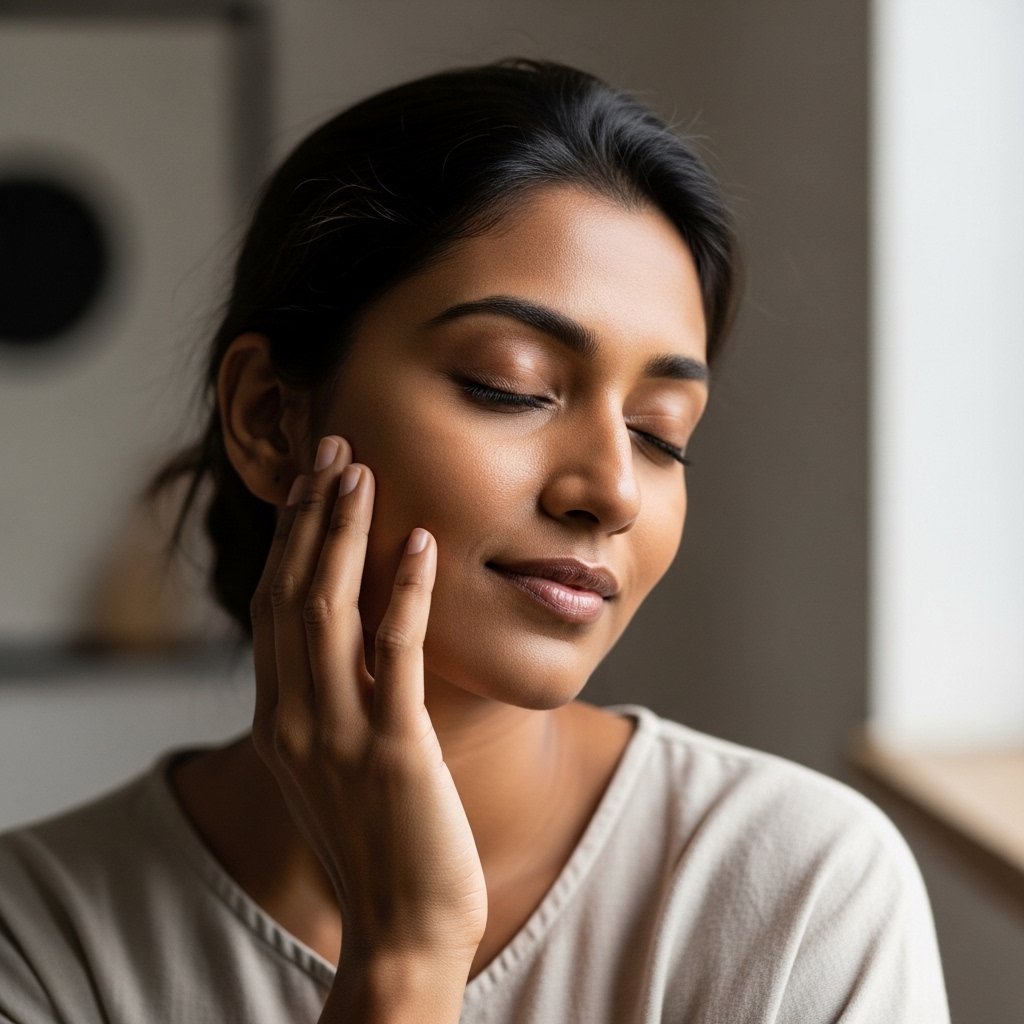
Even strong-looking Indian skin may turn sensitive because of weather change, pollution, or the excessive use of products. Natural ingredients are soothing which alleviates redness and pain and enhances the natural defense mechanism of the skin.
Diet Connection

The health of the skin is closely related to what one eats and in the case of the Indian skin it is very sensitive to internal swellings and nutrient distribution. Eating of fresh, whole foods with high levels of antioxidants will help in achieving natural radiance and eliminating breakouts internally.
Sleep and Repair

Indian skin is dependent on quality sleep as it is one of the key mechanisms of repairing the skin after facing environmental stress and exposure on a daily basis. Regular sleeping pattern aids in making collagen and enhances the skin tone and texture naturally.
Consistency Matters

Naturally, the natural beauty regimens demonstrate the most beneficial outcomes when constant instead of alternated. The Indian skin is very receptive to a constant attention, patience, and simple habits that would help sustain the health rather than aggressive treatment in the short term.
About the Author