





The season produces a silent change in the demands of skincare in winter, but heels are required because most people do not pay attention to them until soreness sets in. Low humidity, cold air and indoor heating dries the skin, exposing the heels to drying and cracking. With proper attention and good habits, one can have soft and healthy feet during the season without the pains and irritation that come with the negligent heels.
Daily Moisture
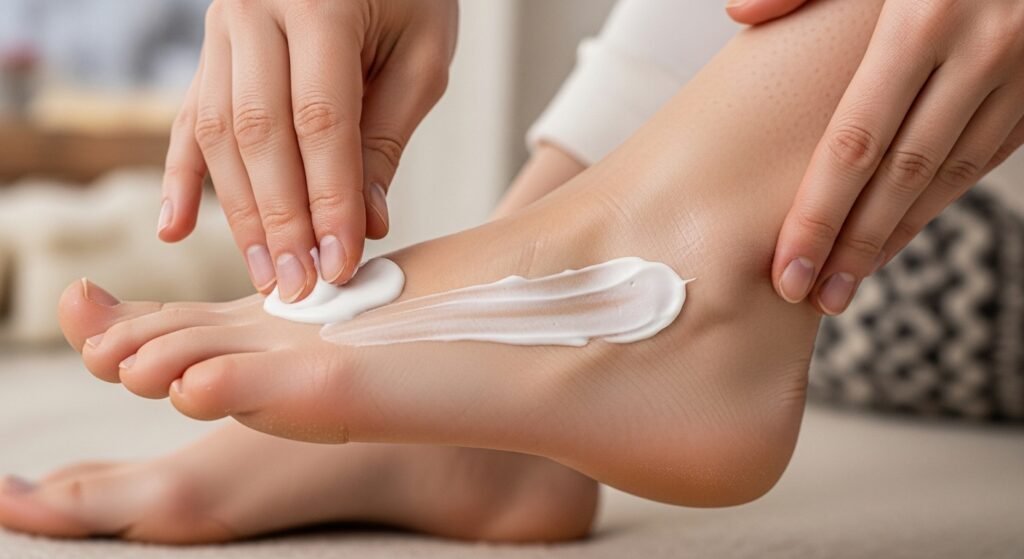
It is important to ensure that heels are kept moist on a daily basis so that they do not dry up creating deeper fissures. An enriched fragrance-free, non-oily moisturizer should be applied upon showering to keep the skin hydrated, and this will aid the natural barrier to the skin.
Gentle Cleansing
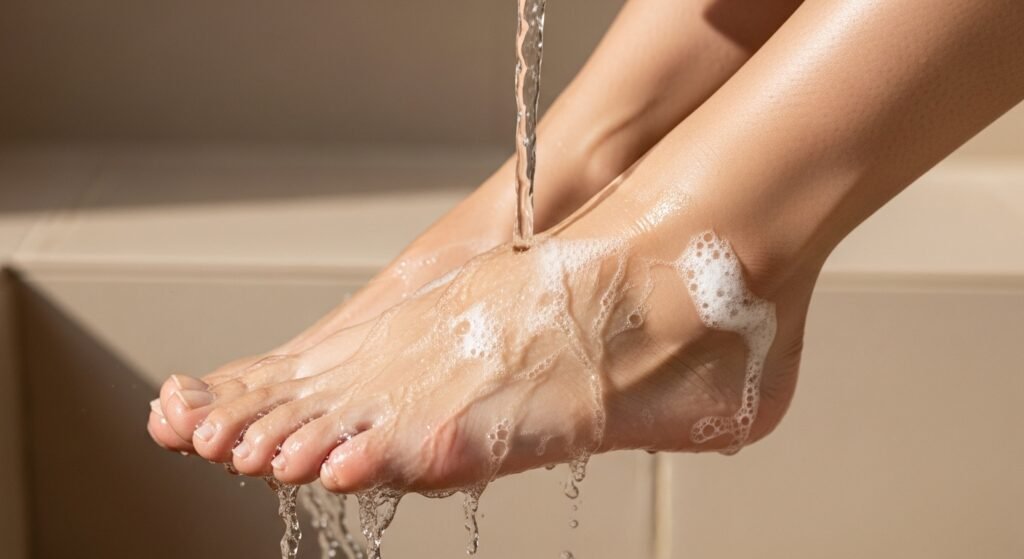
Severe soaps may cause the loss of vital oils to the skin, thus exposing the heels to the risk of being dry. Mild cleanser used maintains hydration and dirt and build up are still cleaned.
Regular Exfoliation
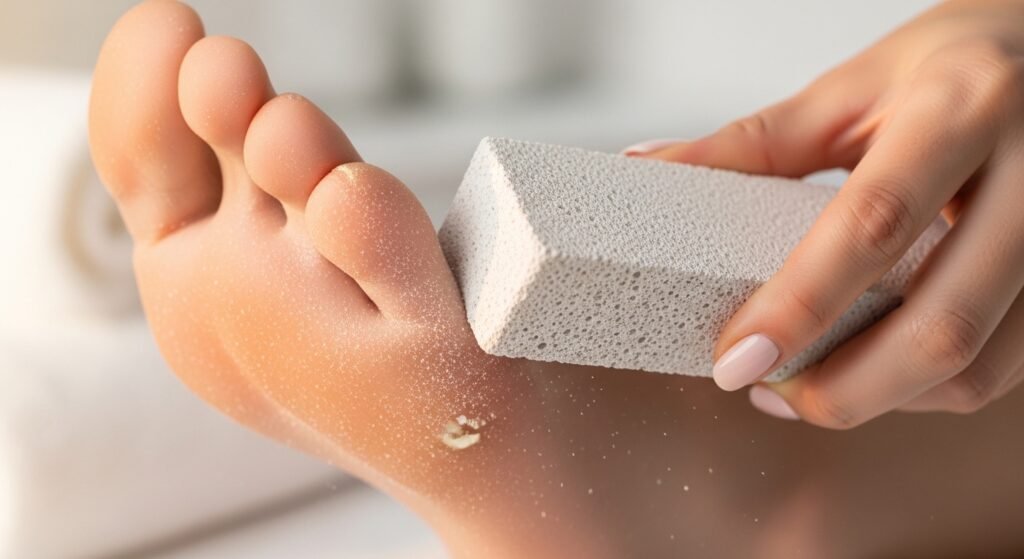
During winter, dead skin can build up very fast resulting into rough and uneven heels. Moving the skin in a gentle exfoliation several times a week will soften the skin and enable moisture to reach the deeper layers.
Proper Footwear
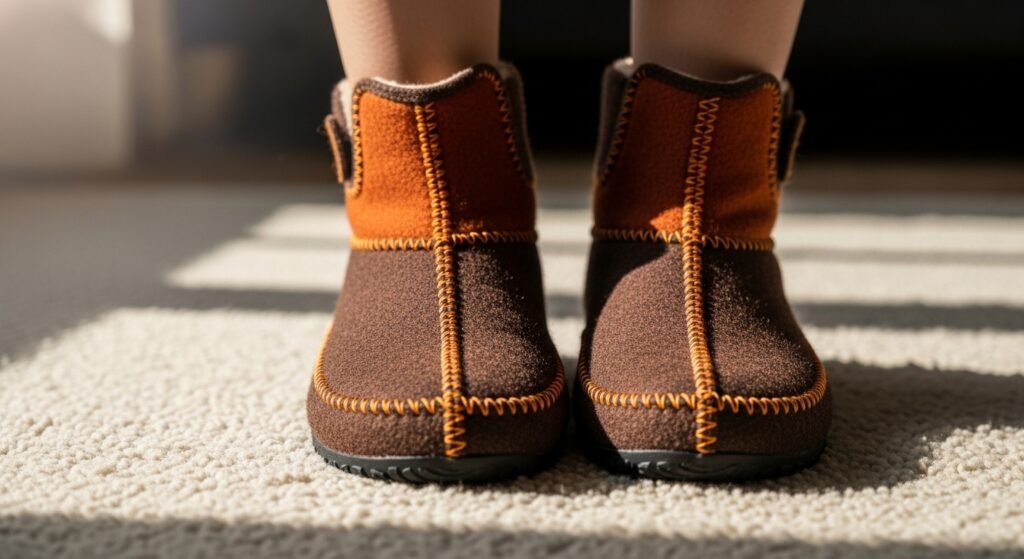
Open-back shoes leave heels exposed to dry air and make them lose more moisture. Wearing closed well-fitted shoes is an option that serves the purpose of protecting the skin and keep it soft during the day.
Night Routine

It is said that before going to sleep, applying a layer of moisturizer on the skin will allow the skin to heal during the night. Soft cotton socks also improve absorption and trap the hydration after.
Hydration Intake
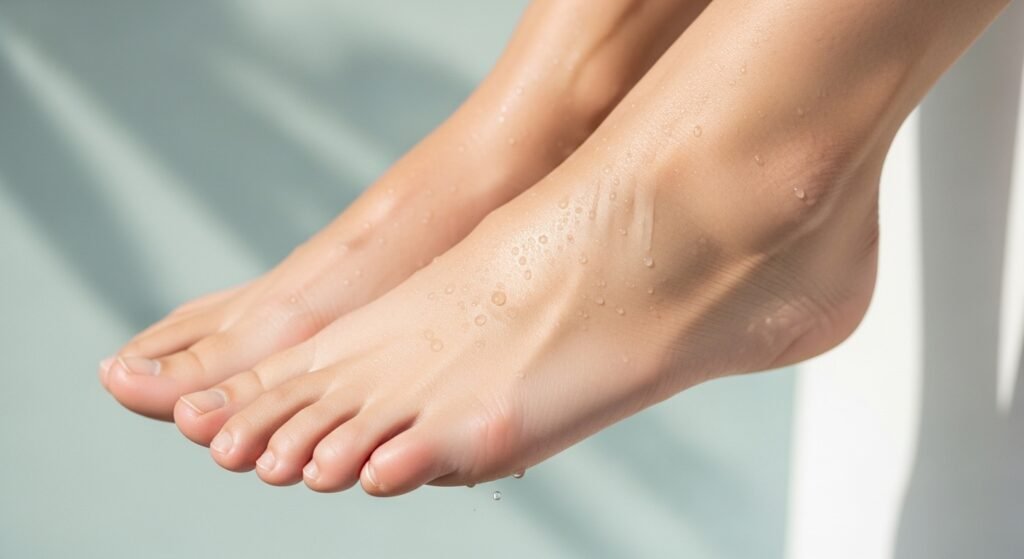
It starts with the inside of the skin and proper hydration is significant in preserving the elasticity. Water consumption helps in maintaining the general wellbeing of the skin and in easing chances of skin drying up.
Avoid Hot Water
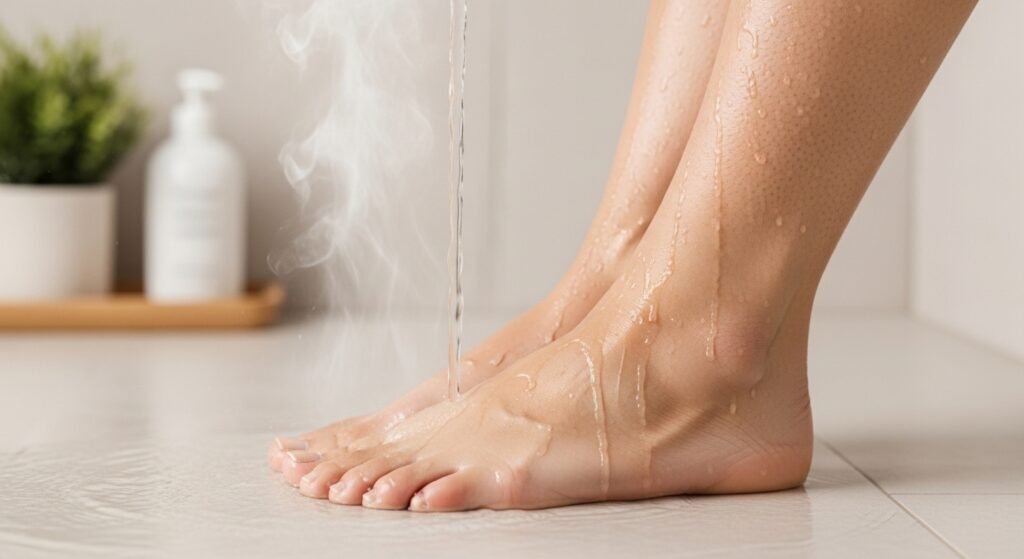
Long hot showers can be very inviting during winter but they can exacerbate dryness by depleting natural oils. The alternative of using lukewarm water will be protective of the moisture balance in the skin.
Early Treatment
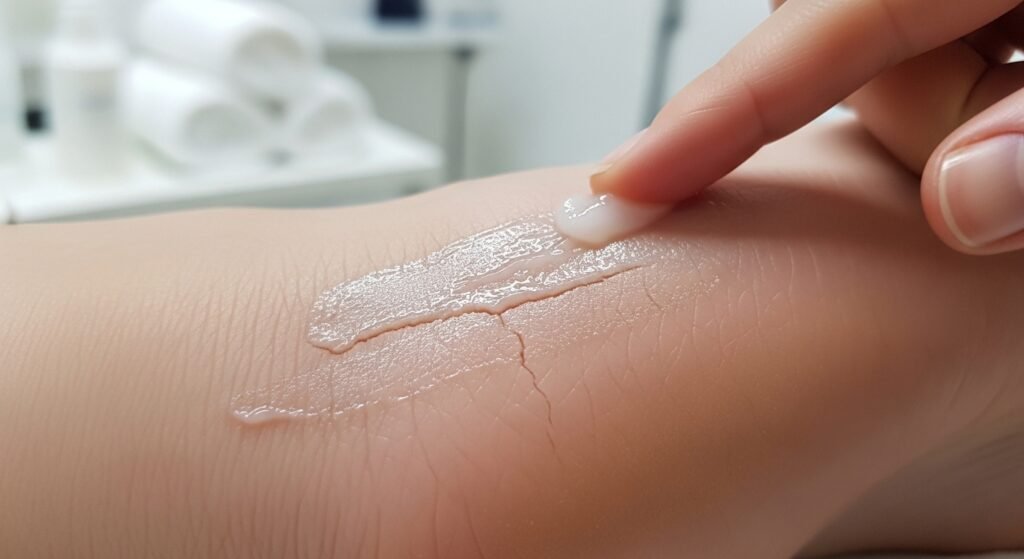
Small cracks may easily become deep when neglected and result into discomfort and even infection. Early intervention which is done by prompt attention to the problem of dryness averts the occurrence of serious complications.
About the Author