



Space has long been a source of captivation among filmmakers as it has inspired stunning images which captivate the mind but many times bend the law of physics. Although such film scenes generate suspense and thrill, they often ignore fundamental laws of physics, astronomy, and human survival. Making sense of how movies misrepresent reality doesn’t just enhance an appreciation of science but can also demonstrate how movies give way to spectacle, creating the perception of what space should be like in the mind of the general population.
Gravity Movie Scenes
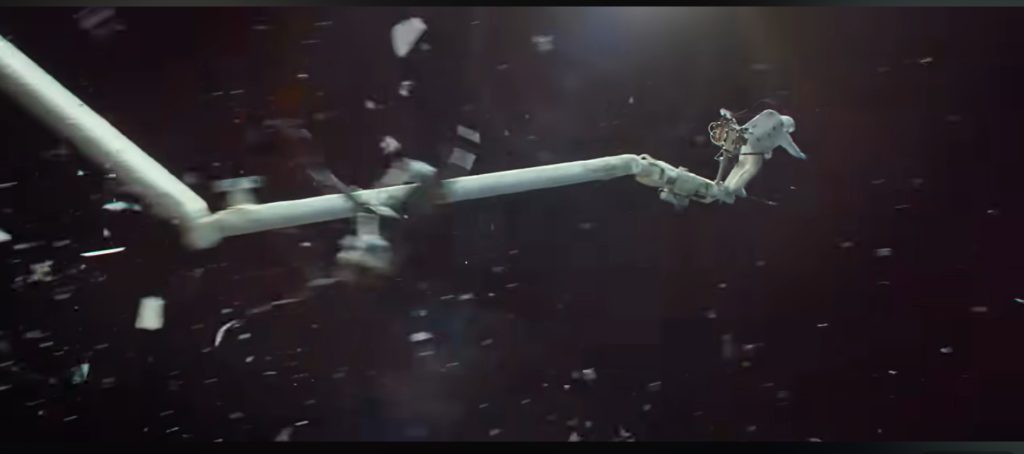
Movies such as Gravity generate terrific drama through floating debris and cold-blooded, but frequently underestimate the fulfillment of bodies in orbit. In practice, the effects of motion in space are subject to specific orbital mechanics, such that debris are not as likely to collide or essentially run over each other as they are presented in such high tension film sequences.
The next problem is usually the speed of the characters traveling between locations in orbit, disregarding the vast distance and highly computed orbits. Seven rockets make it to move through the space, even the slightest changes demand considerable planning so that spontaneous movement is much less dramatic, yet much more complex than it is represented in films.
Interstellar Black Holes
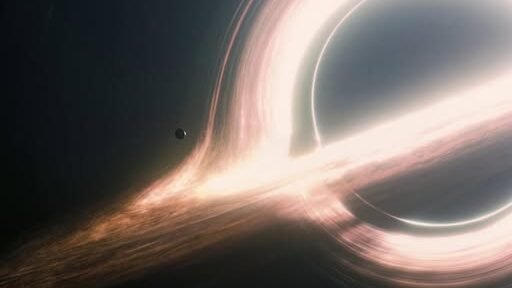
Films such as interstellar are commended in their attempt to put in effort in the sciences but they nevertheless attempt to streamline the radicality of the black holes and the distortion of time in the films to better tell the story. Although time dilation actually exists, the manner in which characters experience it appears to be compression to prevent narrative stagnation instead of capturing the signal of changes that are long-term and slow predictable by physics.
The destructive gravitational forces of black holes cannot be completely depicted on the visual description that, though is influenced by theory, is not a total portrayal of the holes. The intense radiation and tidal forces would act upon any object that was close enough so that any scenario of survival depicted on the screen would be extremely unlikely, not to mention what the audience is made to think.
Star Wars Battles
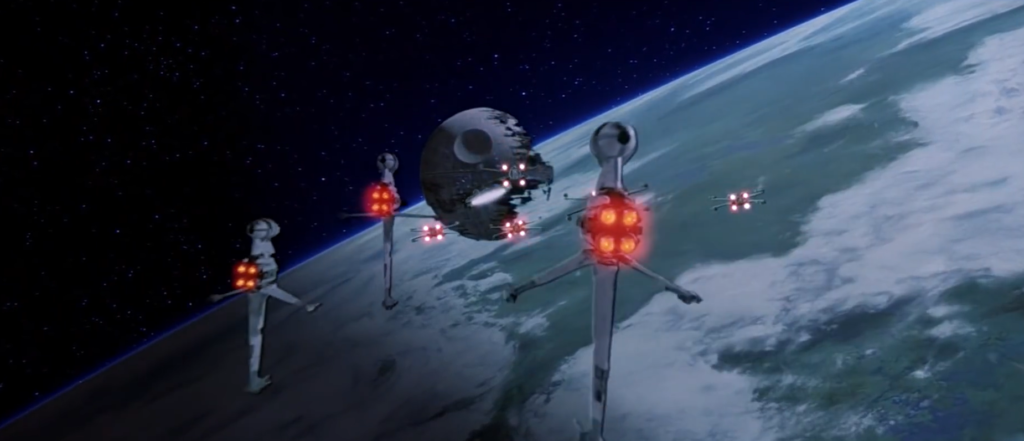
Star Wars battle in space is exciting, yet it is greatly dependent on the earth-like conditions, which are absent in space. Explosions create sound effects, although in space there is no sound travel, and these sequences were created scientifically incorrect, but to the audience, dramaturgically effective.
Also, spacecraft fly in an atmosphere like fighter jets, turn and redirect, banking which defies zero gravity motion principles. The actual spacecrafts do not use thrusters, so the movement is sluggish and calculated in contrast to the rapid movements of the dogfights shown.
Martian Survival Story

The Martian takes a realistic viewpoint on surviving on Mars, but it consists of exaggerated environmental factors. The dust storm in the introductory case, say, would not create sufficient power in the thin air of Mars to result in the extent of devastation, as depicted in the movie.
The film has simplified long term issues faced by humans like radiation and emotional tensions, although it is very real in the other aspects. These are the important elements of a real mission and they are usually reduced in importance to ensure the emphasis remains on problem solving and ingenuity to survive.
Armageddon Asteroid Mission
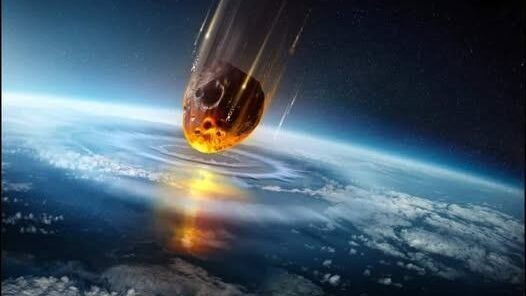
In Armageddon, the concept of drilling into the asteroid and dividing it with the nuclear device is extremely unrealistic. Such an approach is impractical with current state of the art, or technology predictable, technology due to the size, composition and gravitational binding of asteroids.
The movie has also undermined the way resources are involved in training civilians into space missions by claiming that they can learn very specialized jobs quickly. However, in real life, these are implausible even in an emergency situation because astronauts have gone through years of intense training and such last minute solutions are not practical.
Apollo 13 Drama
Apollo 13 is a more realistic space movie but still dramatizes some aspects to have an emotional effect. Delay in communication and technical processes are occasionally scaled back to keep pace and clarity to the audiences uninformed of the aerospace processes.
Time lines are also condensed in the movie and events seem closer than they. Although the major plot is still loyal, these changes point to the fact that even realistic movies distort the facts a few notches to tell a story without being too distorted of the reality.
Alien Space Travel
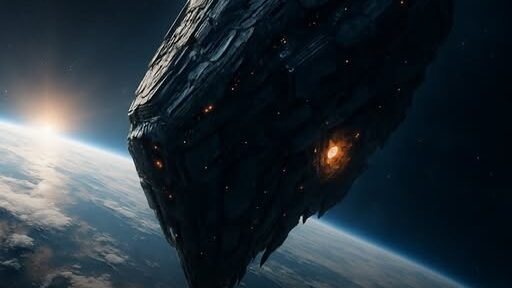
Even films such as Alien portray long-distance space travel as an everyday occurrence, yet these films tend to shove aside the vast difficulties in doing so. As the current technology would require years or even centuries to reach the level of space travel, life support systems and solutions to keep man alive would be needed.
The answer, known as cryosleep, is the imaginary and not proven. The simplicity in which the characters can pop into and out of these states ignores the biological factors in which it takes place and portrays something that is certainly not viable in reality at the present.
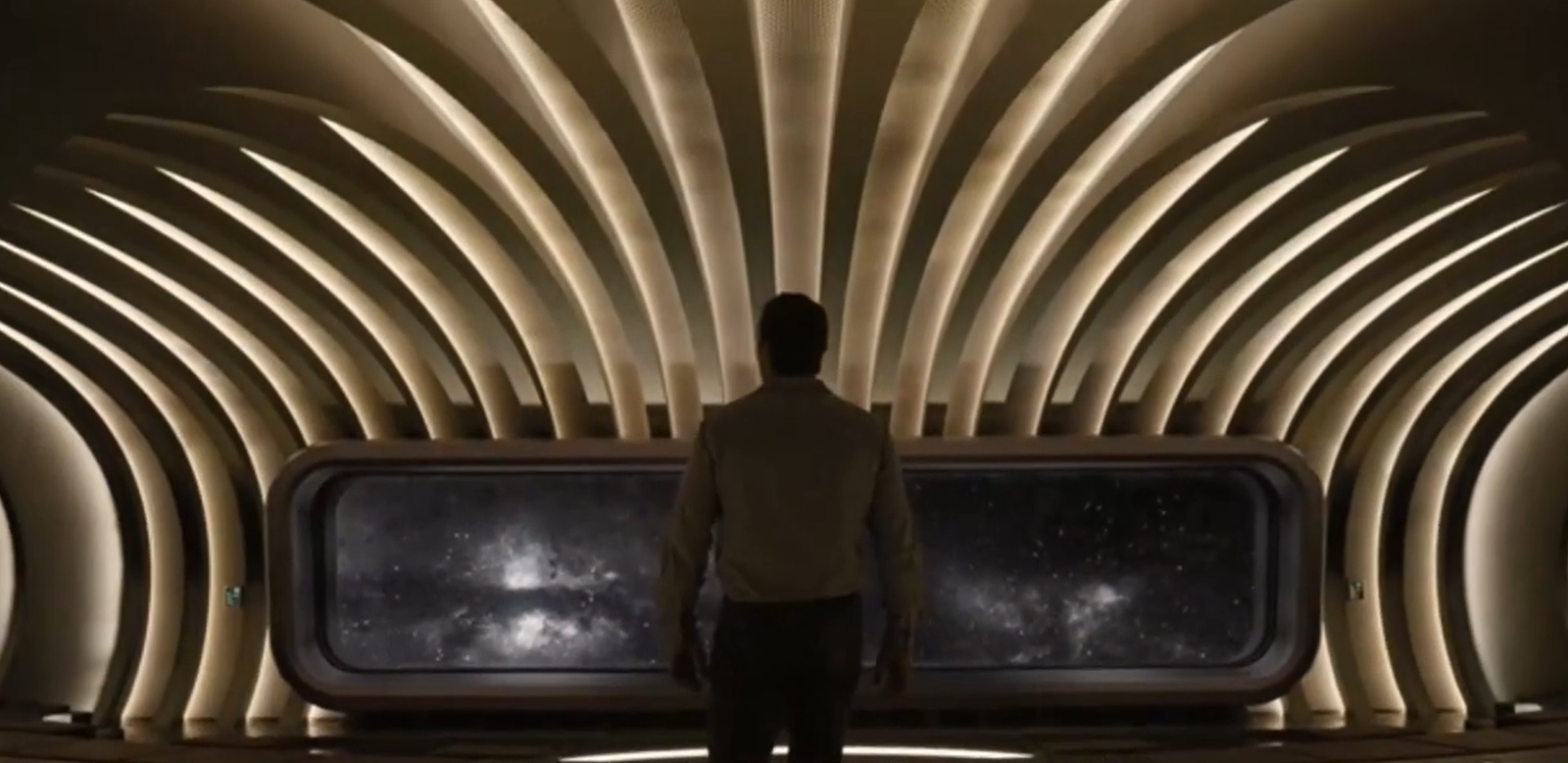
Passengers delves into space travel but oversimplifies the tech of sustaining a spaceship over sixty years. Systems that would sustain human life would have to be maintained continuously, redundant and need protection against failure and much more than it is casually painted.
The psychological impacts of long-term isolation have also been underestimated in the film. The human behavioral aspects in a restricted setting are a significant field of study and extended solitude may be untreated with severe implications that have not been well captured in and through film making.
About the Author