



Great directors don’t just produce hit movies; they redefine the cinema through their innovation, memorable stories, and their vision. Although they are no longer alive, their masterpieces still captivate viewers and filmmakers around the world and continue to influence filmmaking in Hollywood and beyond.
Alfred Hitchcock
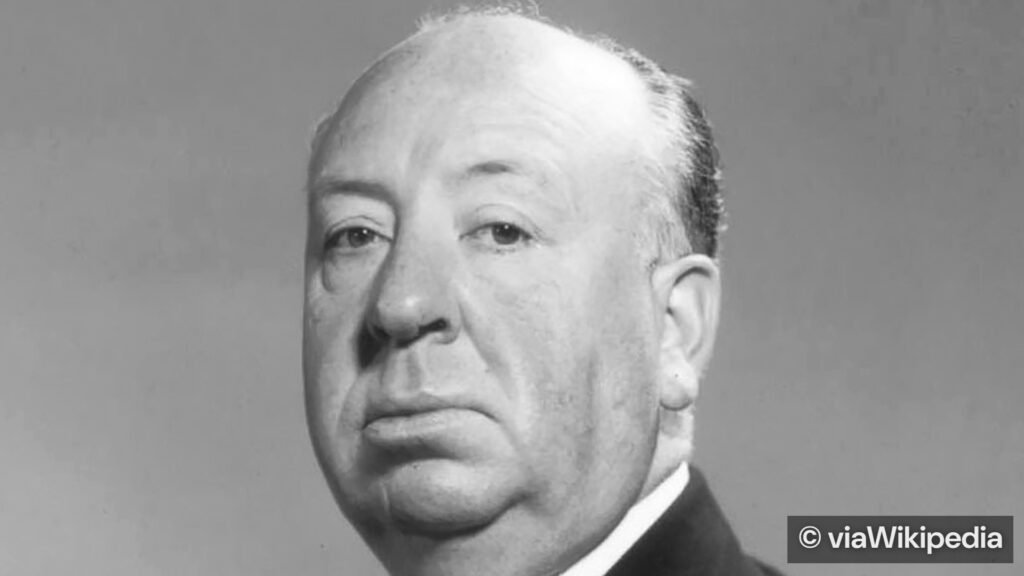
Hitchcock is widely regarded as the “Master of Suspense” and is the creator of such iconic movies as Psycho, Vertigo, Rear Window, and North by Northwest. His innovative camera techniques and psychological storytelling reshaped thrillers and will be called to by generations of filmmakers for his mastery of tension and cinematic style.
Akira Kurosawa
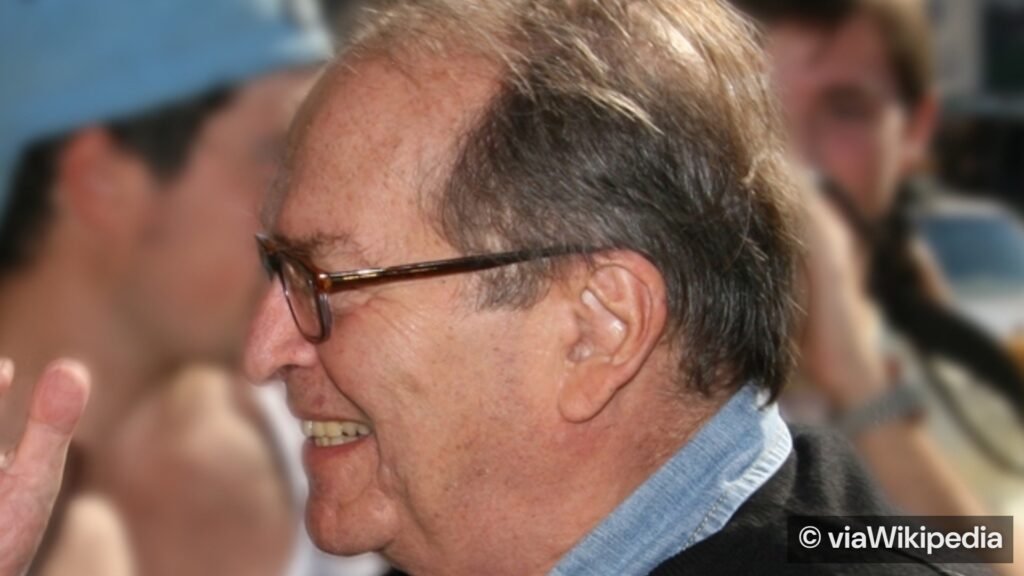
Kurosawa was one of Japan’s finest filmmakers, directing Seven Samurai, Rashomon, Ikiru, and Ran. His brilliant storytelling, visual composition, and human themes had an influence on directors around the world and helped bring Japanese cinema to the world with memorable historical and dramatic classics.
Stanley Kubrick
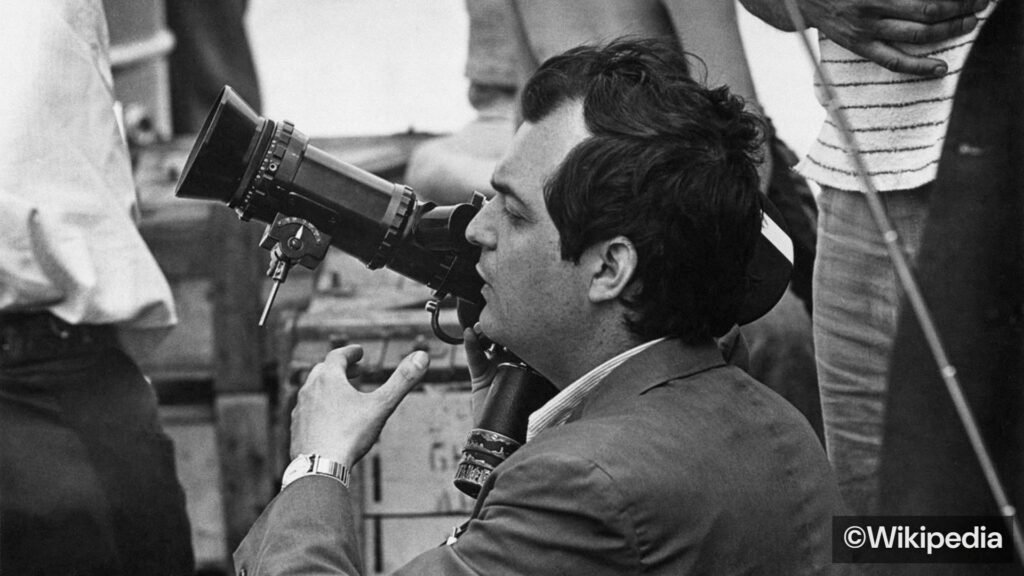
Stanley Kubrick made classics such as A Space Odyssey, The Shining, A Clockwork Orange, and Full Metal Jacket with his exact filmmaking. His originality, his bold ideas, and his meticulous attention to detail elevated him to become one of the most influential and admired directors in cinema.
Sergio Leone
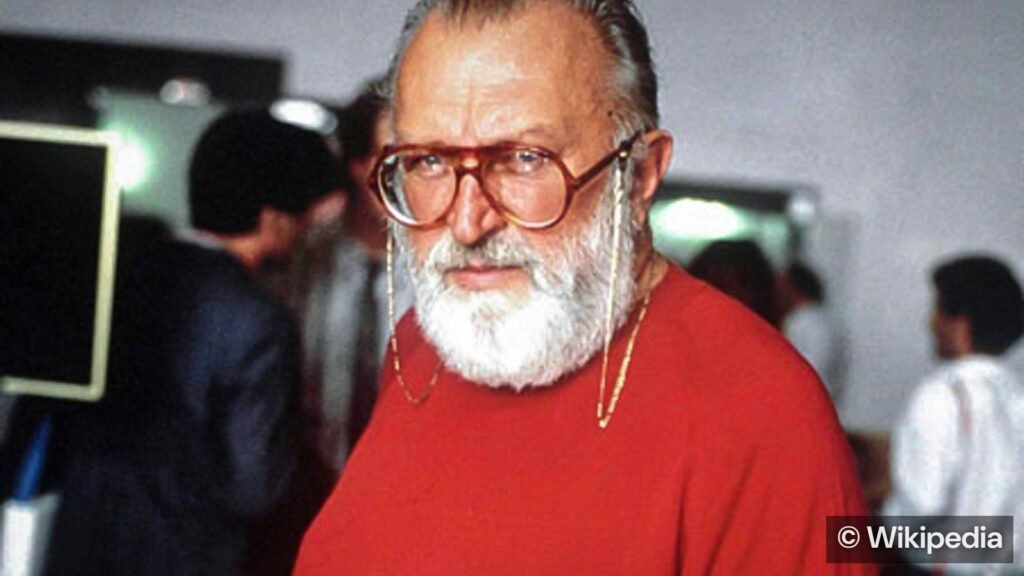
The “Dollars Trilogy” was a series of Western movies that Sergio Leone directed, particularly The Good, the Bad and the Ugly. He also helmed Once Upon a Time in America, which demonstrated his trademark lengthy narrative, character-driven performances, and iconic cinematography.
Ingmar Bergman
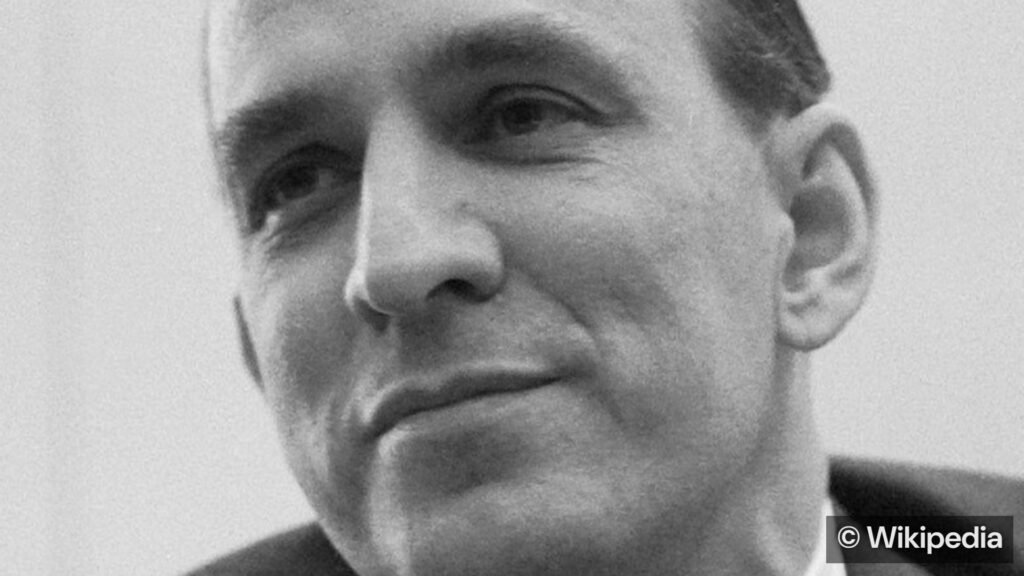
The Seventh Seal, Wild Strawberries, and Persona were all the works that Img. Bergman used to ask himself the great questions of faith, identity, and relationships. He was one of the most significant figures in world cinema and an inspiration to many filmmakers due to his psychological depth and artistic vision.
Federico Fellini
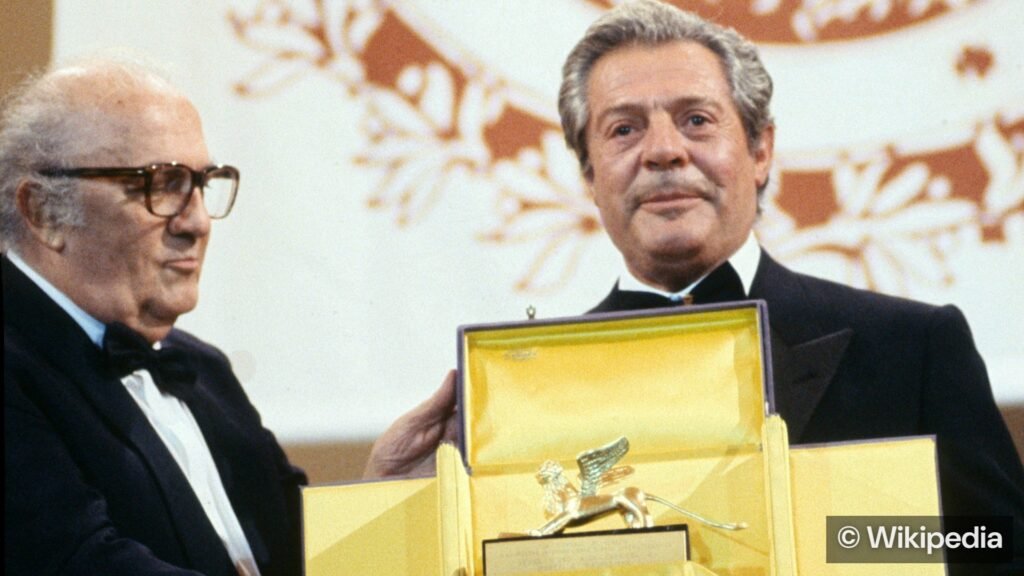
La Dolce Vita, 8½, and Amarcord were among the Academy Award-winning director Federico Fellini’s imaginative films. His surreal imagery, distinctive characters,s and personal narrative approach established him as one of the most iconic Italian filmmakers and a legacy in the history of filmmaking.
William Friedkin

William Friedkin was an American filmmaker who directed such notable films as The French Connection and The Exorcist. His realistically authentic approach and his vivid storytelling secured him critical acclaim and helped to define horror and crime filmmaking during the 1970s with brave decisions and indelible performances.
Richard Donner
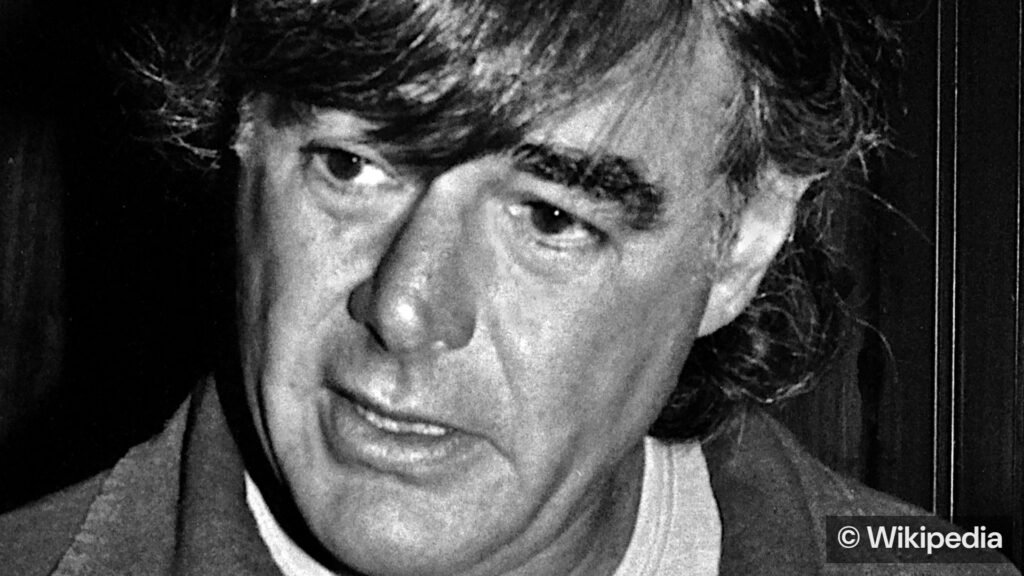
Richard Donner is a film director who worked on Lethal Weapon, The Omen, and Superman in the creation of modern blockbusters. He was a very unique actor who was able to weave emotion, action, and humor into an entertaining movie that found audiences around the world and that shaped future mainstream Hollywood filmmaking.
Ivan Reitman

Ivan Reitman brought fun and high-budget movies to the forefront of his career in movies such as Ghostbusters, Twins, and Kindergarten Cop. His easy writing style and inventive style enabled him to produce some of the most iconic comedy blockbusters of the 80s and 90s.
David Lynch
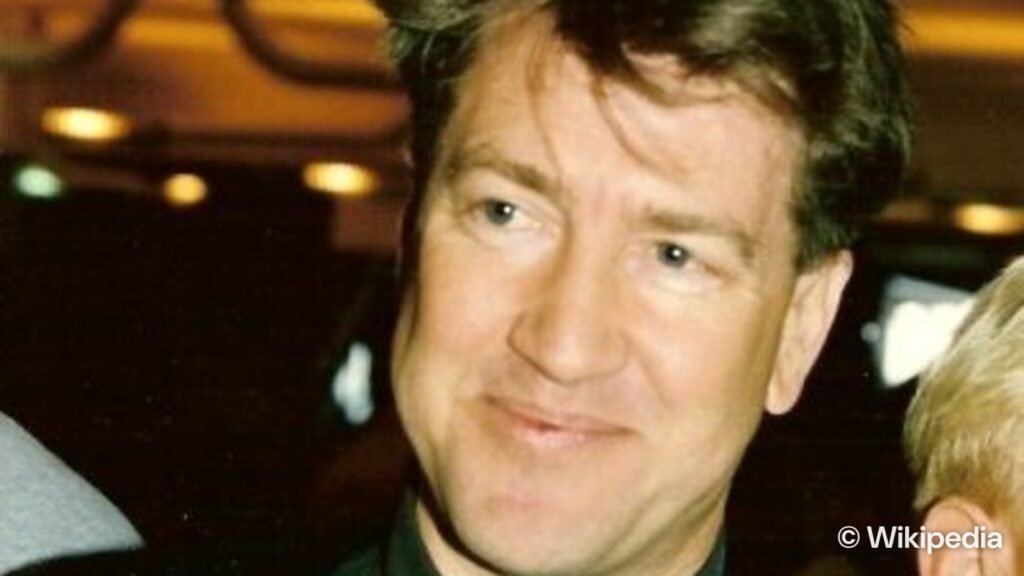
David Lynch’s style was unique, with his work often combining mystery, surrealism, and psychological drama, such as Blue Velvet, Mulholland Drive, and Twin Peaks. His unique storytelling approach challenged conventions and left a lasting impact on modern cinema and television.
About the Author