



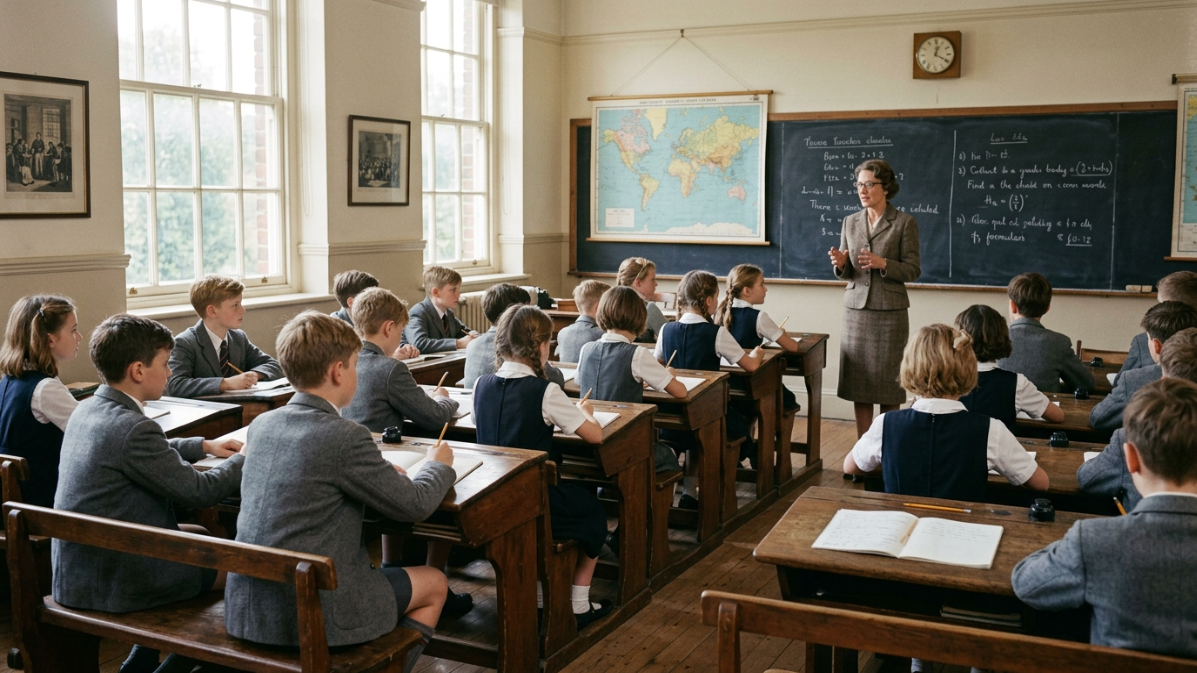
School days in the middle part of the twentieth century were filled with rhythm and simplicity that created the perspective of a generation of people towards learning and life. To those who have experienced that time in life, classrooms were not just a location of learning, but also a place of correction, imagination, and socialization, full of rituals and experiences that seem notably different to the current digital era.
Chalkboard Lessons
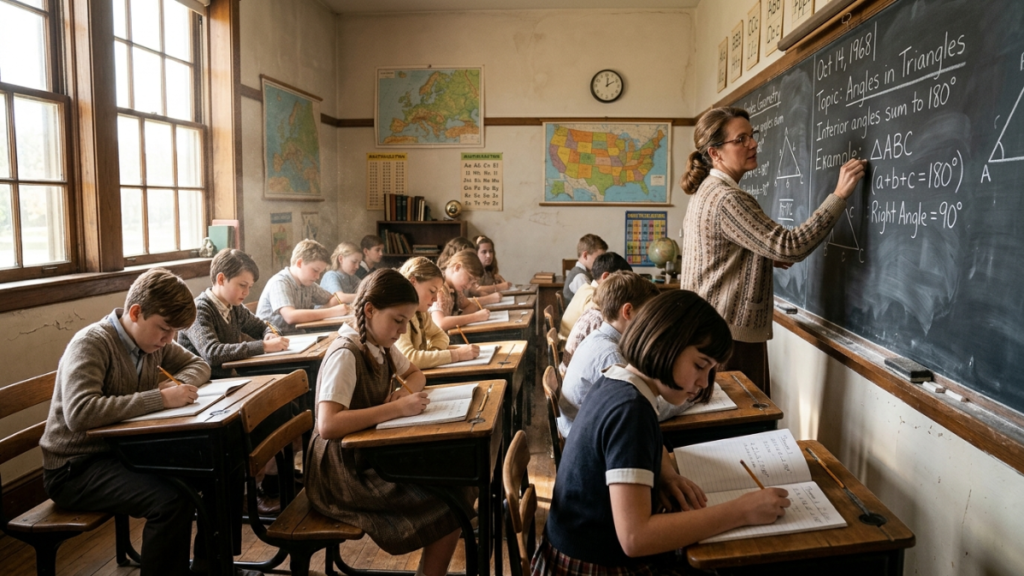
The chalk board was placed at the center of each classroom and the teachers were busy writing down notes and students were attentive and patient to copy down the notes. The slight dustiness of the air and the sound of chalk made the experience of senses, which became inseparable with the learning process per se.
Handwritten Homework
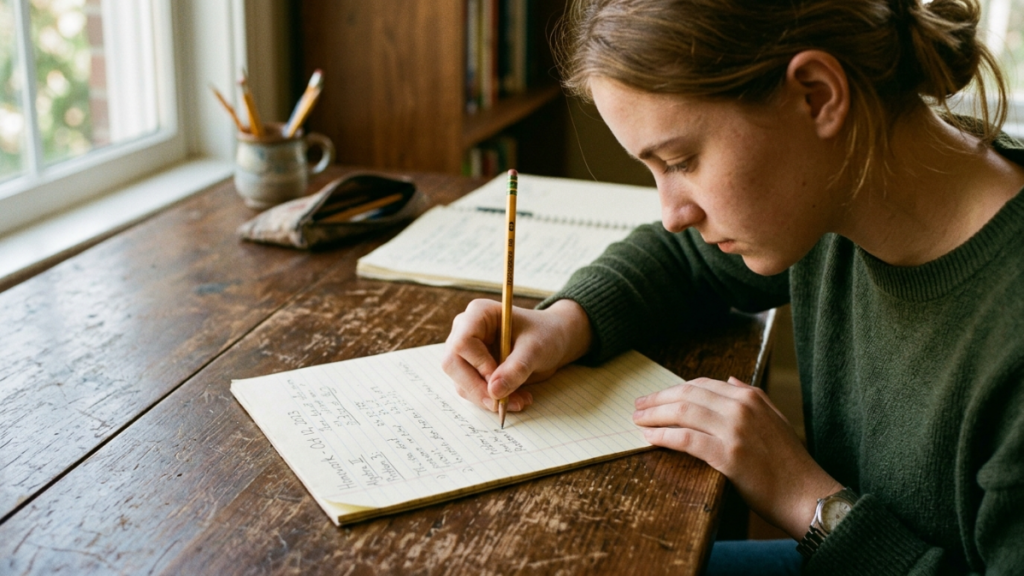
The work was done by pen or pencil, and it was necessary to use good hand writing, and work not in a hurry. It was a slower process that facilitated focus and pride in the presentation so that every completed page was a mini personal milestone.
Morning Assemblies
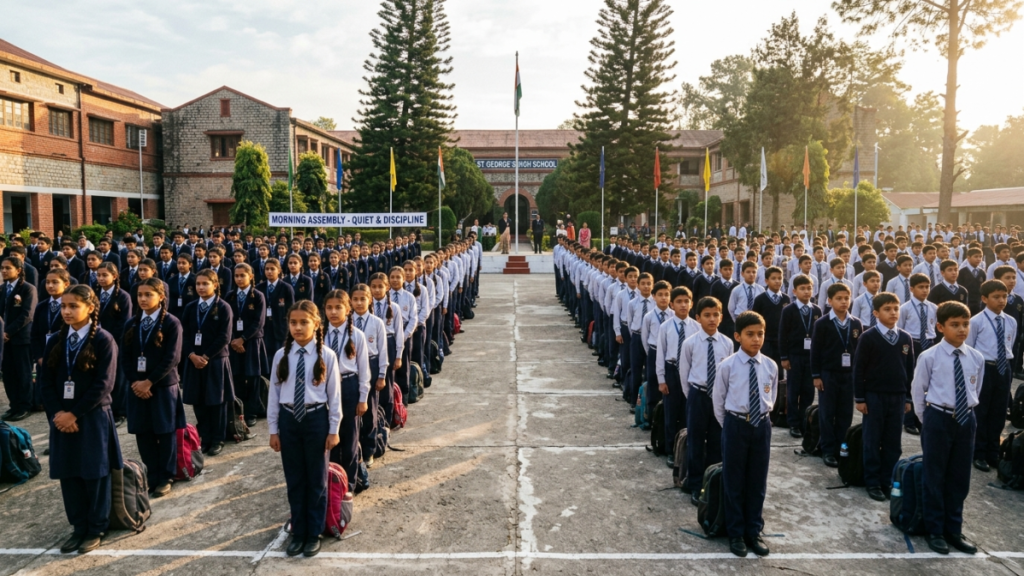
School day used to start with a formal assembly where the students were standing in a perfect line to listen to the announcements, songs, or reflections. Through these gatherings, a unity of belonging was created and discipline was strengthened by organized routines.
Strict Discipline
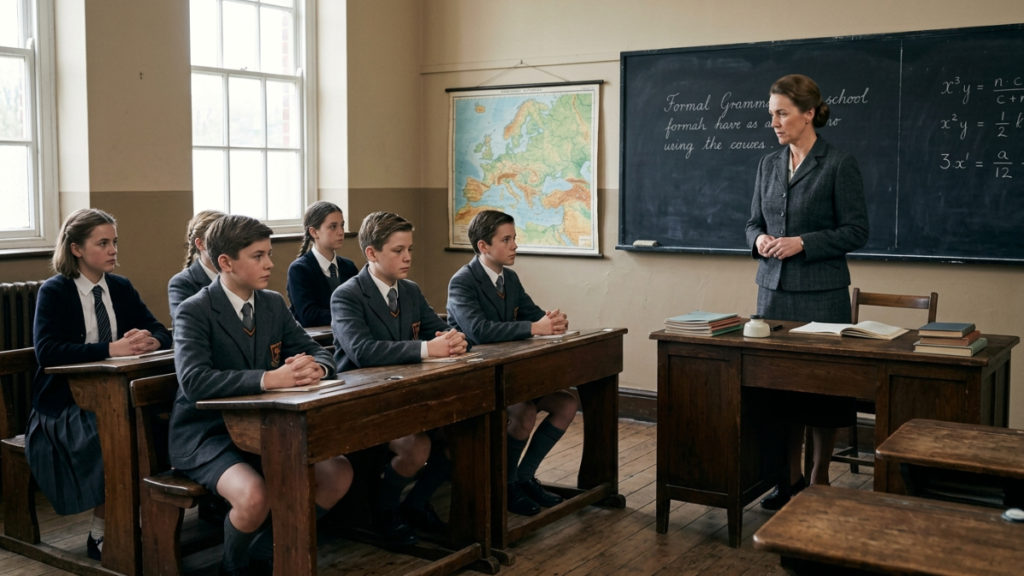
There were strict rules which dominated in the classroom and respect towards the teachers was very much established in the day to day actions. This atmosphere resulted in a strong sense of order, and the expectations were understood and were not often discussed.
Paper Report Cards
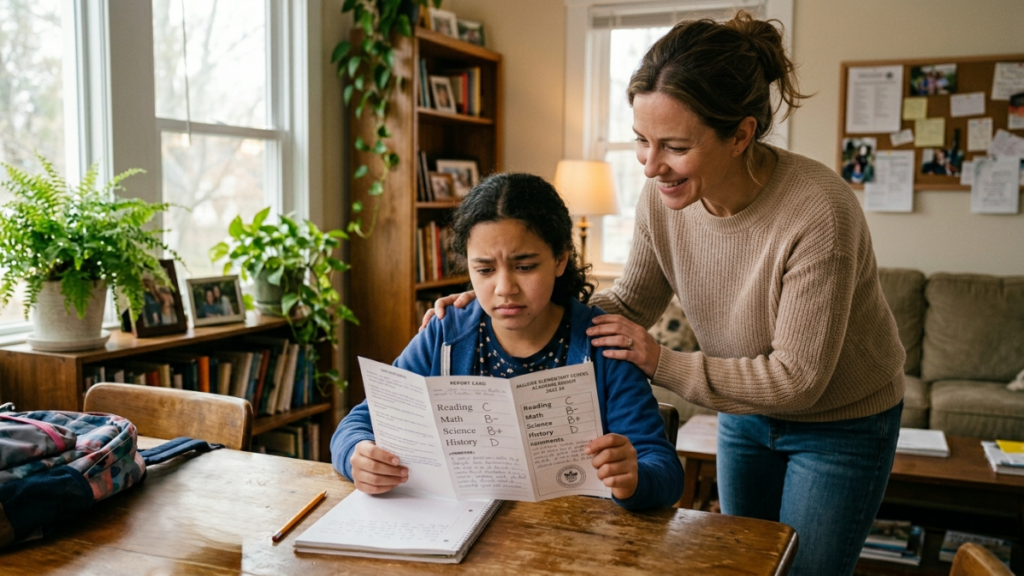
Students used to take home a copy of the paper report cards where the academic progress was recorded and in most cases, with a combination of both anticipation and nervousness. These were important documents because they were months of work compressed into some handwritten statements.
Library Quiet
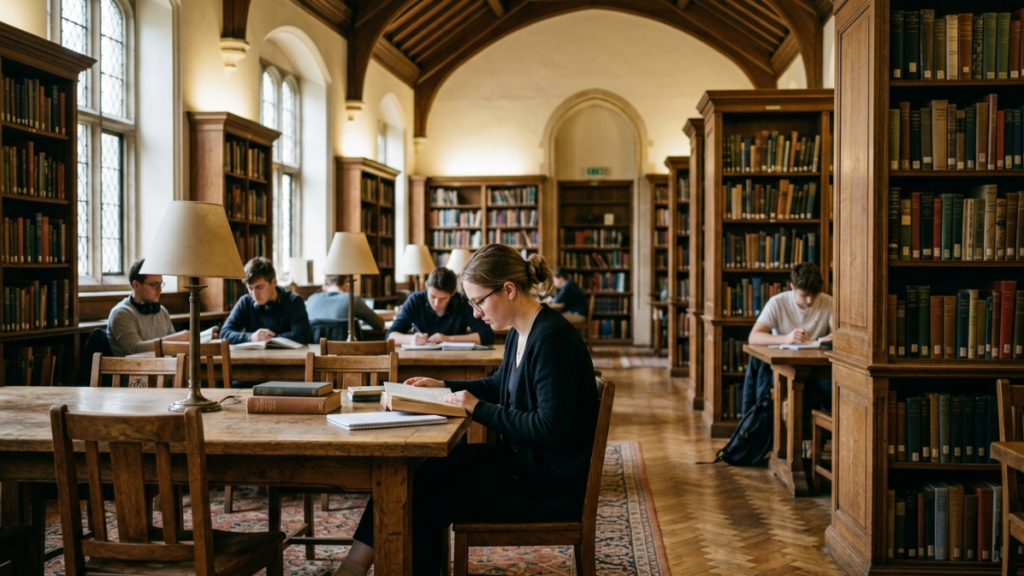
School libraries were quiet and peaceful venues where students read books without any distractions. Borrowing and choosing a book was intentional and inspired curiosity and self-study.
Recess Games
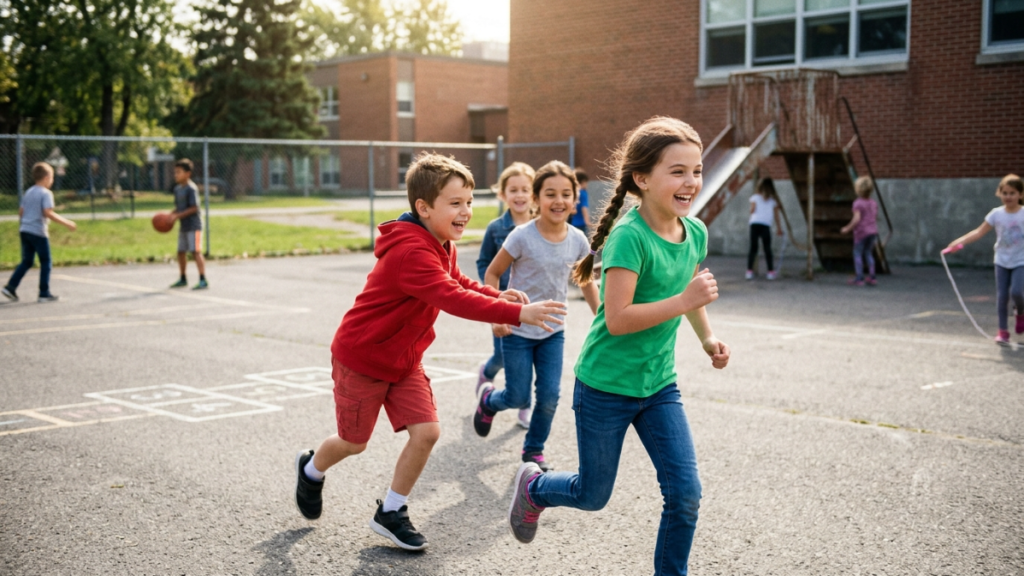
During recess, outdoor play was associated with games which were simple and did not require equipment or screens but imagination and teamwork. These activities offered natural balance to classroom learning and helped in enhancing friendship.
Cafeteria Lines
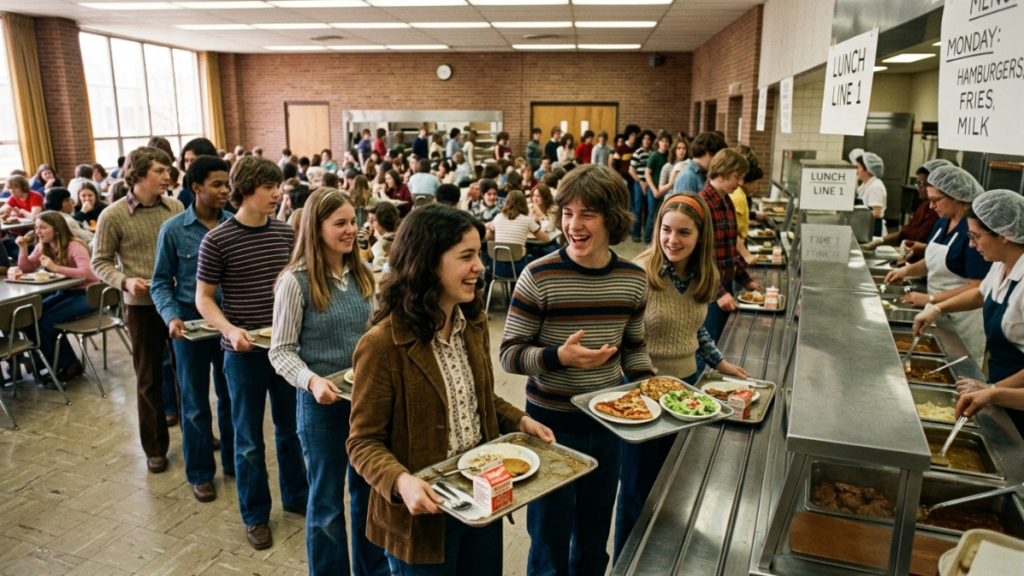
Lunch times were characterized by long queues and having lunch made in a very regular and attentive manner. Sharing food and chatting was part of the school day and it made it feel warmer.
Textbook Sharing
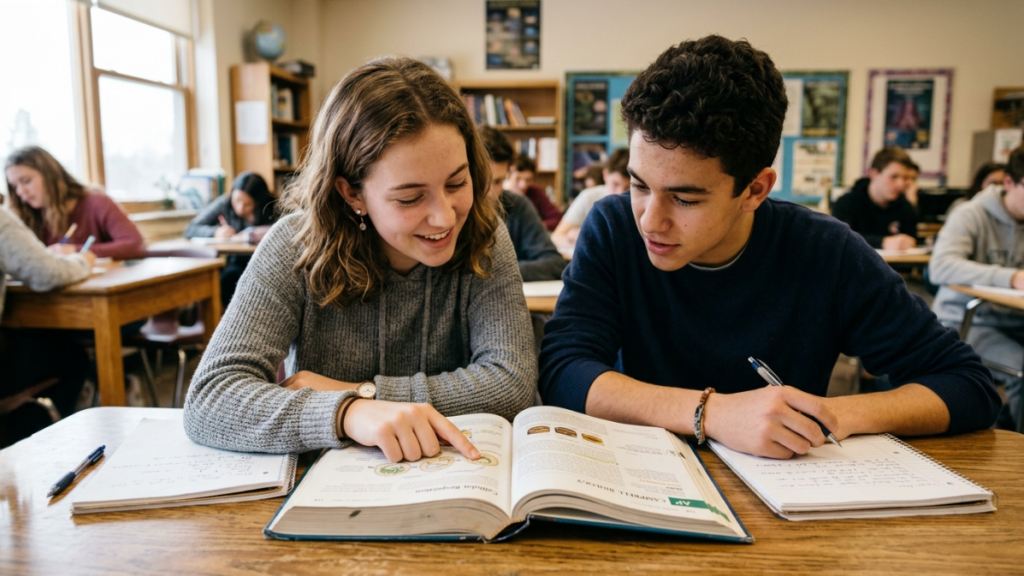
Textbooks were frequently shared among students, and they learned to work together and in turns in classrooms. This was a way of being patient and bringing about the concept that resources were precious and should not be wasted.
Film Projectors
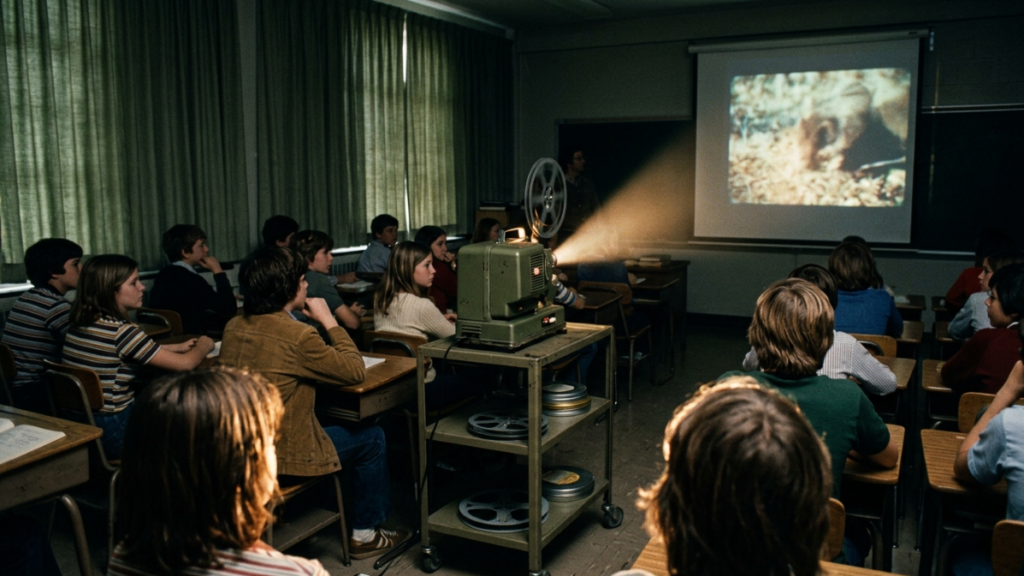
Projectors were used to show educational films making lessons come to life in a manner that was exciting and special. The low lights and machine made the learning experience memorable due to the feeling of anticipation it provided.
Typewriter Practice
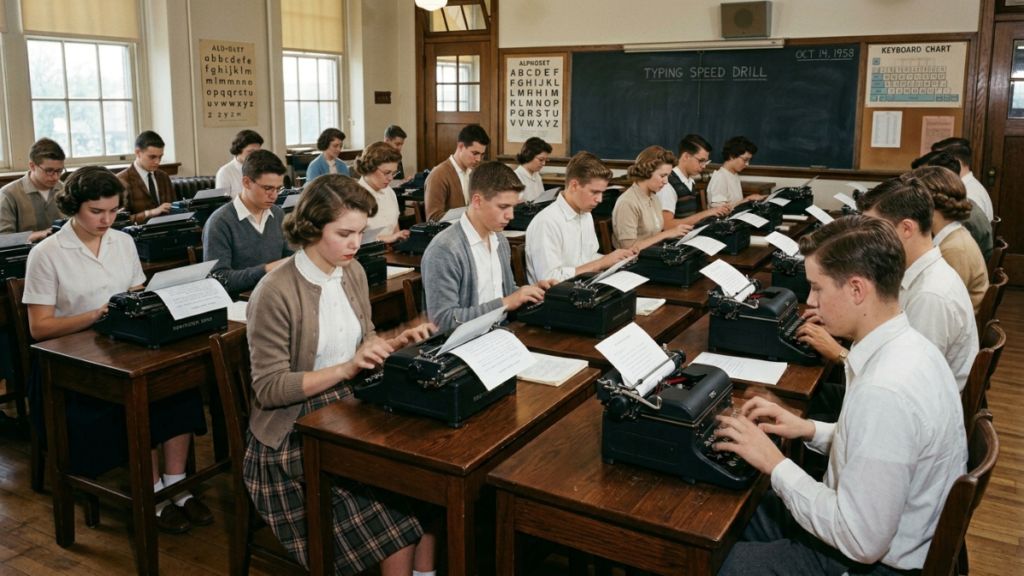
Typing classes exposed students to typewriters and accuracy and rhythm was learnt through repeated practice. Keys hitting paper had become a usual tune of training the future skills.
School Meeting
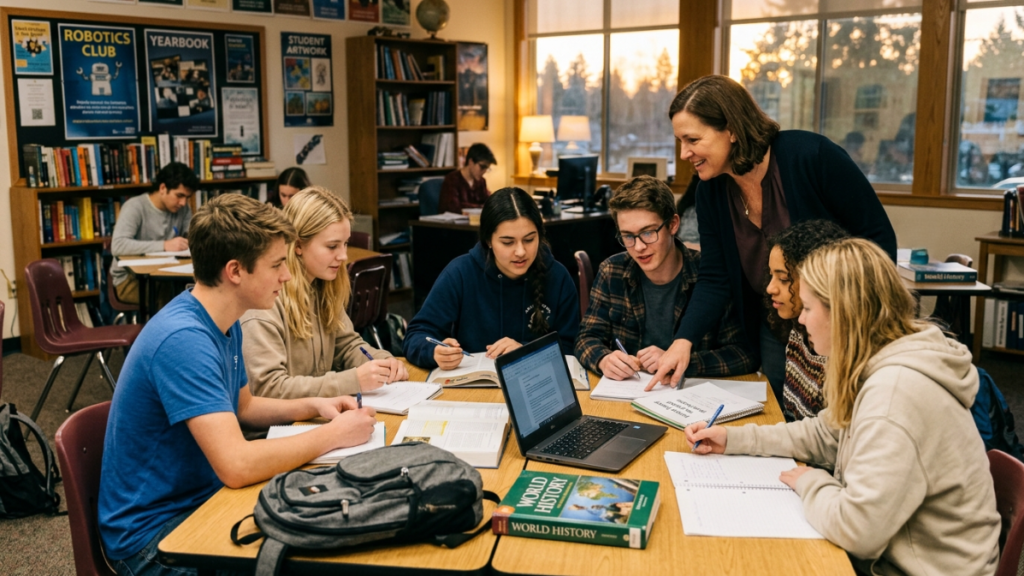
After School Clubs are brief meetings offered by the program to assist students in completing their homework following school hours.After School Clubs After School Clubs are short conferences that the program provides to help the students with their homework after school.
After school activities and clubs allowed exploration of interests and development of confidence. Competition was not always the reason to participate but community spirit and curiosity.
School Uniforms
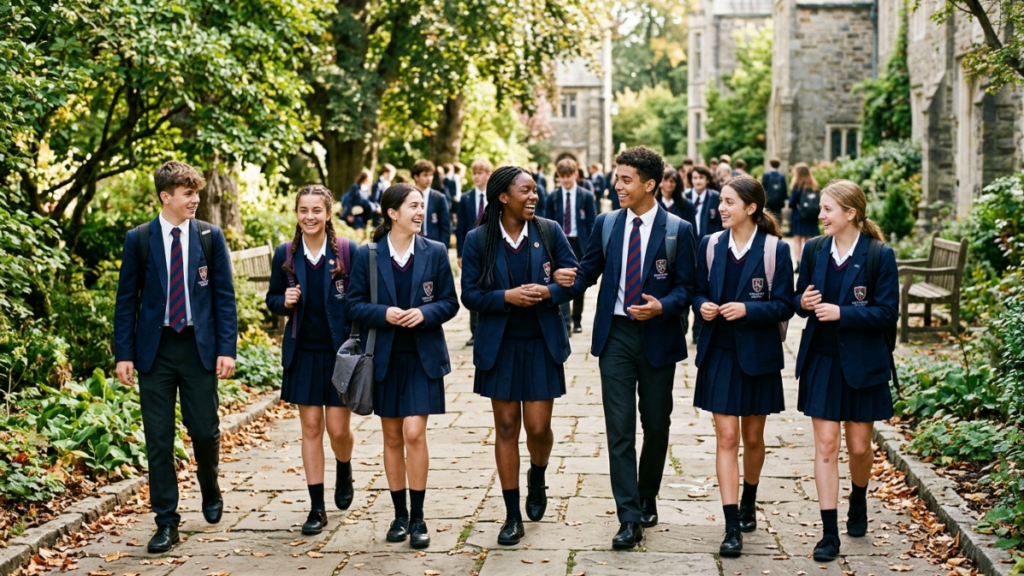
Most schools had to wear uniforms and this brought about equality and identity among students. Wearing the same clothes minimized the distractions and highlighted the need to have a common purpose.
Teacher Authority
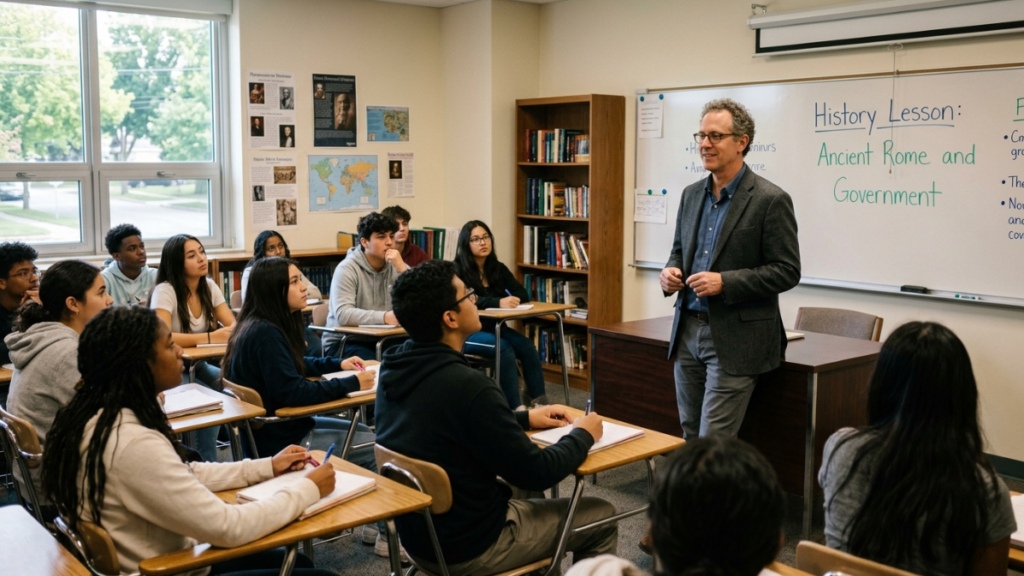
The teachers were considered to be people of authority whose advice went further than academics to character building. The impressions that they had were so memorable that many took them into adulthood.
Yearbook Memories
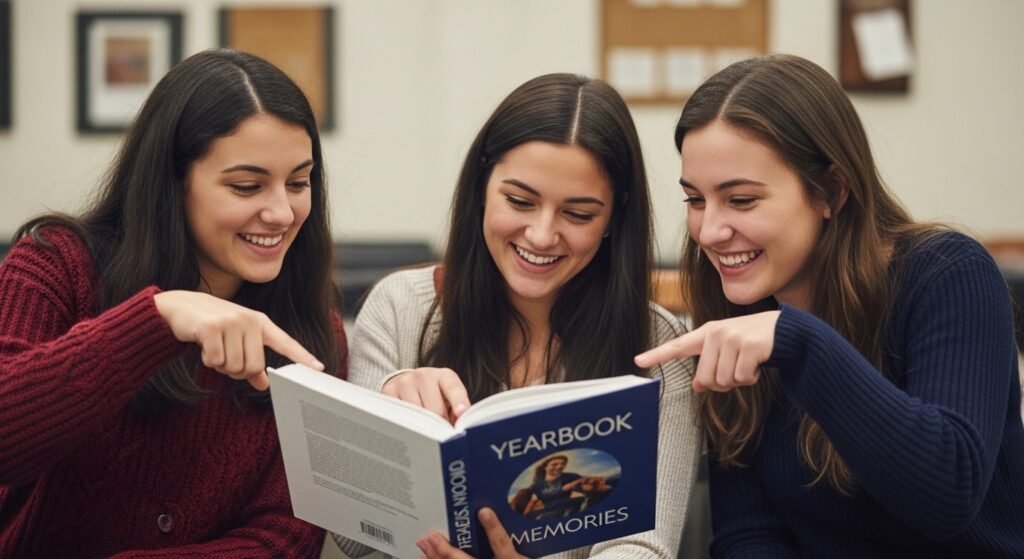
Yearbooks were used to record the school year events in terms of photographs and handwritten words. These souvenirs became the cherished remembrances of friends, milestones and a period when life seemed to be ordered and yet still full of promise.
About the Author