




Besides being hygienic, the skin of the heels should be healthy and smooth; as well as being a good indicator of good skin care and the well-being of the feet in general. Daily stress, exposure to the environment, and lack of proper care also lead to many women being dry and cracking. The softness can be recovered and no harm can be done with the help of proper habits and very careful treatment. When one learns how to take good care of heel skin, then a significant difference in comfort and confidence can be noticed.
Daily Cleansing
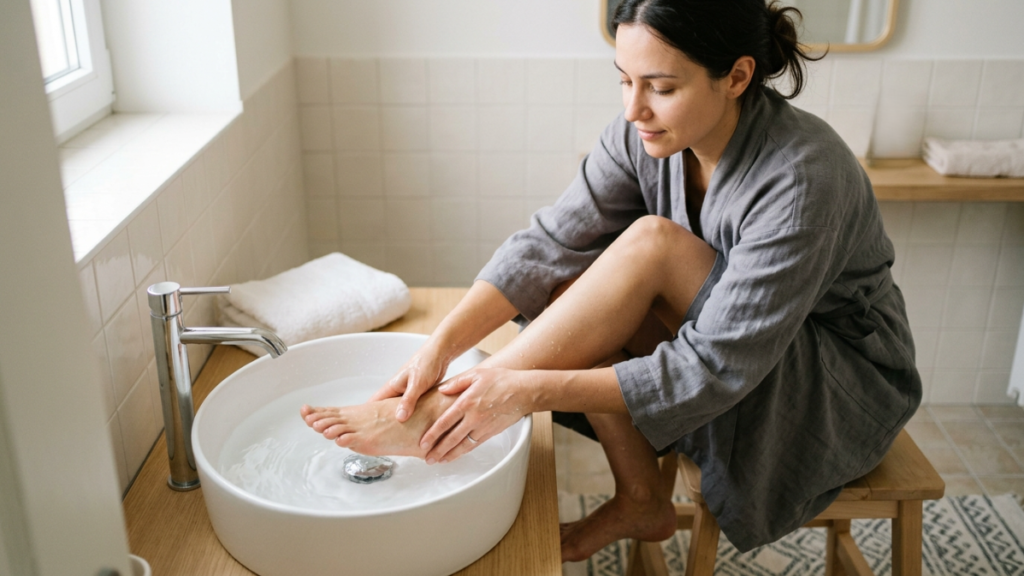
Washing feet eliminates dirt, sweat, and bacteria that may cause dryness and irritation in the long run. Use of a mild cleanser and lukewarm water will ensure natural oils are not removed but healthy hygiene is maintained.
Gentle Exfoliation

The frequent shedding allows the dead skin cells to be shed and form a rough texture of the heels. A pumice stone or a soft foot file one or two times a week promotes the use of smoother skin without harm.
Deep Moisture
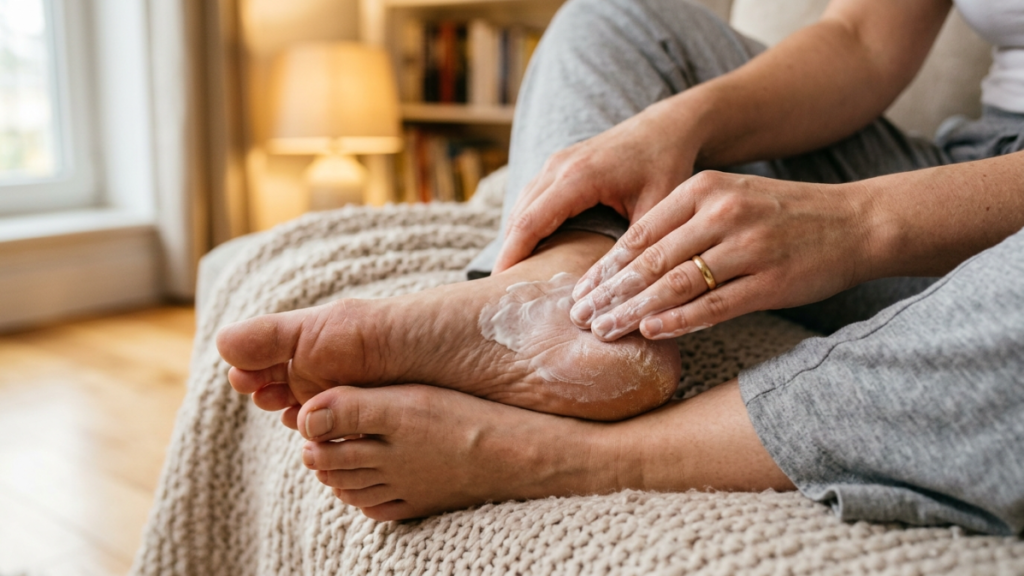
Daily use of a rich moisturizer is important to keep the heels soft and improved as well as hydrated particularly after bathing as the skin takes in the products better during that time. Shea butter and glycerin are ingredients that assist in trapping moisture and enhancing skin elasticity.
Night Care

Intensive repair should take place at night when the skin produces a natural healing effect when one is asleep. The use of a heavy coat of foot cream and the use of cotton socks can be applied to improve the absorption and give the results in the morning.
Hydration Habits

Consumption of sufficient amounts of water is relevant in ensuring the health of the skin, including your foot skin. Elasticity is maintained by proper hydration and excessive dryness and cracking are prevented.
Proper Footwear

Shoes with sufficient support and in good shape decrease the pressure on the heels and inhibit the occurrence of callus. Ill-fitting or open-backed shoes may add friction and result in rough and hardened skin.
Avoid Harsh Products
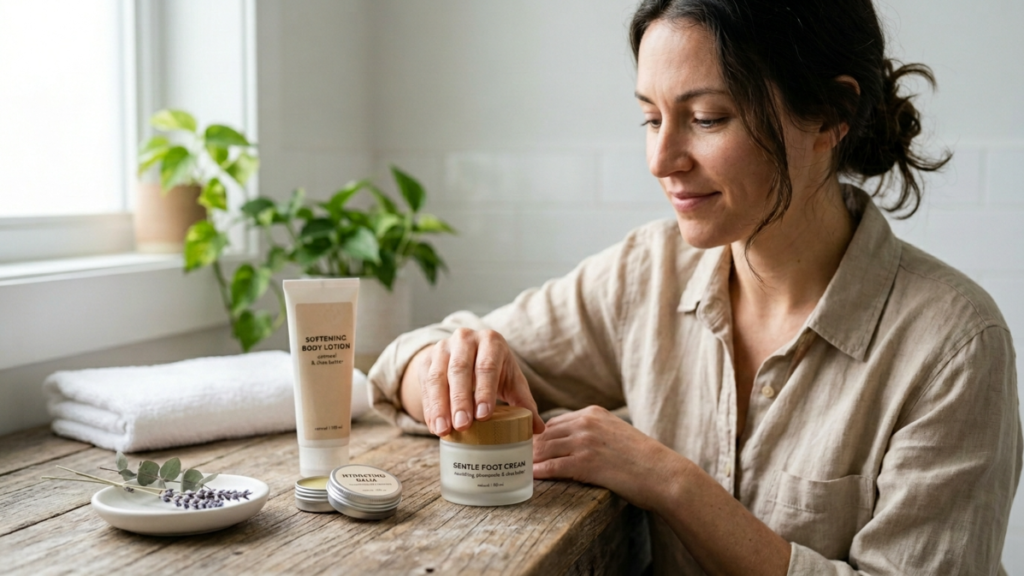
Excessive application of the very strong chemical treatments may deprive the skin of its natural protection and increase the dryness. The balance can be ensured by choosing soft, dermatologically tested products to protect delicate areas.
Regular Inspection
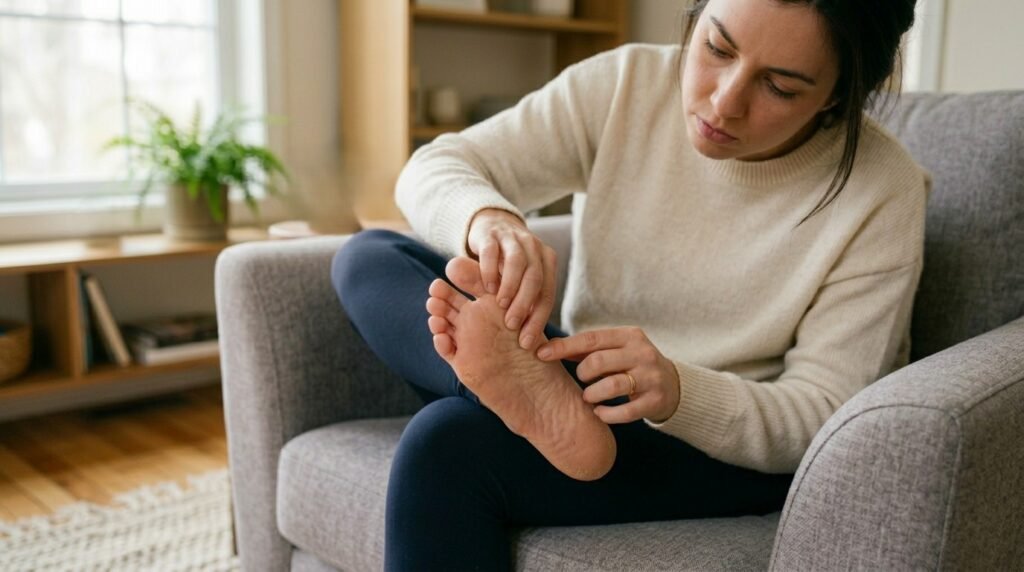
Regular foot inspections will enable you to be aware of the initial changes related to dryness, cracks, or irritation before they become serious. Timely care facilitates the treatment and prevents pain or infection.
Seasonal Care

Weather alterations may have serious impacts on your heels, and colder seasons may make your heels drier. Keeping heels soft all the year round may be achieved by modifying your skincare regimen to use rich creams in dry seasons.
Professional Help
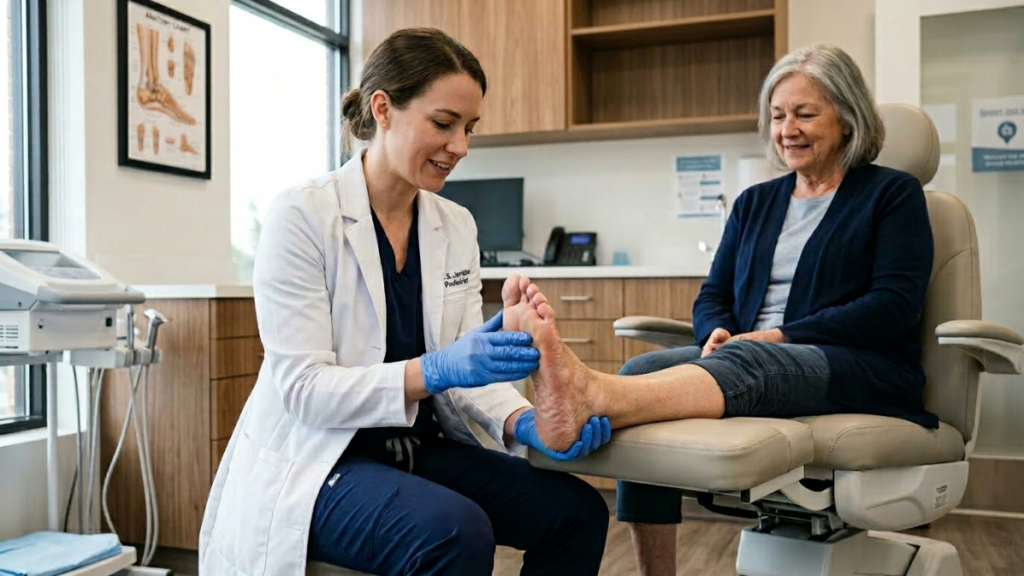
When severe dryness or cracking, then it is prudent to refer to a podiatrist or skincare expert when home care fails. Professional attention will be able to offer specific medical care and advice based on your unique skin requirements.
About the Author