




Love and emotional support influence people in the way they perceive the world and react to others. When a person is raised or lives long without true care, the implications usually reflect in his/her manner in subtle yet easily noticeable modes. They might not even be in a position to receive kindness even when it is extended to them. Such responses are never intentional and tend to be indicative of underlying emotional trends that are the result of painful experiences.
Constant Doubt

Even when a person is nice to them, an individual who has not been loved will silently doubt whether that person was genuine. They may have been taught by their experiences in the past that warmth is a fake or unreliable thing and therefore they tend to be reluctant to believe that good intentions can be true.
Due to this inner uncertainty, they may look wary or closed off at first. It is not the denial of kindness but the safety measure which they have developed due to the repetitive guarding of their feelings.
Defensive Reactions

Individuals who have been emotionally neglected at some point in life tend to be defensive in circumstances where the other individuals may consider it harmless. Even minor misunderstandings or mere remarks can be threatening since they have been accustomed to be criticised or disappointed.
When the situation does not warrant it, they tend to react very fast and emotionally. This is normally a form of defending themselves against what they perceive may end up being emotional damage.
Struggling Trust

It may be challenging to someone who has hardly experienced a sense of security in relationships. They might be inclined to restrain themselves instead of opening up immediately even when they meet kind and supportive people.
They may require a longer time than others to express ideas, emotions, or autobiography. Gradually, this can be regained through patience and persistence of others so that they can gradually restore trust.
Self Doubt

Absence of love may silently define the way an individual perceives his worthiness. They might wonder why they are worthy of kindness or a positive attitude even when the other people treat them respectfully and care about them.
This self-doubt may cause them to downplay their strengths or feel awkward getting blessed. Their indecision is usually years of being neglected or not valued.
Emotional Distance
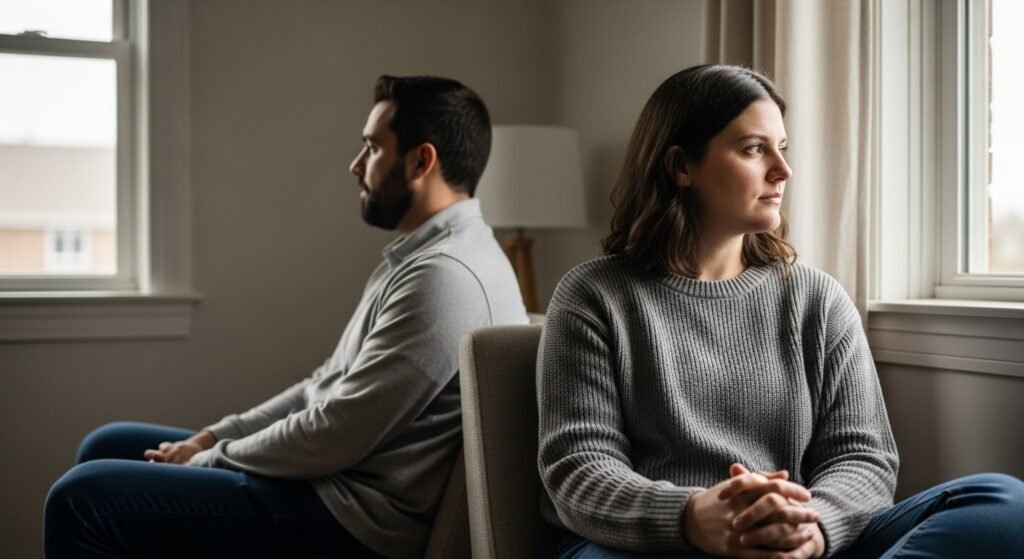
A person who has lacked emotional support might unwillingly maintain a certain distancing relationship with others. They may withhold a part of them even when they are in the company of somebody.
This is a distance used in most cases in order to be in control of their feelings. This way they do not get emotionally close and they feel that they can escape disappointment or emotional pain.
Overthinking Kindness

They can devote much time to the analysis of the kindness when it appears in their life. They may not just accept it, they may look further to see the hidden implications or they may wonder why someone would do them well.
Such an overthinking habit can add complexity to simple interactions. It usually has a long history of attempts to figure out the confusing or inconsistent behavior of other people.
Fearful Withdrawal

Sometimes those who have been deprived of love can withdraw themselves out of situations that seem to overwhelm them. Even the good attention may be foreign or strong and they may withdraw temporarily.
This withdrawal is hardly intended to drive other people away forever. It is typically an inarticulate effort to work through feelings and find some sense of equilibrium.
About the Author