


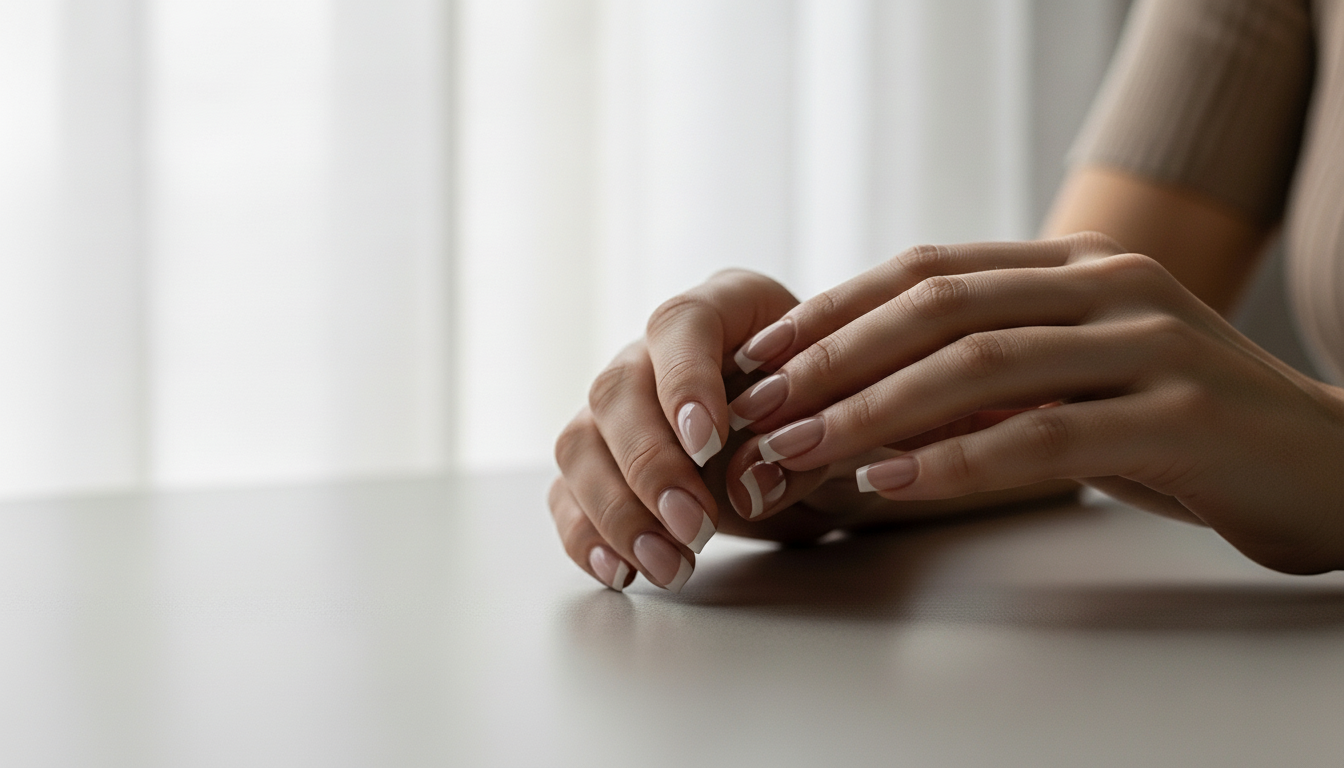
The use of acrylic nails may appear to be pretty and clean, however, when they are not removed properly, the natural nails are left vulnerable, thin and damaged. Most individuals have the temptation of pulling them off but this would be against the recommendation of the professionals since they have the ability to strip away the layers on the natural nail. Using the proper method and time and with just a few easy tools, the removal of acrylic nails can be done safely at home without damaging the natural nail or leaving it craggy.
Preparation First
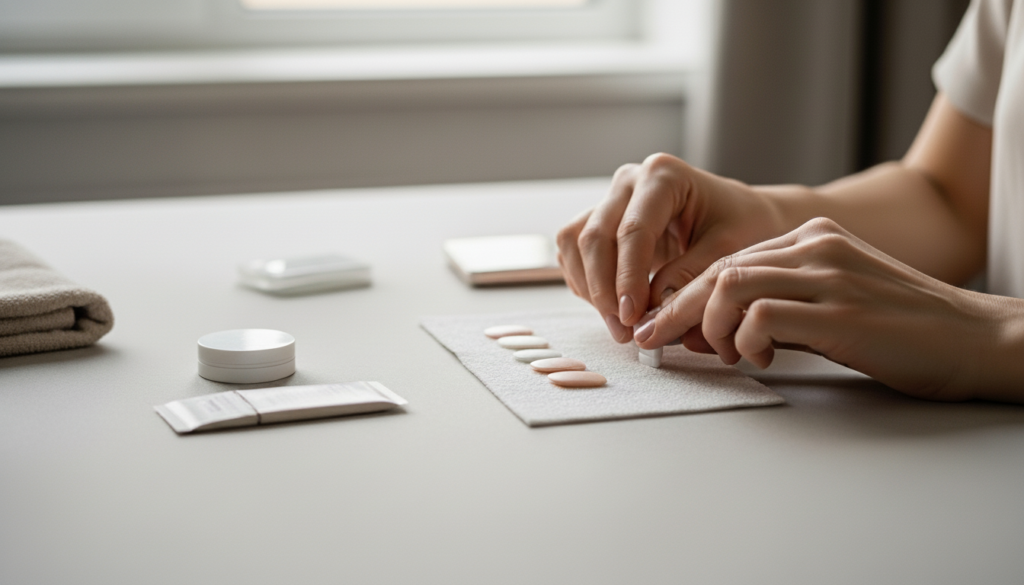
The supplies needed like nail clippers, nail file, cotton, aluminum foil, acetone and a cuticle pusher should be collected ahead of time before one begins the actual removal process. It is more convenient to get everything ready beforehand and avoid being in a hurry, this will help avoid damaging the natural nail unnecessarily.
Trim Length
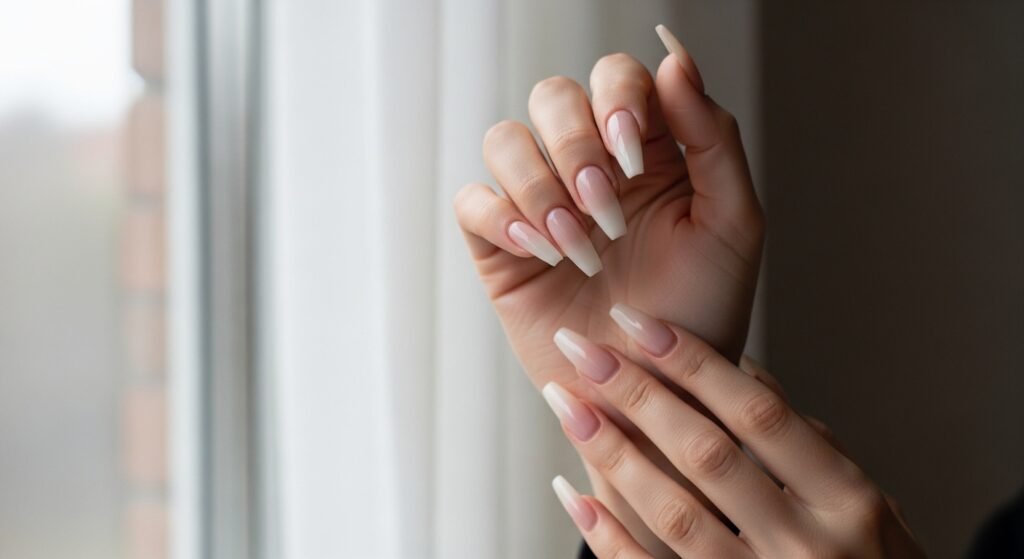
The initial practical measure is the shortening of the acrylic nails by trimming them down. The reduction of the extensions makes the process of soaking much quicker and less pressure is exerted in the process of removing the natural nail.
File Surface
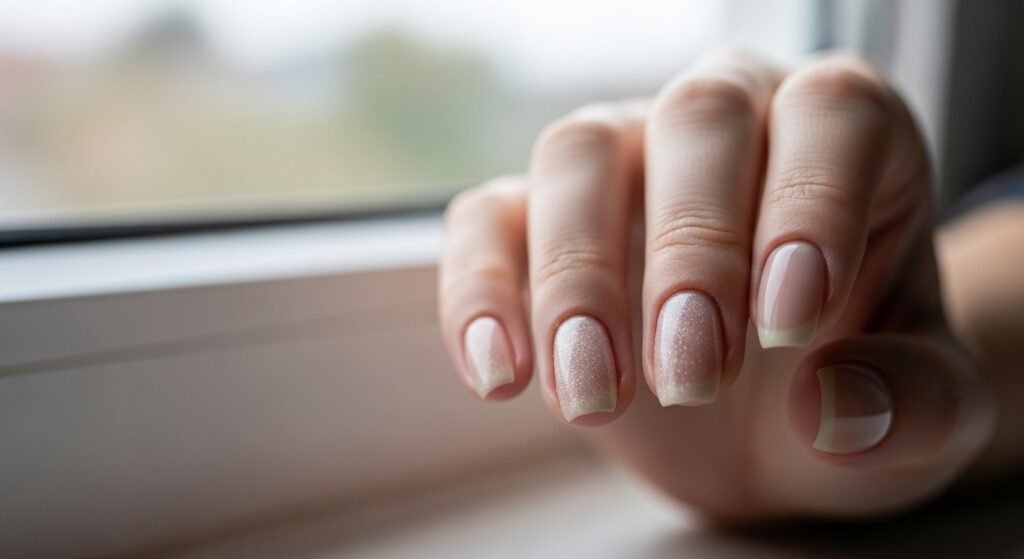
Then using rough nail file, deepen the smooth surface of the acrylic gently. Breaking this protective seal will enable the acetone to enter the acrylic more readily, thus the material will soften and disintegrate at a much quicker rate.
Acetone Soak
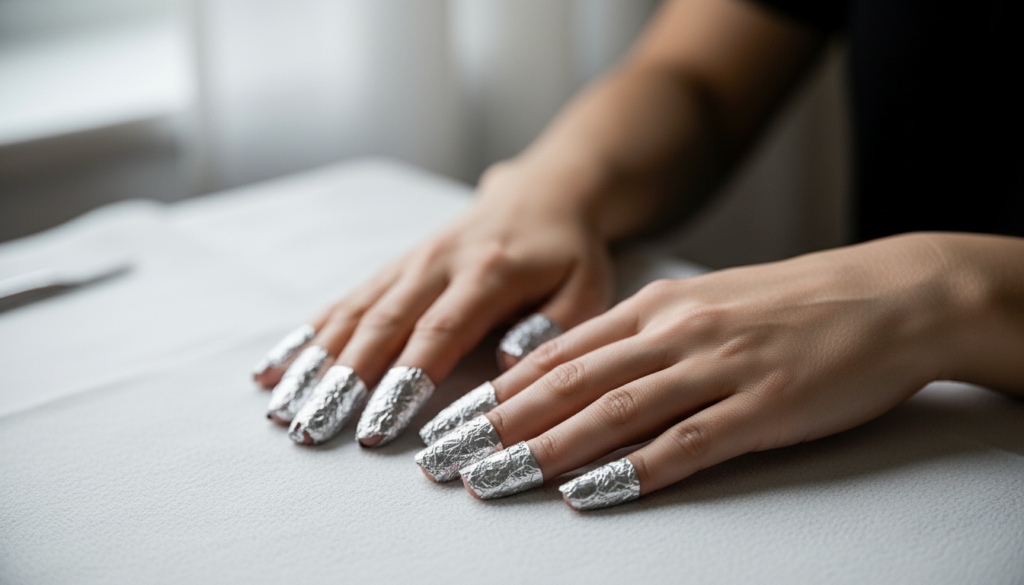
The cotton balls are to be moistened with pure acetone and put on the nail itself. A layer of aluminum foil in small bits wraps the fingers to keep the cotton in position and traps heat which assists the acetone to dissolve the acrylic more effectively.
Patient Waiting
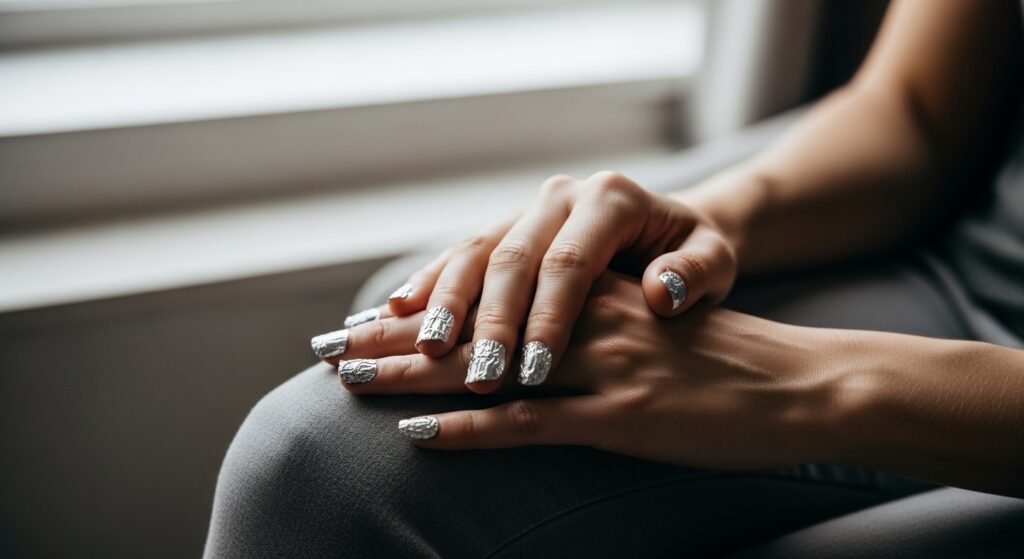
After that, leave the nails to soak approximately twenty to thirty minutes in order to get the acrylic to loosen. Hurrying in this stage usually results to one peeling off or forcing the acrylic off and this may result to severe damage to the natural nail below the acrylic.
Gentle Removal
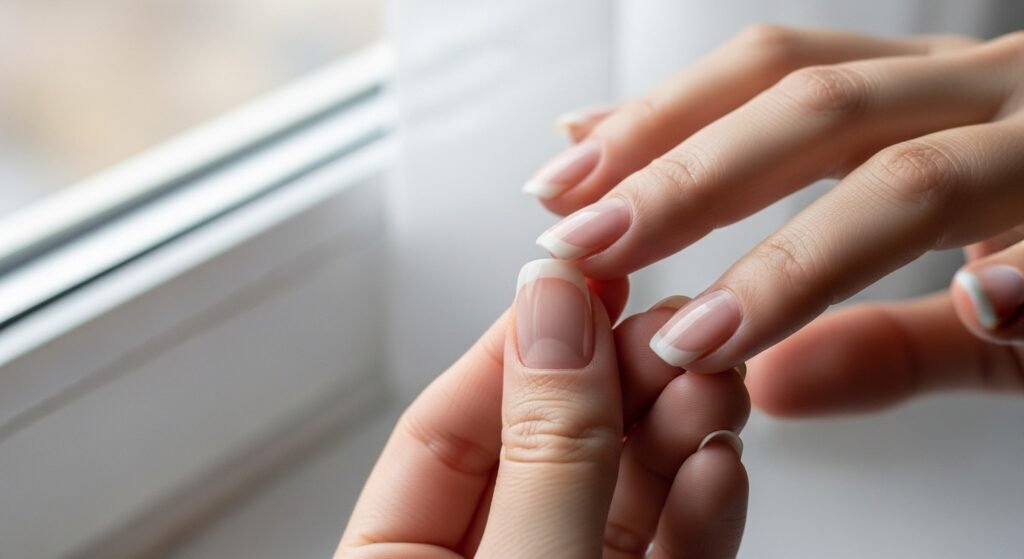
After the acrylic starts to soften a cuticle pusher or a wooden stick can be rolled over the nail to slide the material off the nail. Should any part be recalcitrant, the nail may be rewrapped and allowed to make its way in some longer period than an attempt to peel it off.
Buff Smooth
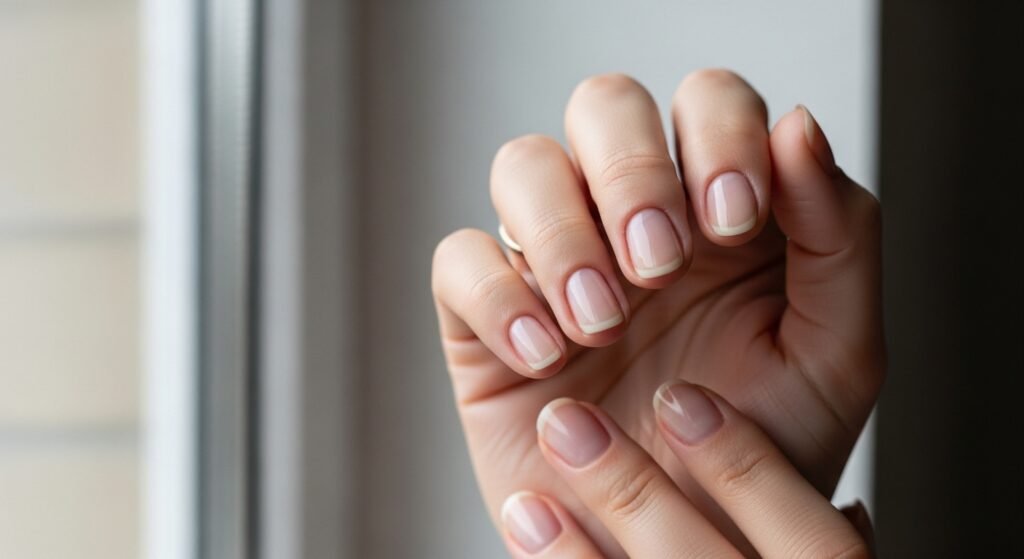
Once the acrylic is removed make sure that you gently buff the nail surface to remove any residue. This action helps to bring a less greasy and more smooth look as well as prepares the nail to further-care.
Hydration Step
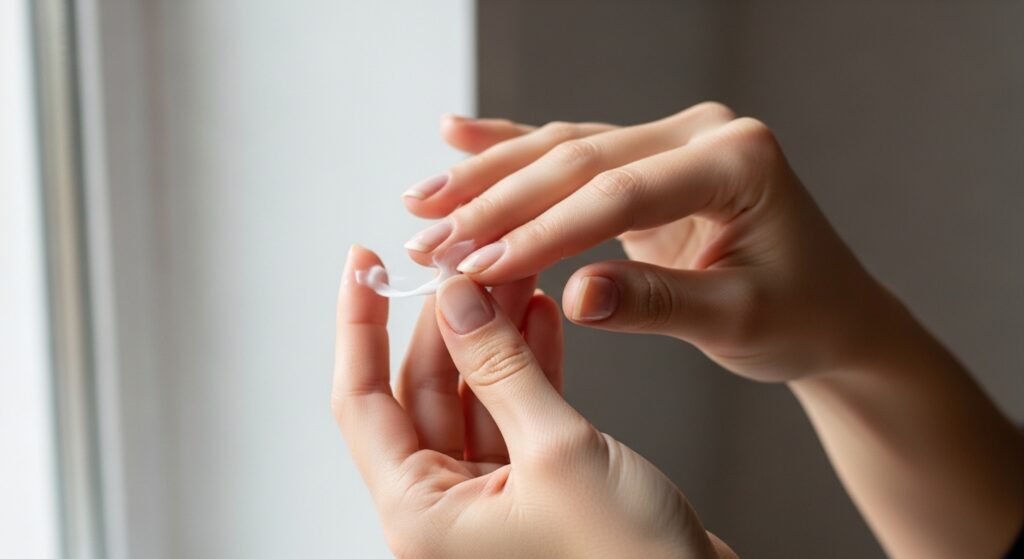
The nails and the surrounding skin may feel dry after acetone use and therefore it is important to apply cuticle oils and a hand cream that contains nutrients. Moisturising the nails can bring back the flexibility and it enhances the strength and the general appearance of the nails.
Recovery Care
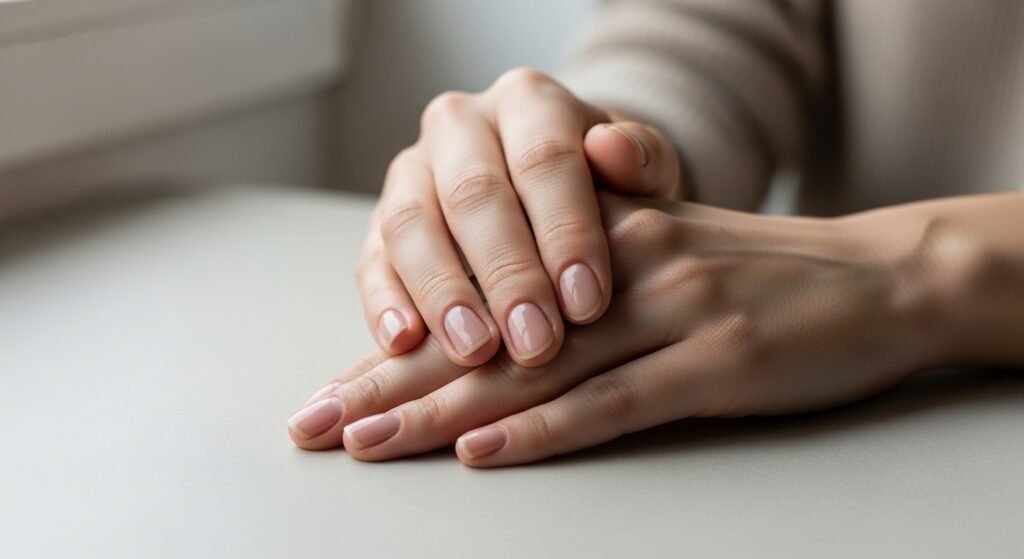
It should be noted that you should provide the nails with some rest after doing artificial improvements, this will help the nails to rest and grow naturally. One of the steps to be taken during this period is to trim, moisturize, and protect nails and make them strong again, to avoid causing wear on the nail plate without any necessary stress.
About the Author