




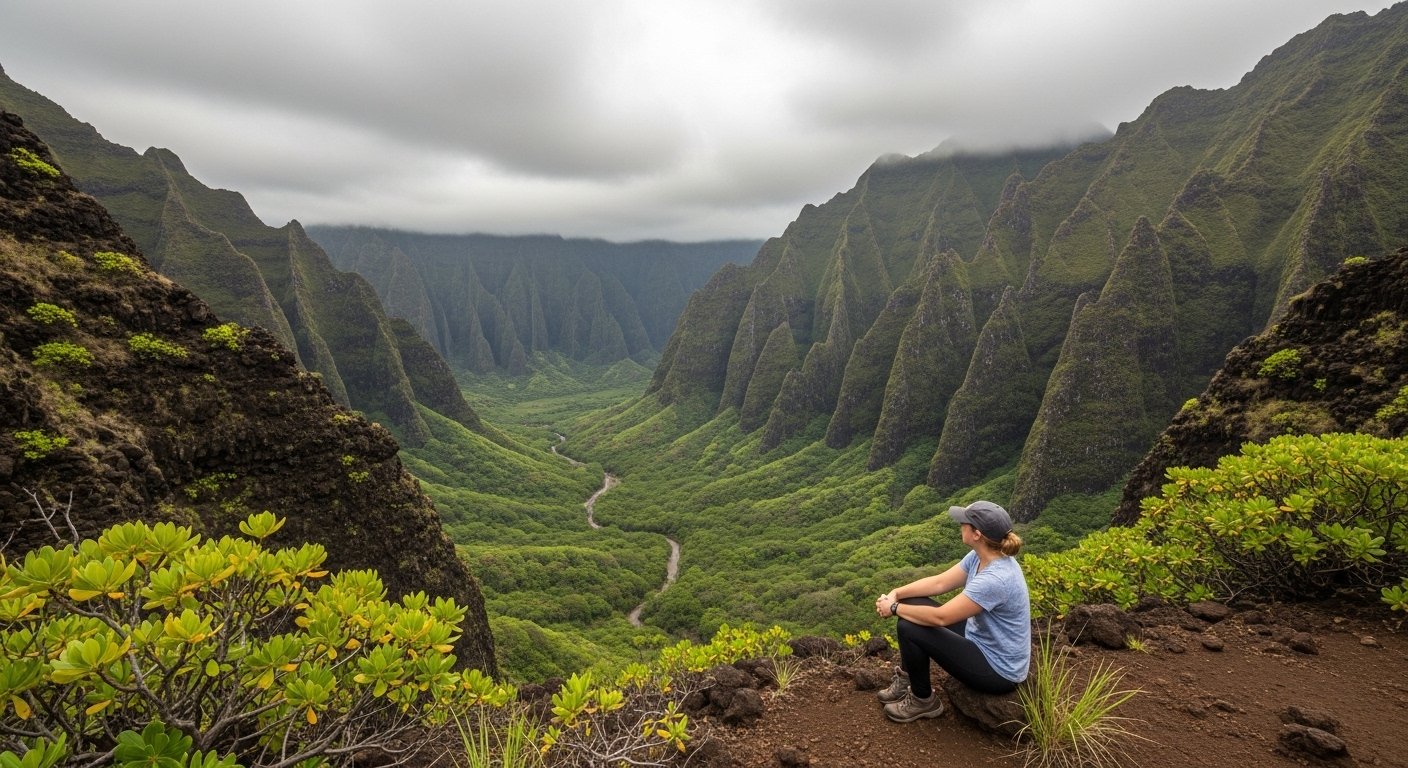
The national parks of America are visited each year by travelers who are seeking dramatic sceneries, wildlife and natural marvels which cannot be found anywhere in the world. The recent but deadly event of one of the visitors of the Hawaii national park has triggered a new wave of concerns among the authorities of the country and a problematic tendency of uninformed risky behavior of tourists visiting these secured areas.
Rising Risks
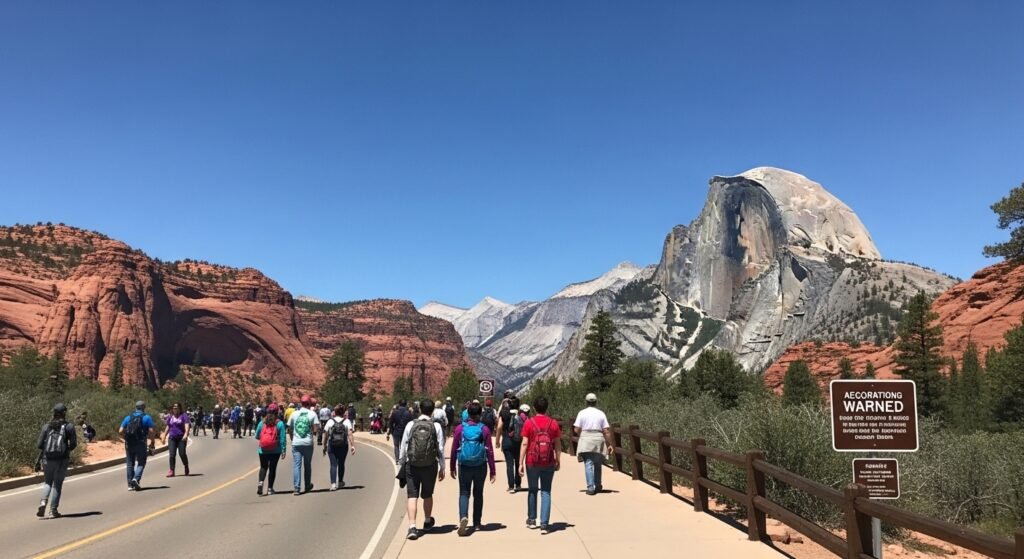
The United States is experiencing a constant growth in visitors to different national parks in the country during the last ten years, which brings both positive and negative implications to the economy and the safety issue. According to authorities in parks, there are visitors who disregard warned signs and walk out of designated zones which puts them in dangerous conditions that are easily life threatening.
Tourist Behavior
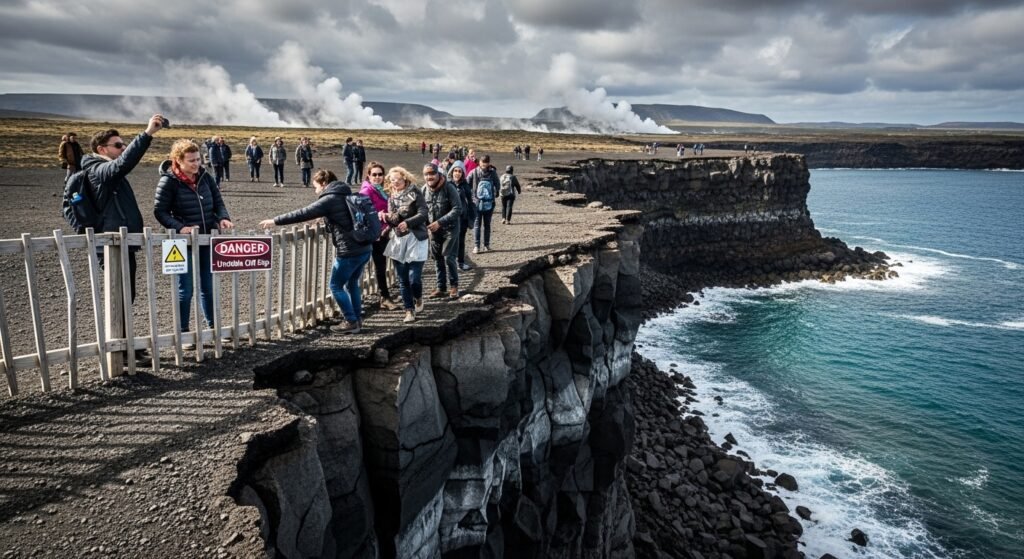
The authorities have noticed an increasing trend of visitors going too near hazardous surface to take a photograph or get distinctive experiences. This activity frequently involves visiting the dangerous cliffs, getting past the safety fences, or walking over the weak volcanic terrain that was not designed to sustain the huge number of feet.
Park Warnings
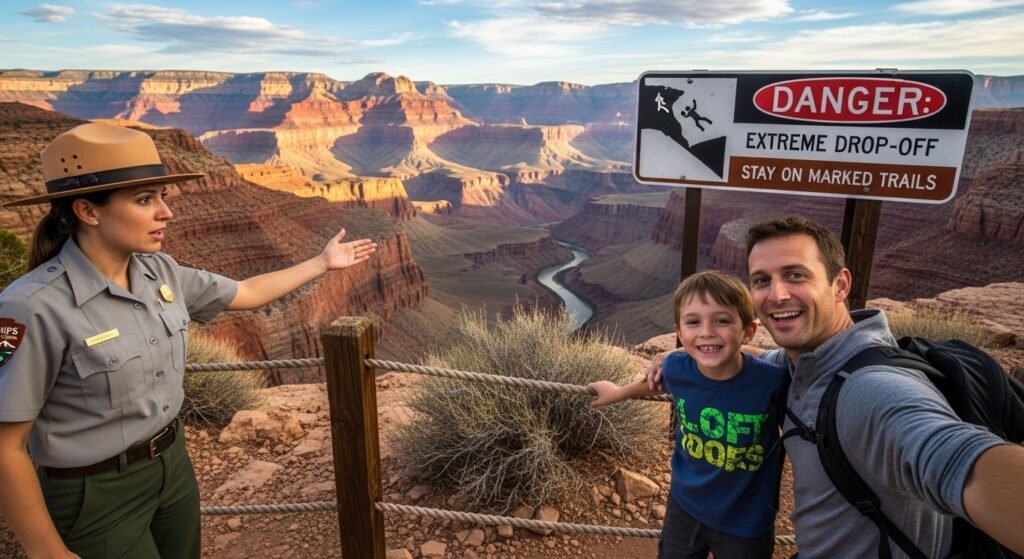
The National Park Service employees constantly place warning signs and safety barriers in the places that are known to be dangerous. Regardless of such measures, there are always visitors who decide to disregard controls because they consider that the risk is not so high or they think that the landscape is a safe place as they think.
Natural Hazards
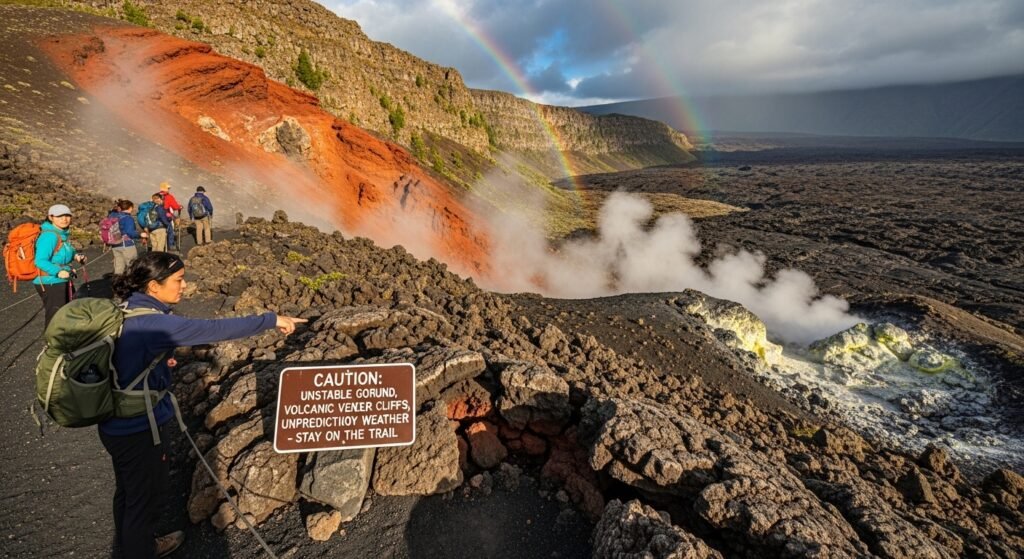
A lot of the national parks have unusual natural elements that are not foreseeable like volcano vents, sheer cliffs, unstable rocks, and unpredictable weather. In scenic areas such as the volcanic parks of Hawaii, the ground may suddenly change or give way, and it is therefore important to be cautious on observing safety precautions irrespective of their position.
Social Influence

According to experts, the social media need to take dramatic images, and this has increased risk taking in scenic places. There is some tendency of the visitors to pay more attention to getting impressive photographs rather than acknowledging the actual risks they are exposed to, which also heightens the risks of accidents.
Safety Efforts
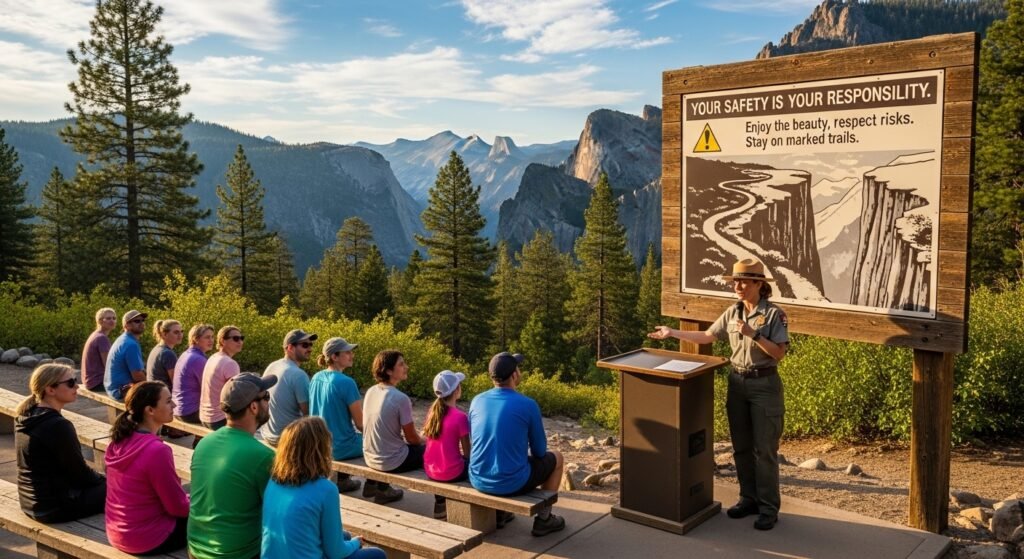
The National Park Service has also made the investment in educational campaigns that remind the visitors that natural beauty does not make real risk non-existent. Rangers tend to hold safety briefings, enhance signs and through the public awareness programs to support responsible exploration of the landscape in the parks.
Visitor Responsibility
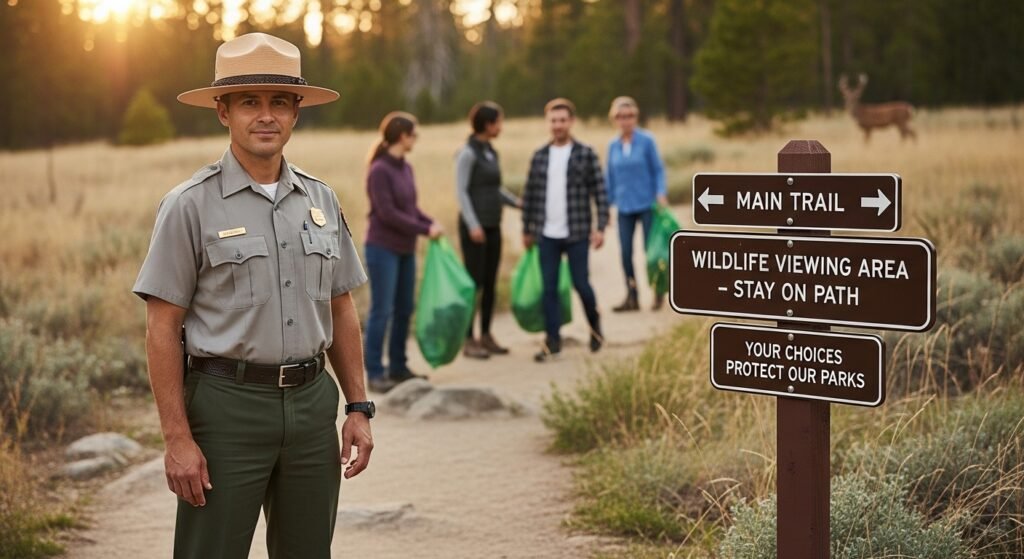
The security of the national parks will always be reliant on the decisions made by the visitors when they go. Maintaining distance, following well-marked trails, and listening to the instructions of the authorities might drastically decrease the risks of accidents or emergencies.
Future Prevention
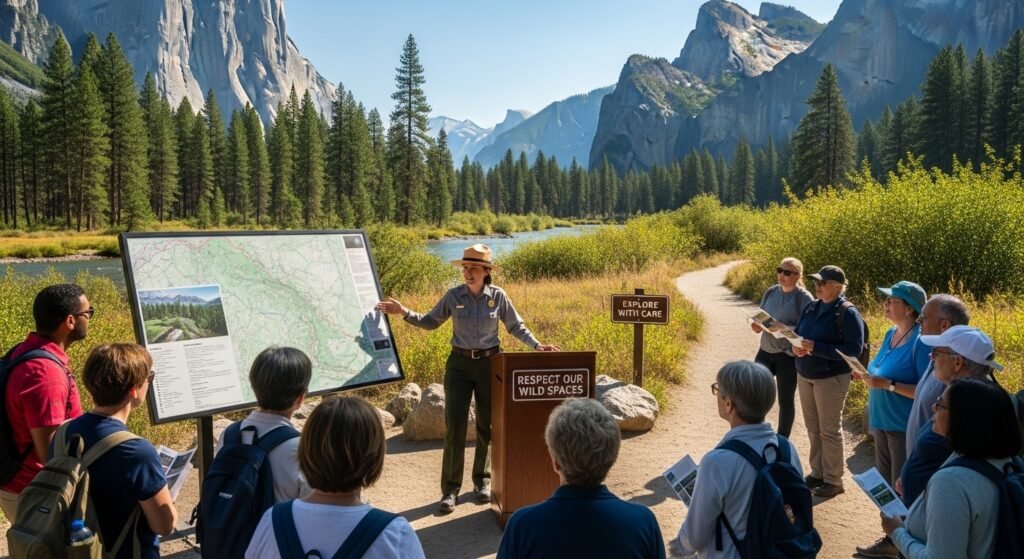
The hope of the officials in the park is that increased knowledge on the recent events will make the tourists explore the environment carefully and with respect. Being aware that national parks are wild natural sceneries instead of regulated attractions, tourists can contribute to keeping the exploration process not only motivating but also safe and enjoyable to everyone.
About the Author