



It can be exciting to organize excursions to the great locations in America but large numbers of people are usually a spoil to the fun. Being able to know when to go in 2026 will turn a busy vacation into a relaxing, vacant memory without highlight losses. Visitors are seasonal, their schools are on vacation, it rains or it snows, all these factors make timing a potent tool. This guide talks of intelligent travel windows which will allow you to plan in comfort and at the same time experience the famous places with the same distinctive air.
Spring Magic

One might enjoy a good weather, less queuing and decorations during the season in Walt Disney world Resort during the end of January to early March before the main seasonal spring break travelers get into the United States. This time gives the traveler the chance to see major attractions in a more relaxed manner and at the same time enjoy the low demand in accommodation as compared to the school holiday seasons at the end of the season.
Urban Winter

Traveling to New York City in the mid January to February offers a lighter setting compared to right after the holidays when hotel rates usually go down and the famous attractions become accessible. The weather is colder but there is plenty of culture with the attractions, museums, and theater performances that are not overcrowded with tourists that are evident during warmer seasons.
Shoulder Season
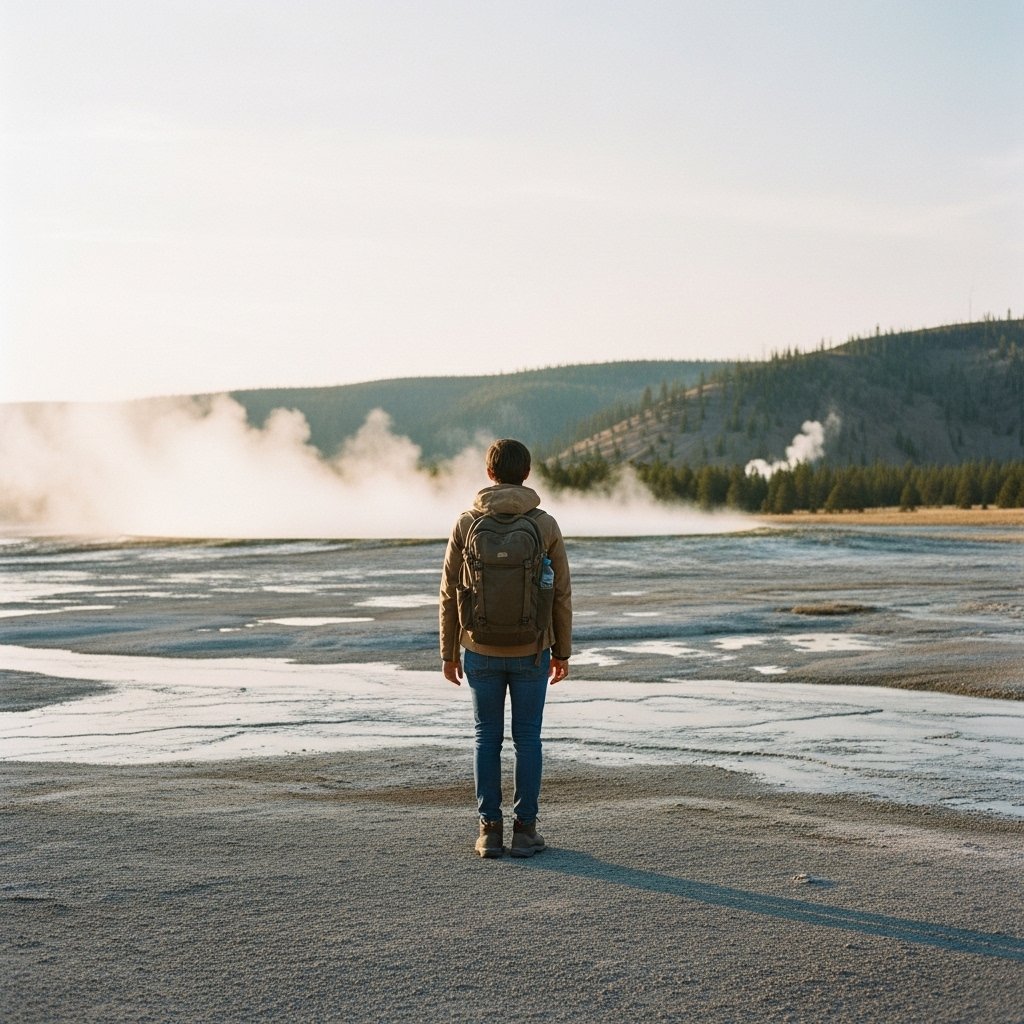
Visitors planning to visit Yellowstone National park will consider May and late September as the best periods of avoiding the rush season and still enjoying the active wildlife viewing and available park roads. The months are the right time to enjoy accessibility and peace, making visitors enjoy geothermal features and landscape without the heavy traffic in the summer months (June-August).
Desert Calm
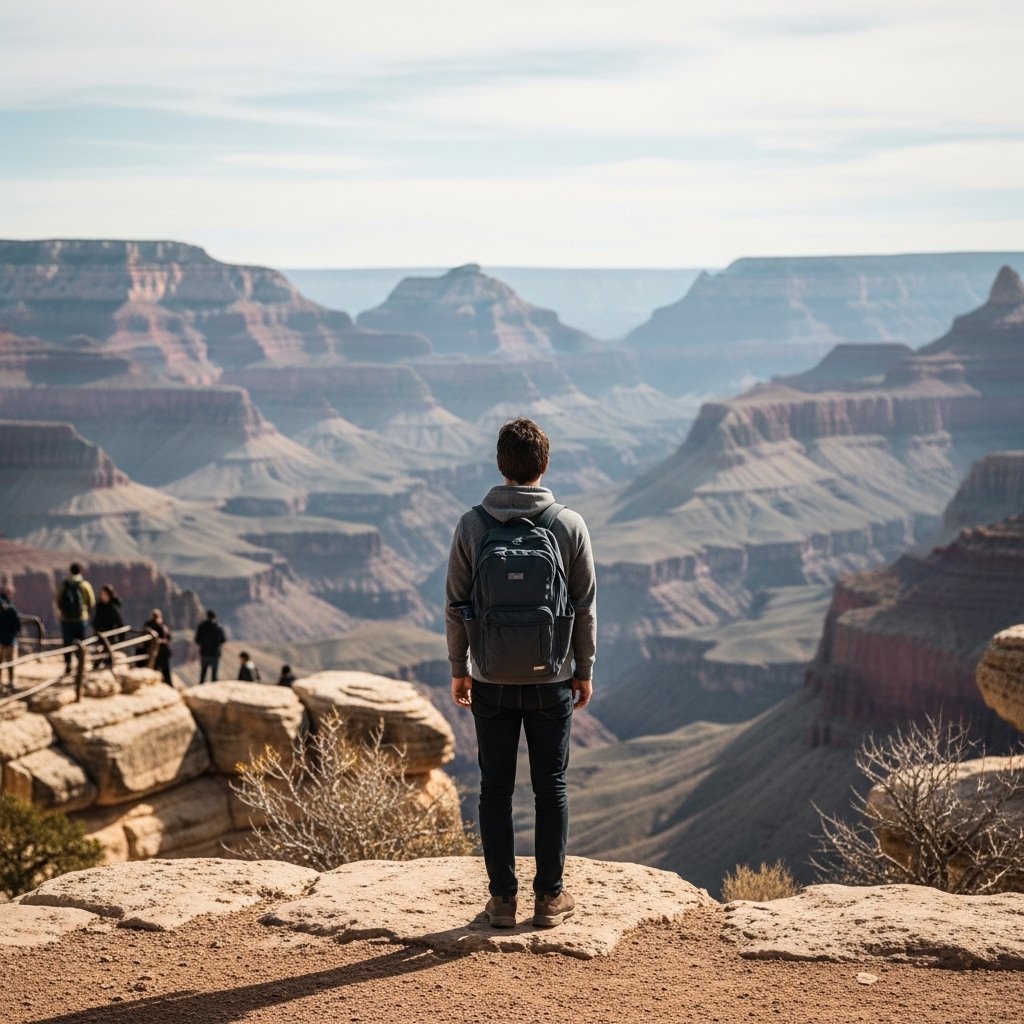
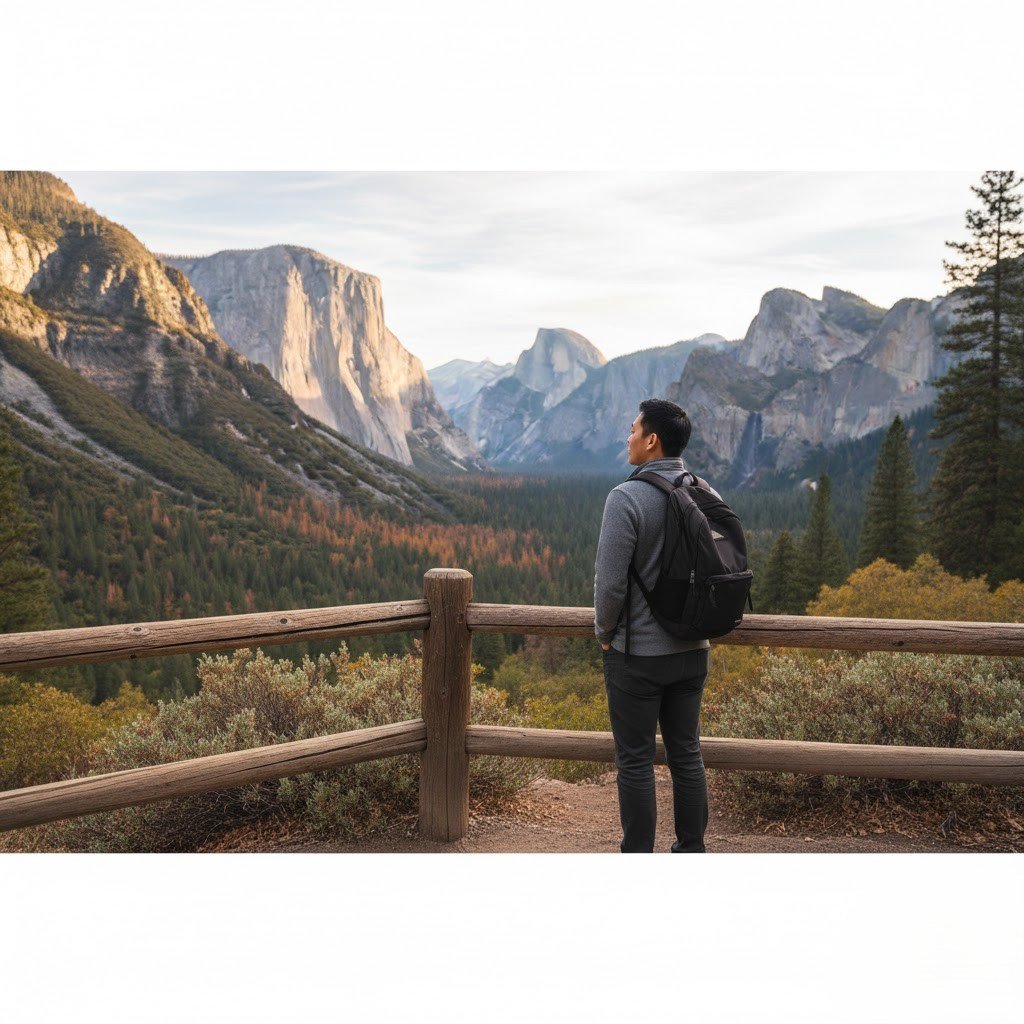
The decision to visit the Grand Canyon National Park during the months of October or early November is somewhat colder with lighter traffic since most of the areas are on holiday and the warm summer season is already over. The lower temperature makes hiking more comfortable and allows better sightseeing since the weather is more pleasant to explore, unlike the extreme heat and number of visitors in the high season.
Summer Alternatives
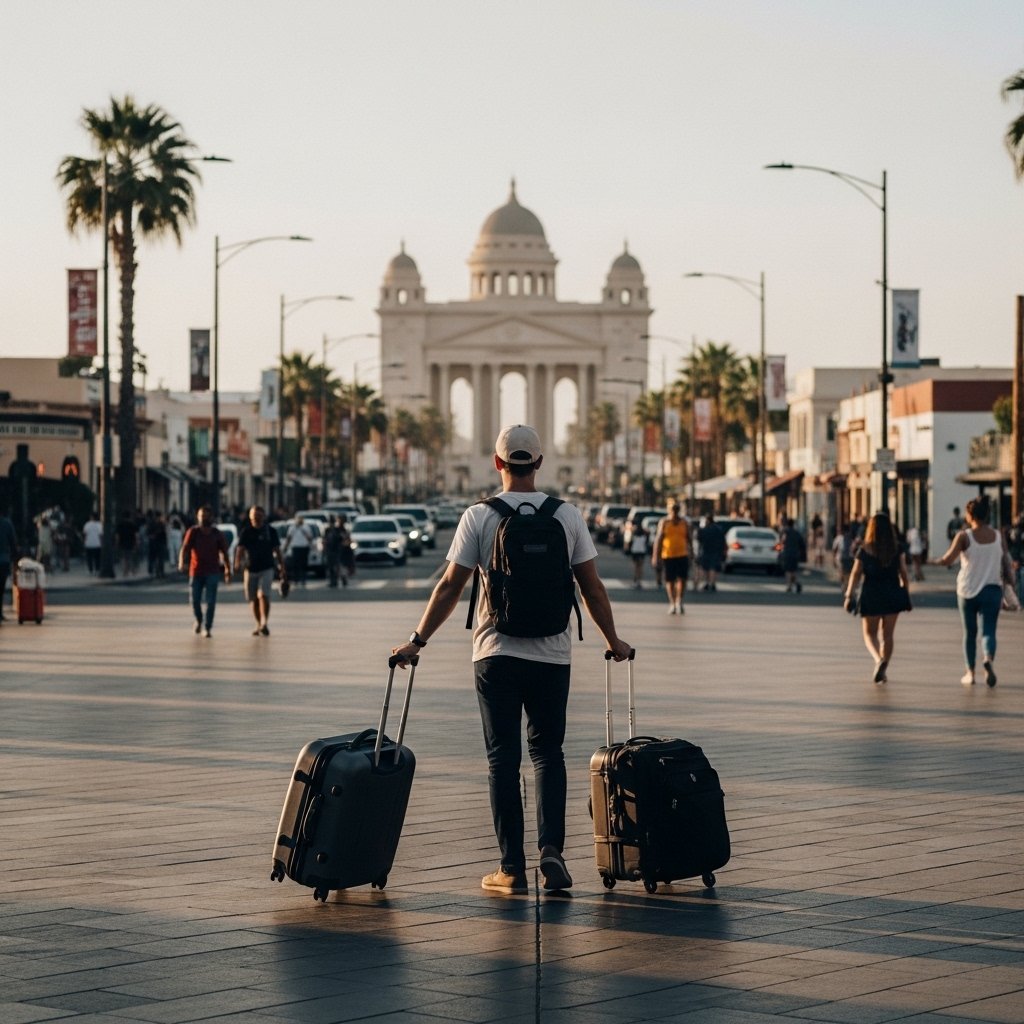
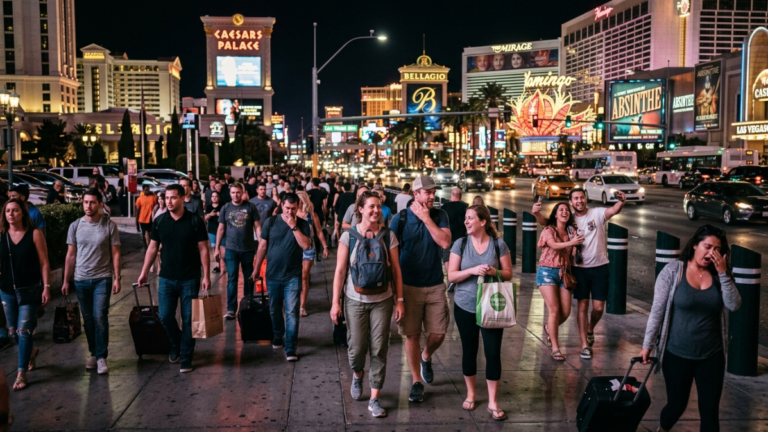
Summer is the most common time time, however, the months of June or August may have unexpectedly lower crowds in Las Vegas during the daytime because of the high temperatures that prohibit excessive outdoor activity. Pre-planners who enjoy taking morning and evening tours can enjoy major attractions more comfortably besides enjoying competitive rates in the hotels as compared to cold summer months.
Island Timing

A vacation to Maui during the end of April until beginning of June or during late September till mid October would mean that the vacationer will have warm weather, availability of beaches and reduced number of tourists than during peak winter and holidays. The shoulder seasons also offer increased chances of easy sightseeing and easy reserve in traveling around scenic places of interest.
Capital Quiet

Going to Washington, D.C. soon after the cherry blossom season or towards the end of August means fewer people since the school vacations end in most regions. The museums, monuments, and governmental landmarks are always open, which makes the place much more peaceful than the huge crowds that were observed in the high season weeks.
Coastal Escape
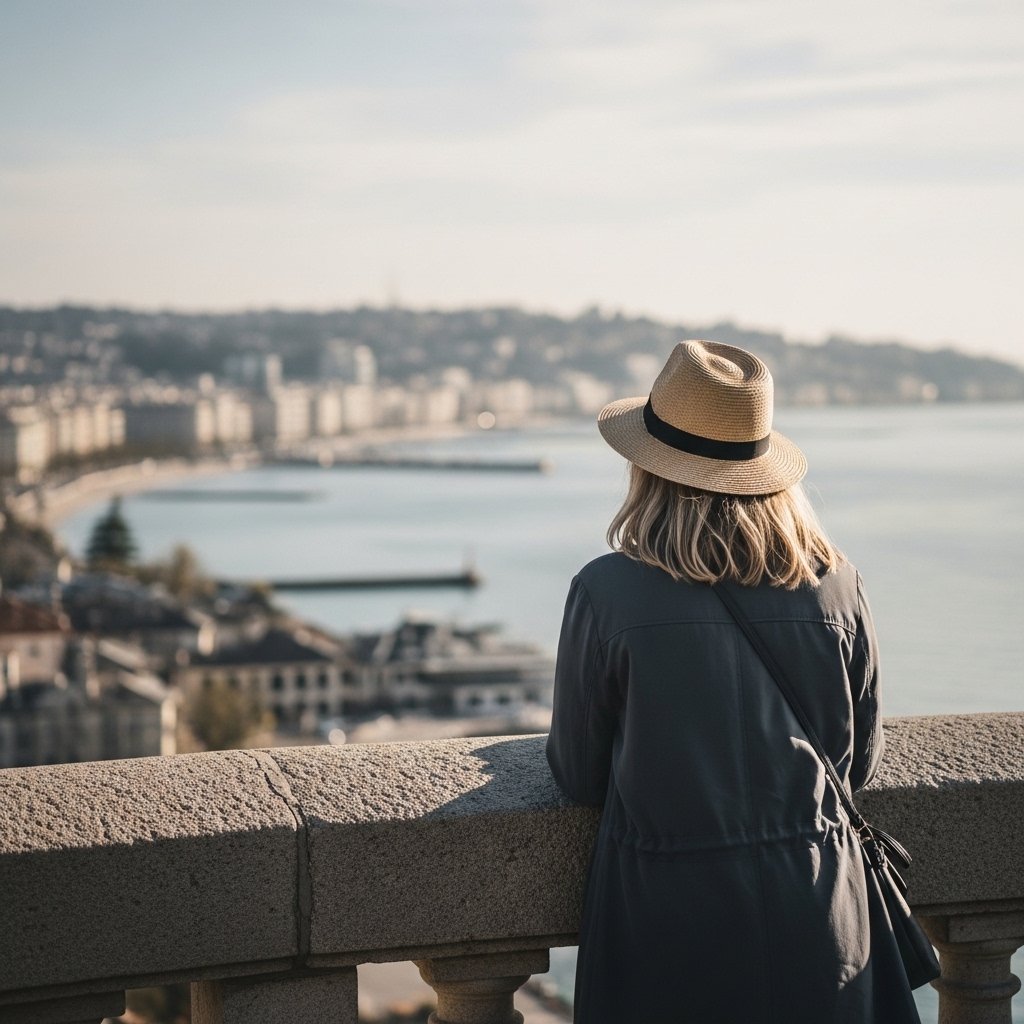
A trip to San Francisco in the months of September and October offers some of the most favorable weather in the city as well as lower tourism in the city and thus offers the best climate to sightsee and explore the city. It is a time of pleasant weather and clear skies, which are not overcrowded with tourists, so one can enjoy the classic districts and waterfront perspectives without the overcrowding during peak seasons.
About the Author