



The summer heat means the days are longer and the steps are lighter, however, it can also unveil a problem that most people will ignore. The shoes that were quite comfortable during colder seasons will all of a sudden start squeaking with every step, which is uncomfortable and distracts. This universal issue is no fault, it is a response to the shifts in the season, and knowing the cause would make it very easy to correct and avoid forever.
Heat Expansion

The effect of the increase in temperature on your shoes includes the natural expansion of the materials, particularly that of rubber soles and synthetic materials that respond to heat rapidly. This growth can cause friction of layers that used to be silent and this gives that familiar squeaking sound every step.
Moisture Build
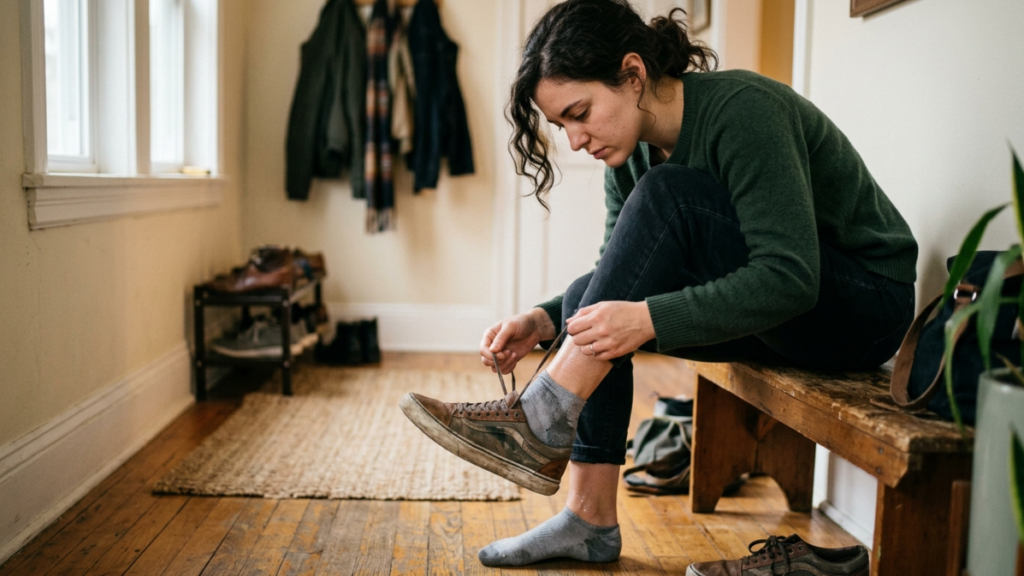
Summer is also associated with a lot of sweating and when moisture is trapped in a pair of shoes, it is a major factor that causes noise. When wet surfaces rub together they make a high pitch squeak which is more pronounced the longer the moisture remains within.
Insole Friction

The insole may move a little bit because of humidity and wear and thus there is a movement between the insole and the shoe base. This minor movement leads to constant rubbing, and it becomes heard as a squeak when walking.
Loose Components

With age, the adhesives present in shoes can become weak particularly when subjected to hot climates and water. This may make some section of the shoe loose, such that it slides past the rest resulting in an undesirable sound.
Rubber Soles

In hot weather, rubber soles are more likely to stick to the smooth indoor floors. This stickiness becomes more difficult with every step and the only grips are used to squeak against the floor.
Humidity Effects
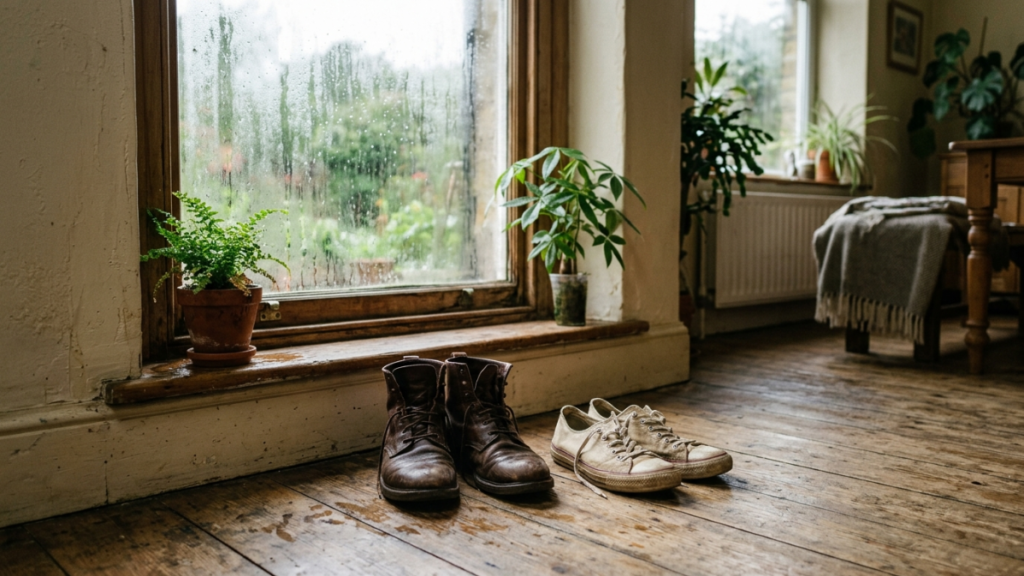
Friction can also be caused by a high humidity level in order to make materials such as leather and fabric softer and more flexible. This softness could be comfortable, however, it also makes it more prone to squeaking as various components move with ease.
Dust Traps
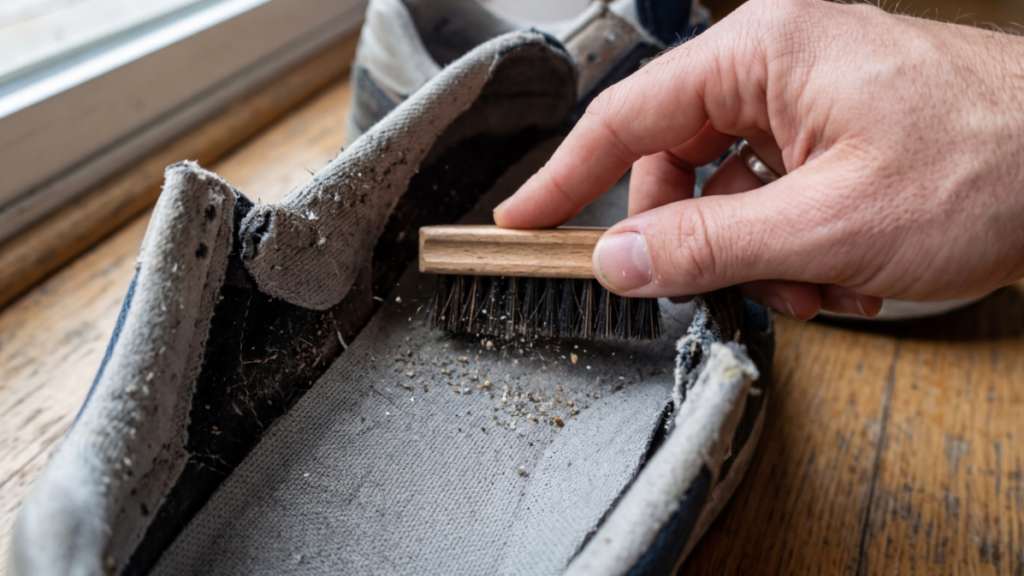
Fine dust and debris may be trapped inside or under the insole and this forms uneven surfaces. During walking with pressure, these particles also cause noise due to their interference with smooth contact of layers.
Simple Drying
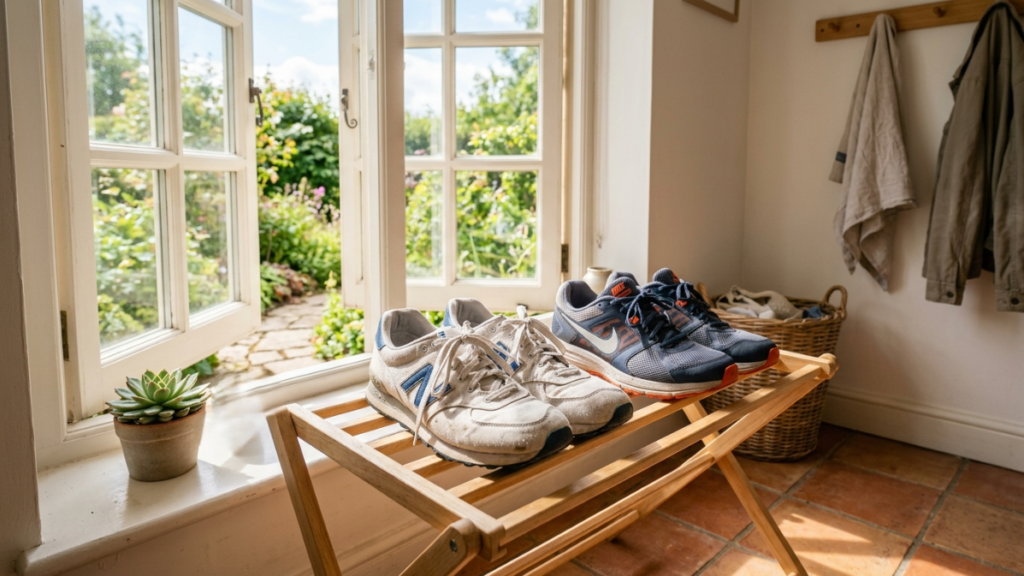
One of the simplest and most effective methods of reducing squeaking is to allow the shoes to dry fully after they have been used. Adequate air circulation removes moisture vapour and restores equilibrium among the materials which reduces friction.
Powder Trick
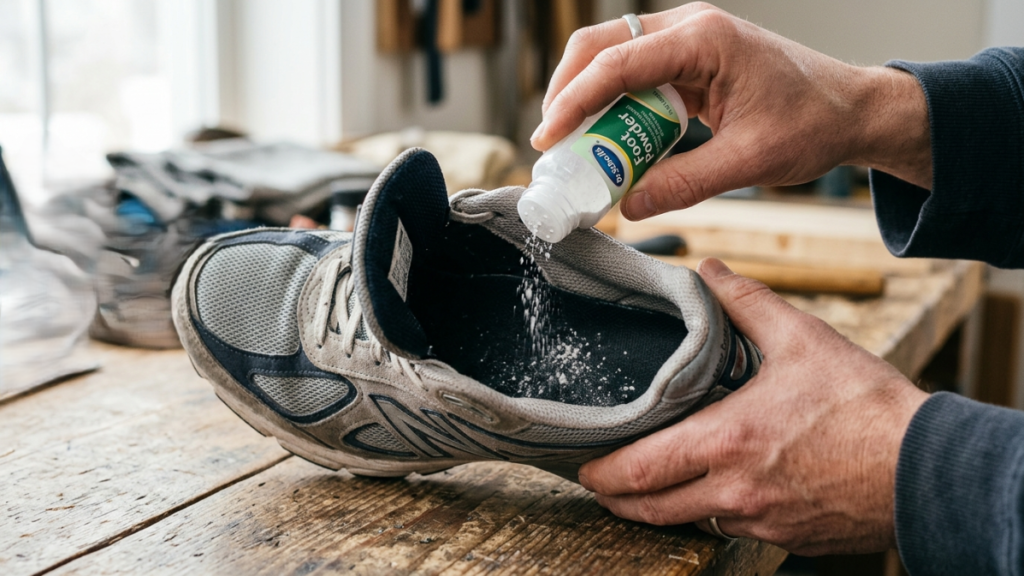
A little talcum or foot powder in the shoe will absorb moisture and make the inside of the shoe friction free. This crude process forms the smoother surface and the parts are able to move freely without resistance.
Tightening Fit

Shoes should always fit well and should be tight to ensure that they do not move around unnecessarily in the shoe. The tight fit minimizes movement which in turn minimizes squeak possibilities when used daily.
About the Author