



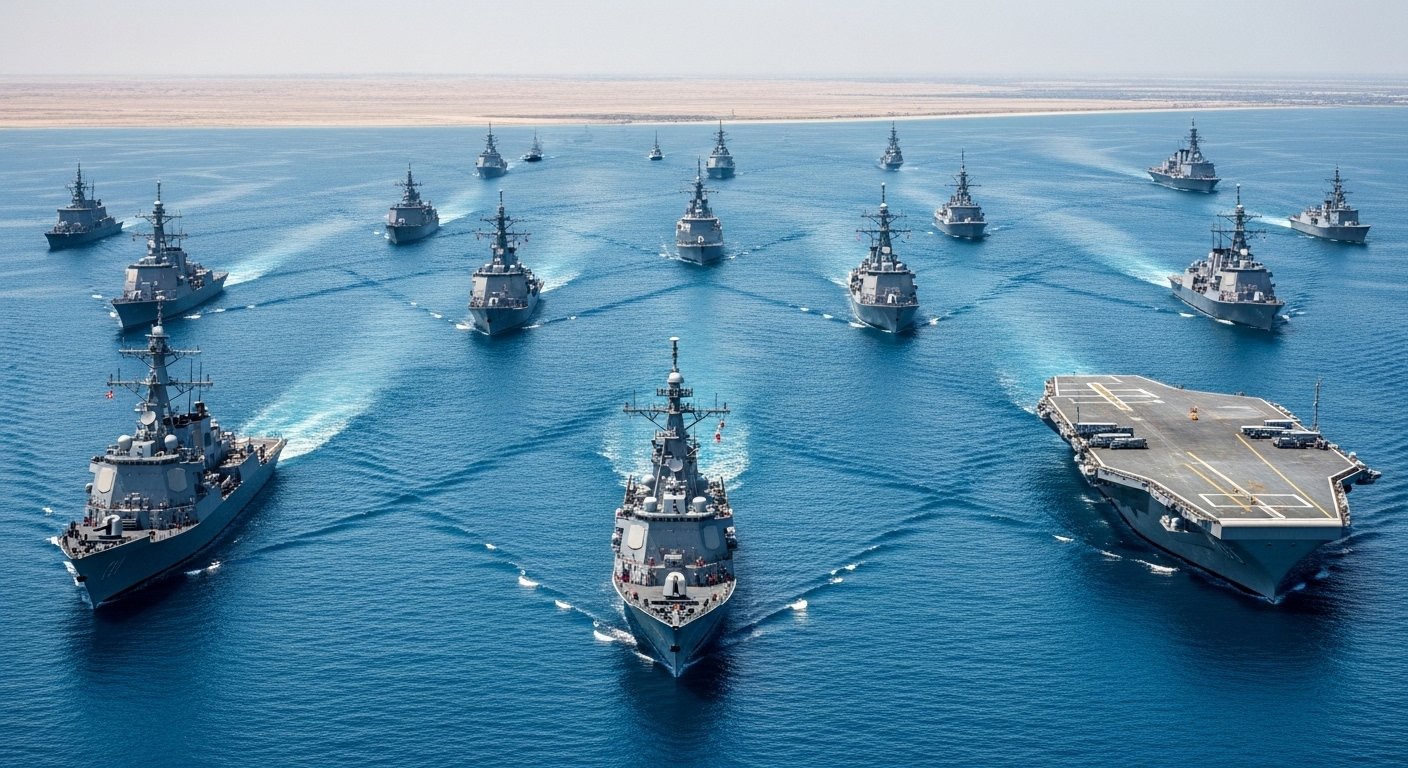
The Middle East has been one of those areas where sea control has been a silent but conclusive factor in determining security and influence. With tension and rivalry prevailing in the region, some nations are putting in a lot of funds in developing sophisticated naval weapons that are already changing the way power is projected through major waterways. Such contemporary systems are altering the manner of calculating strategy and compelling regional powers to reconsider the concept of maritime defense, cooperation, and deterrence.
Rising Sea Power

In the Middle East, countries are enhancing their naval capabilities to guard shipping lines, energy facilities, and coast lands. Modern warships and better patrolling measures are increasing the range of action and capability of the regional navies to operate well beyond their historic territories.
Missile Technology
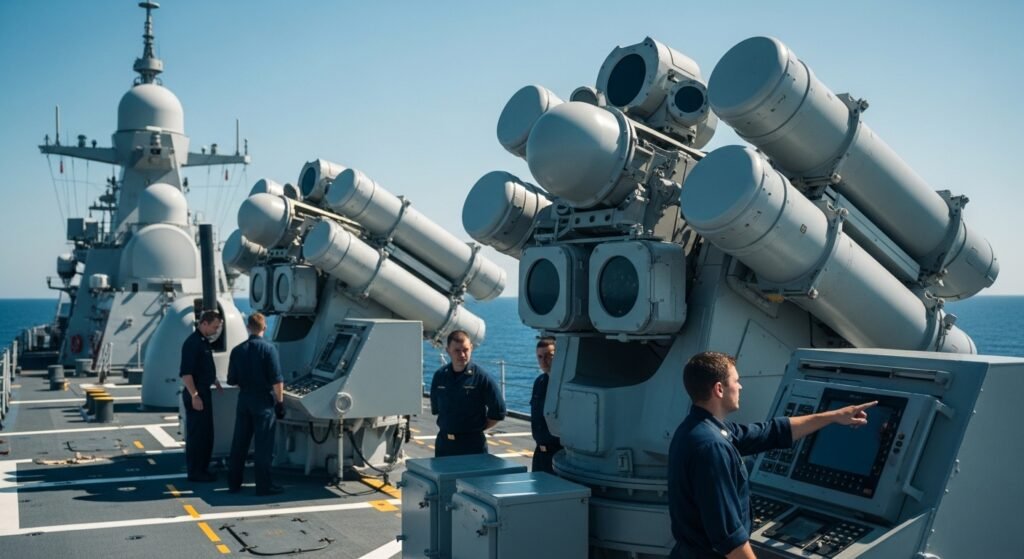
The state-of-the-art anti ship missiles have emerged to be one of the most dominant naval weapons in the area. The smaller fleets, with the help of these systems, can pose dangers to large ships over long distances, changing the balance of power, making it even more challenging and unpredictable to confront his opponent at sea.
Drone Vessels
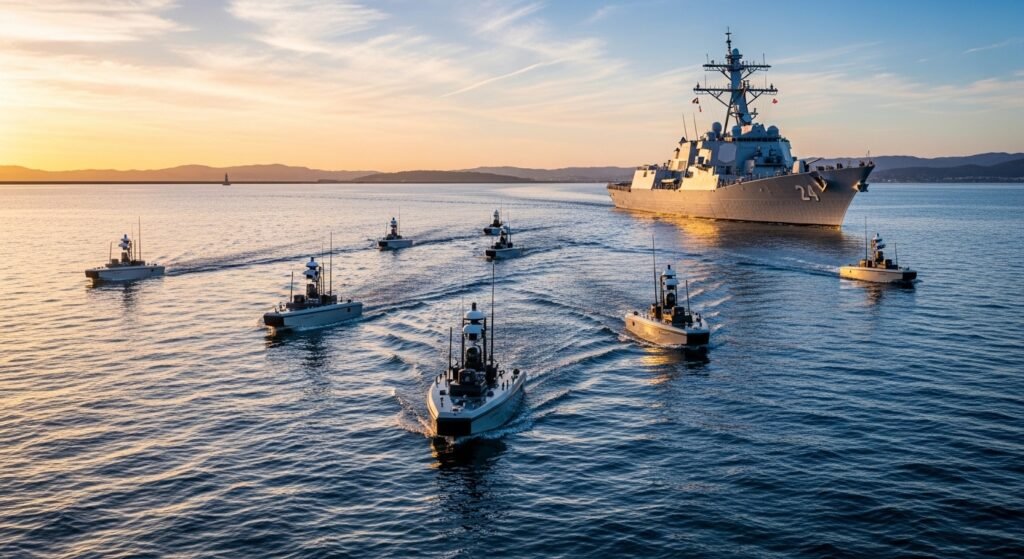
Unmanned surface vessels are starting to feature in local naval operations. These remotely controlled vessels are capable of patrolling sensitive areas, collecting intelligence, and undertaking surveillance operations and the sailors are not in immediate danger.
Submarine Growth

The benefits of submarines are stealth and strategic capability under the surface of disputed waters. Some nations in the Middle East are increasing their underwater fleet; they are realizing that silent missions in the sea have the ability to affect deterrence and intelligence collections.
Coastal Defense
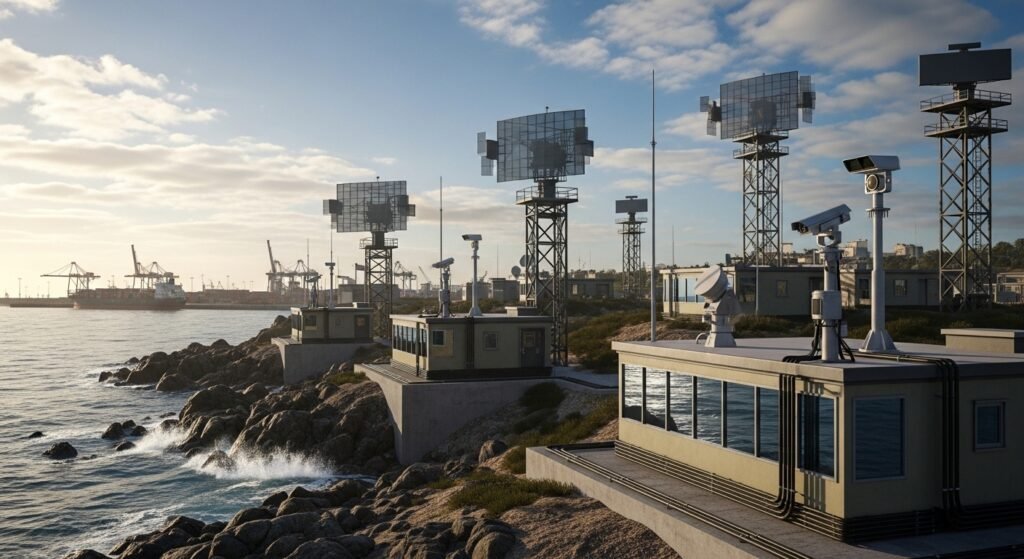
Defenses on the coast are more and more connected to the affairs of the sea. Battery of missiles sited along the coastlines have the capability of securing ports and waterways narrowing and forming robust defense networks that render access to the sea extremely challenging to any possible competitors.
Naval Modernization
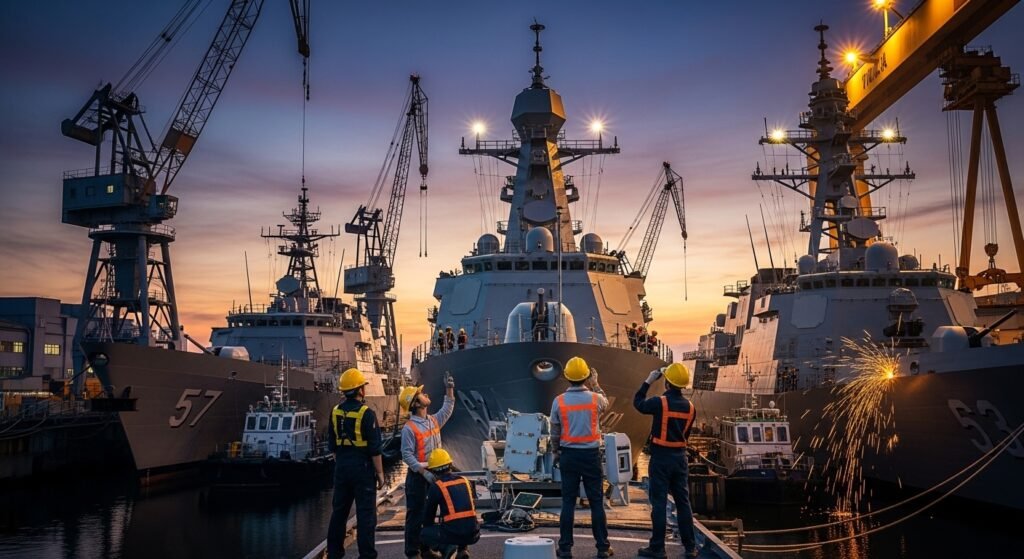
Most of the states of the region are retrofitting old fleets with state of the art sensors, communication, and accurate weapons. The enhancements enable the naval forces to plan quicker and act in response to any threats with high accuracy and effectiveness.
Strategic Waterways

The Strait of Hormuz and other sea routes bordering it are strategic to the world trade and transportation of energy. Any change in maritime capacity can impact the security of international shipping because of the presence of high-technology naval weapons in the areas of these routes.
Regional Balance

The balance of power over the Middle Eastern waters is slowly undergoing a change as the technology of the naval keeps on changing. Planners in the military are now paying increased attention to maritime power realizing that command of the ocean can silently dictate the security and control of influence and stability in the area.
About the Author