



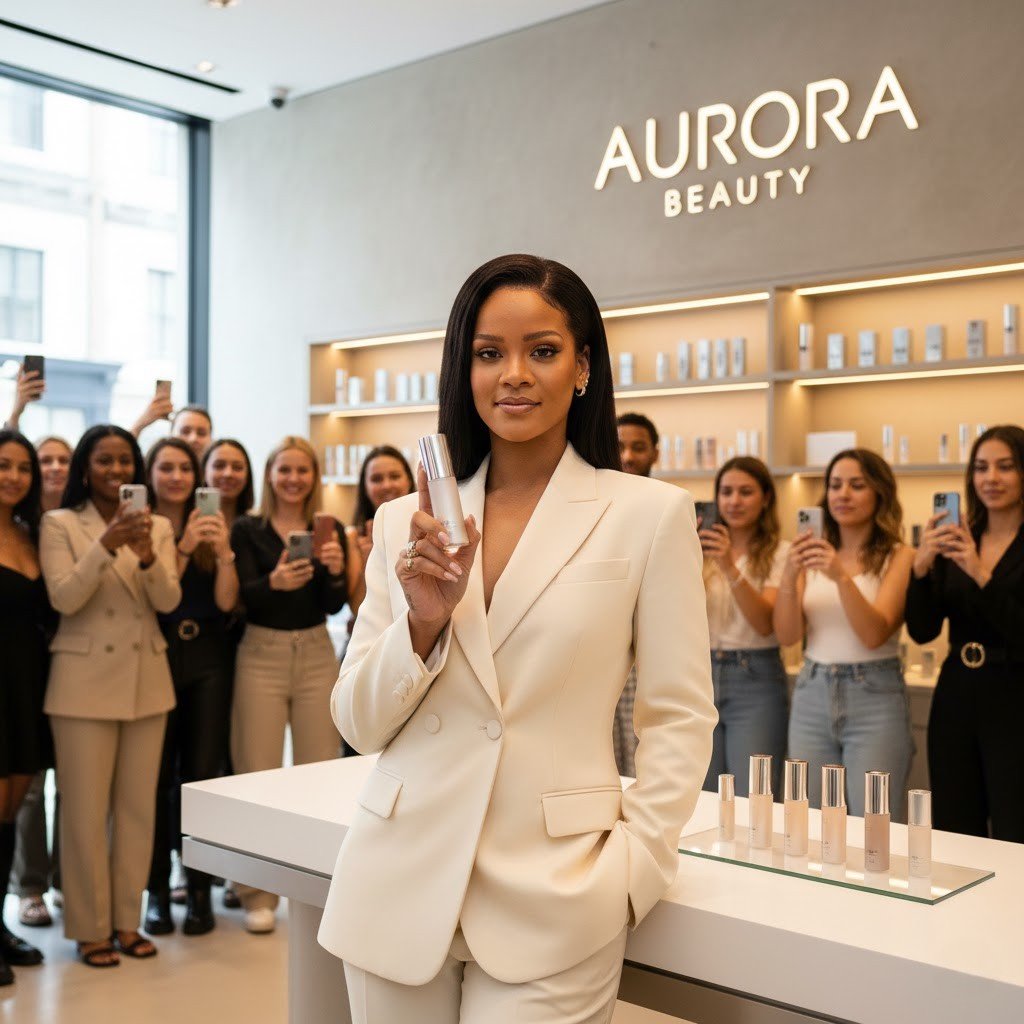
The celebrity has changed in the last ten years to become a full-fledged entrepreneur in the beauty industry, with the influence being used to produce products that represent the values and aesthetics of the person in question. This change has redefined consumerism where authenticity, storytelling, and innovation have been combined into cosmetics and skincare releases that frequently compete with the incumbent, and fans are turning more and more to familiar faces to provide quality, inclusiveness, and contemporary beauty solutions to meet the various lifestyles of people around the globe.
Authenticity Bacteria Consumer Trust
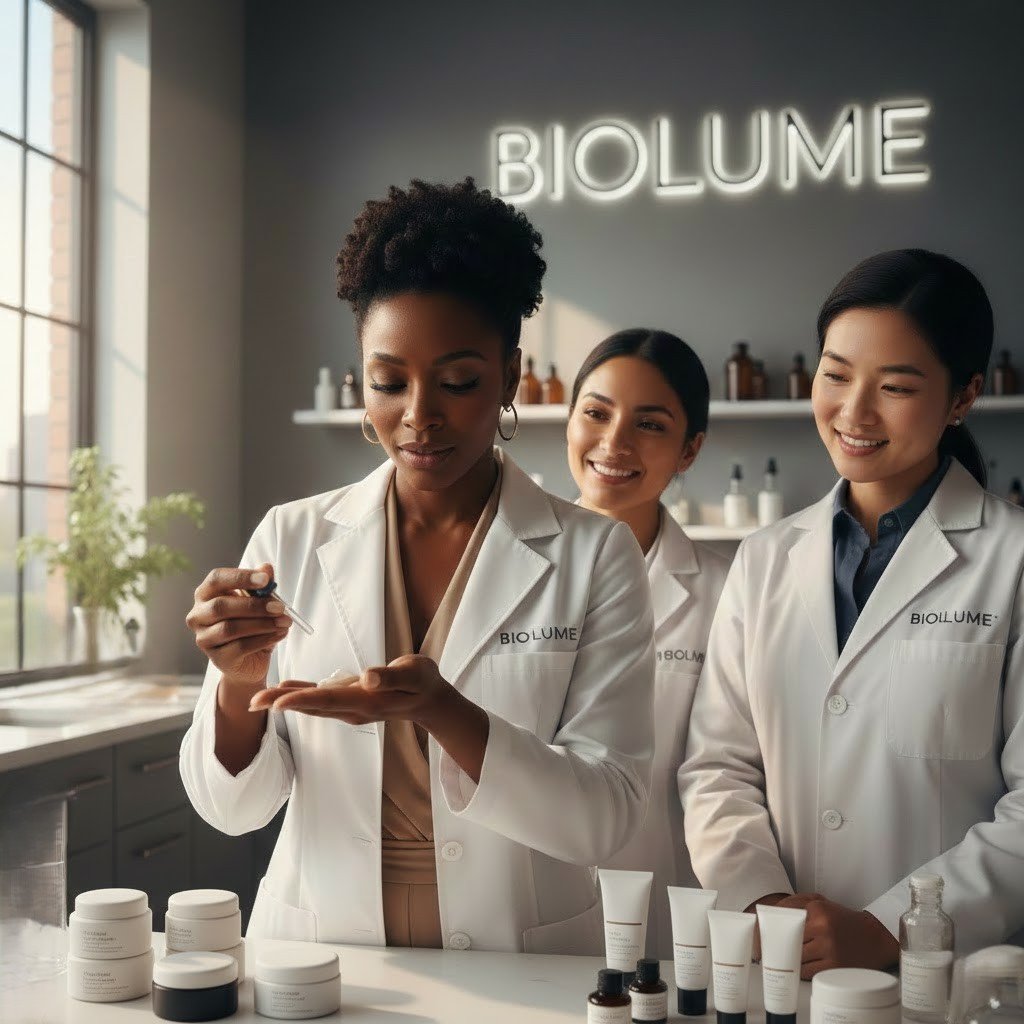
The inclusion of personal engagement in products development is highlighted by many celebrity founders and helps to build credibility and gives consumers an assurance that the brand is more than a licensing deal. The emotional connection tends to be directly transformed into a greater loyalty and lifetime involvement when the audiences think that a public figure really wears and trusts the products.
Altering industrial standards
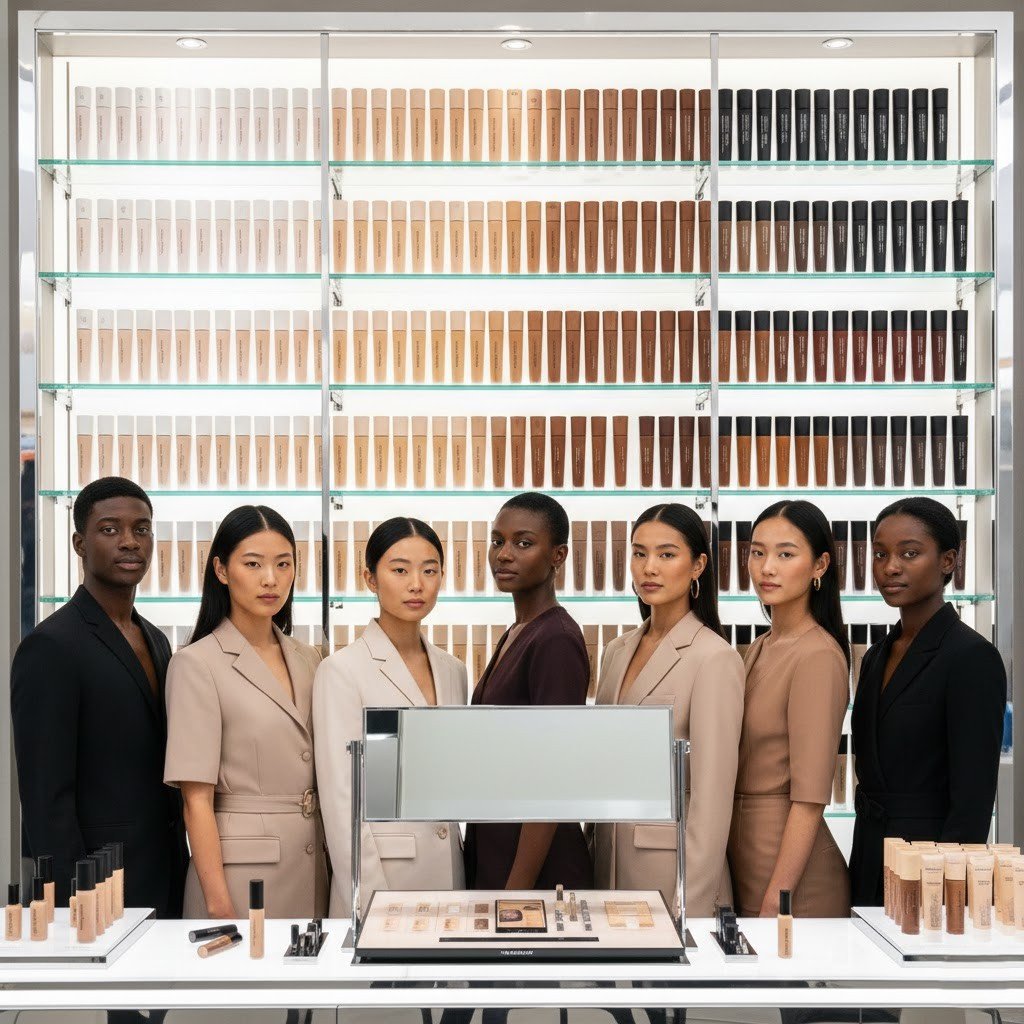
Fenty Beauty, set by Rihanna, made significant strides in the beauty industry by releasing a large collection of shades to cover long-standing gaps in complexion products, forcing other brands to broaden their range. This action shown that inclusivity is not merely another ethically significant issue but also a commercially profitable one, which affects the way industry participants innovate and expect their consumers to do so.
Direct Marketing and Social Media
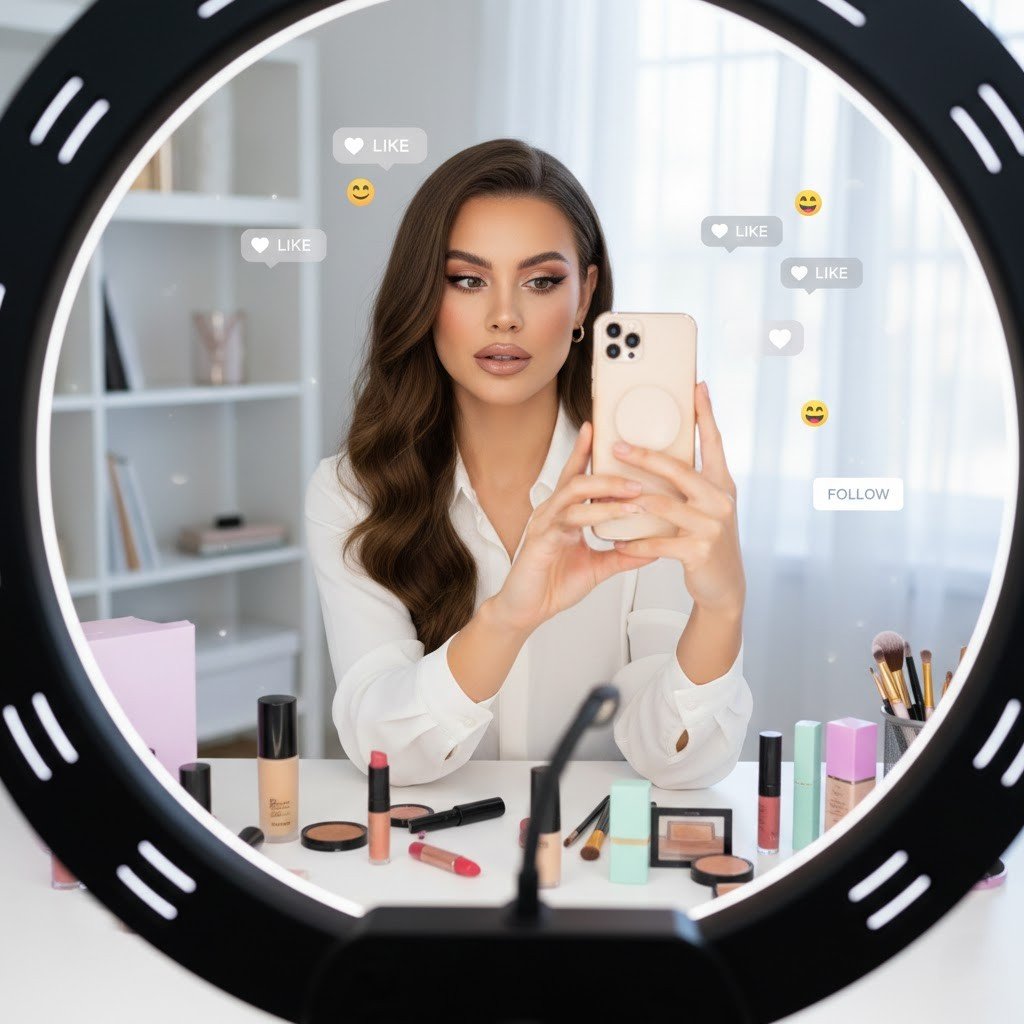
Direct communication with followers utilising digital platforms is what helped Kylie Cosmetics grow into a global brand, which is why the personal branding approach coupled with strategic use of online marketing proves to be effective. The social media enables the celebrity entrepreneurs to demonstrate product usage, provide behind the scenes content and instant feedback that they use to guide future launches.
Purpose Beyond Profit
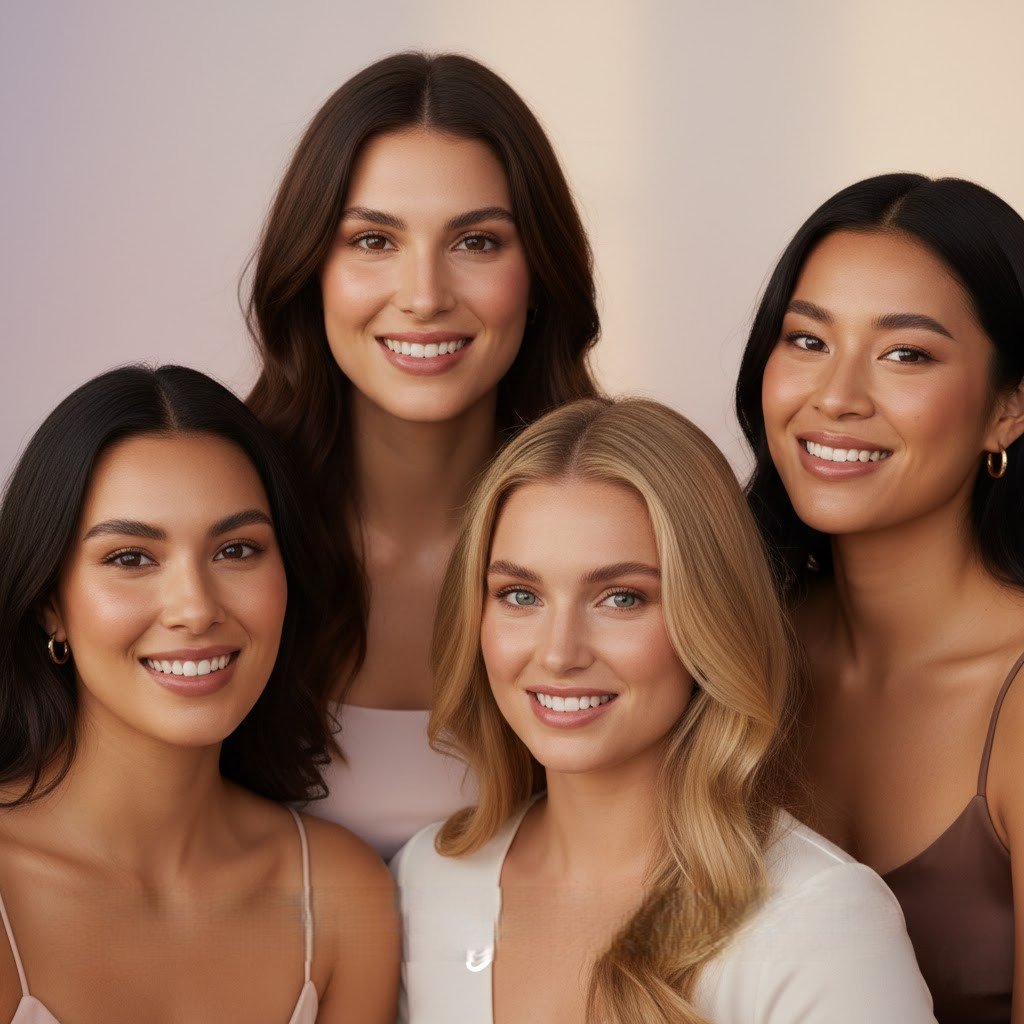
Selena Gomez launched Rare Beauty with a message of self-acceptance and emotional well-being, and how contemporary beauty brands tend to include social mission, as well as product innovation. When the cosmetics is linked with other wider discussions on confidence and identity, celebrity brands are often well-positioned to attract both meaning-seeking and performance-seeking consumers.
Using Personal Vision
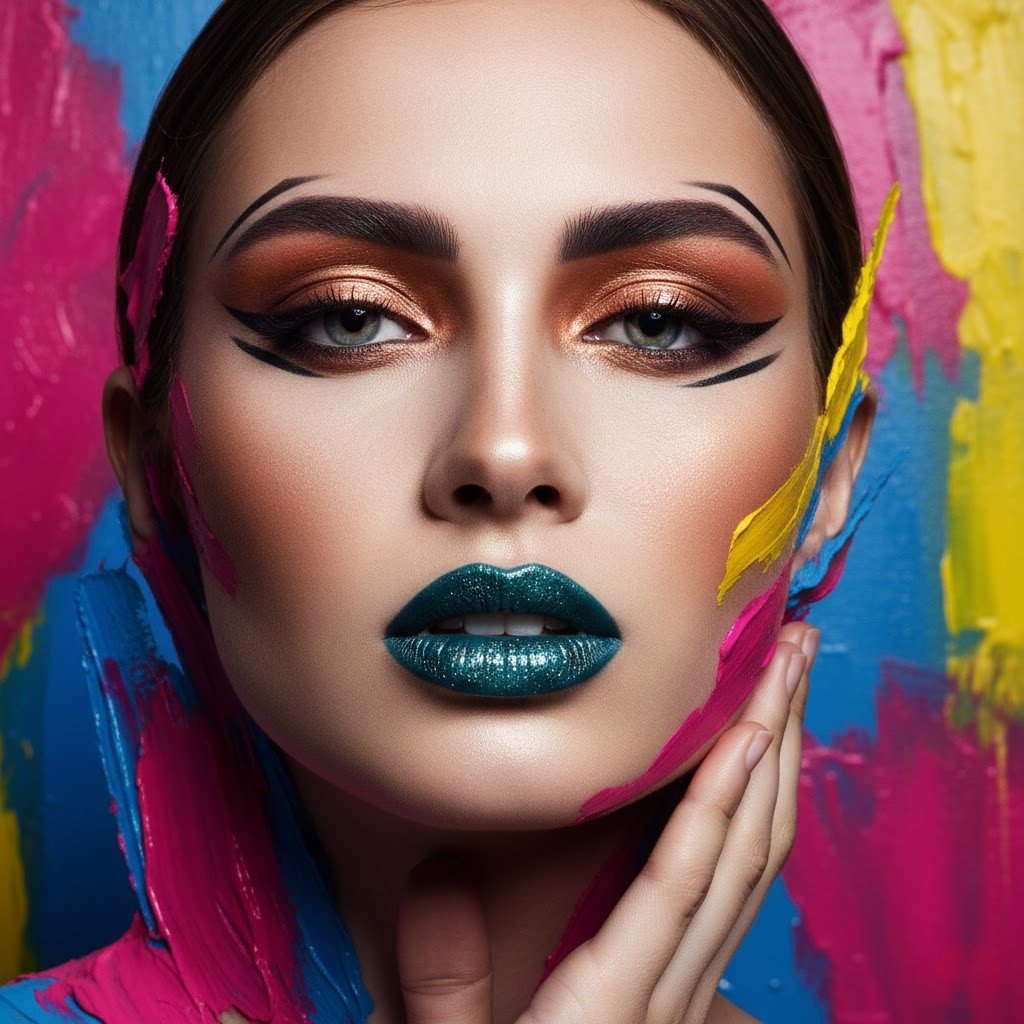
Lady Gaga established Haus Labs, as an ode to creativity and self-expression, where the creative founder typically projects his or her artistic identity into product development and brand aesthetics. This individualization makes the celebrity lines stand out compared to the old fashioned companies as easy to connect with due to a distinct story that appeals to both fans and beauty enthusiasts.
Minimalist Skincare Trends
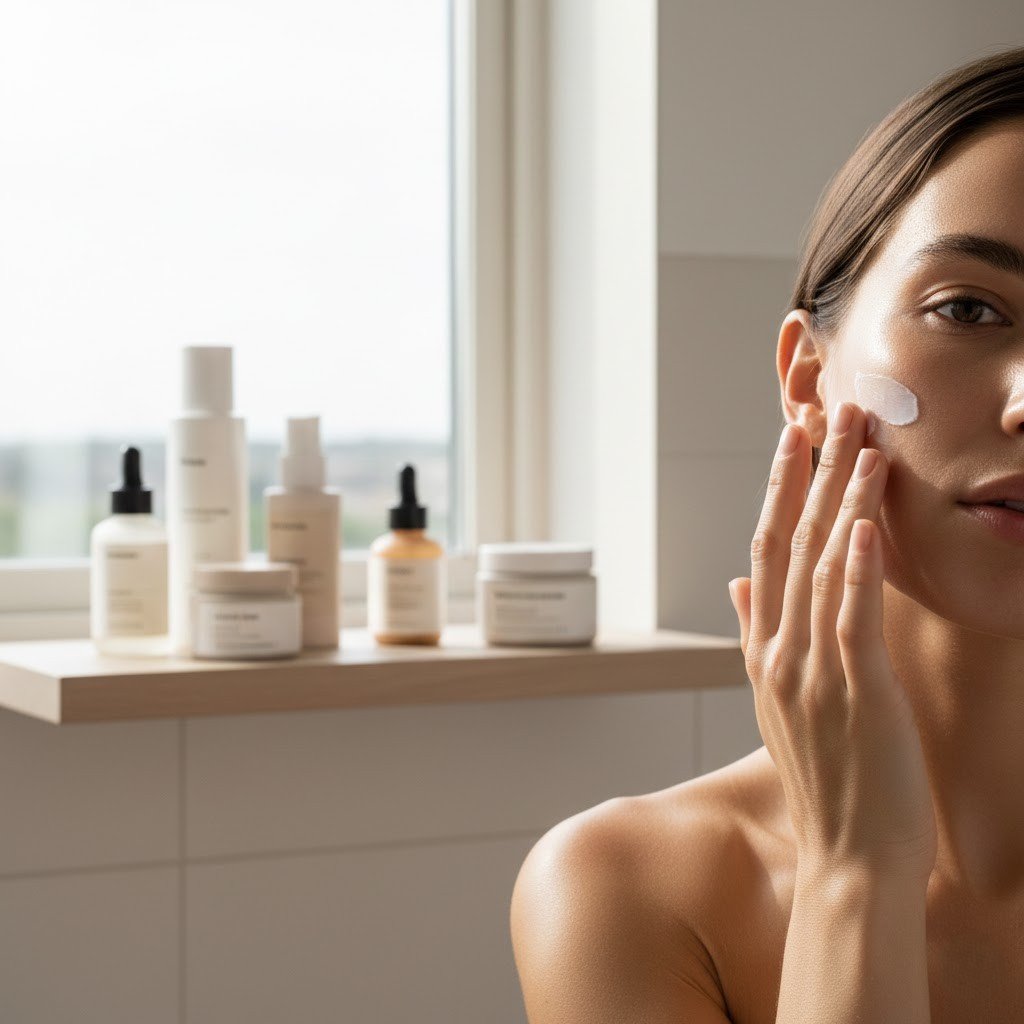
Hailey Bieber created Rhode as a simple, lean business model that centered on the basic skincare services as the increasing number of people preferred simpler, but more effective skincare solutions. This simplistic ideology is in line with the larger industry trends focusing on skin health, barrier support, and ingredient transparency, as opposed to complex regimens.
Growth into Wellness and Lifestyle
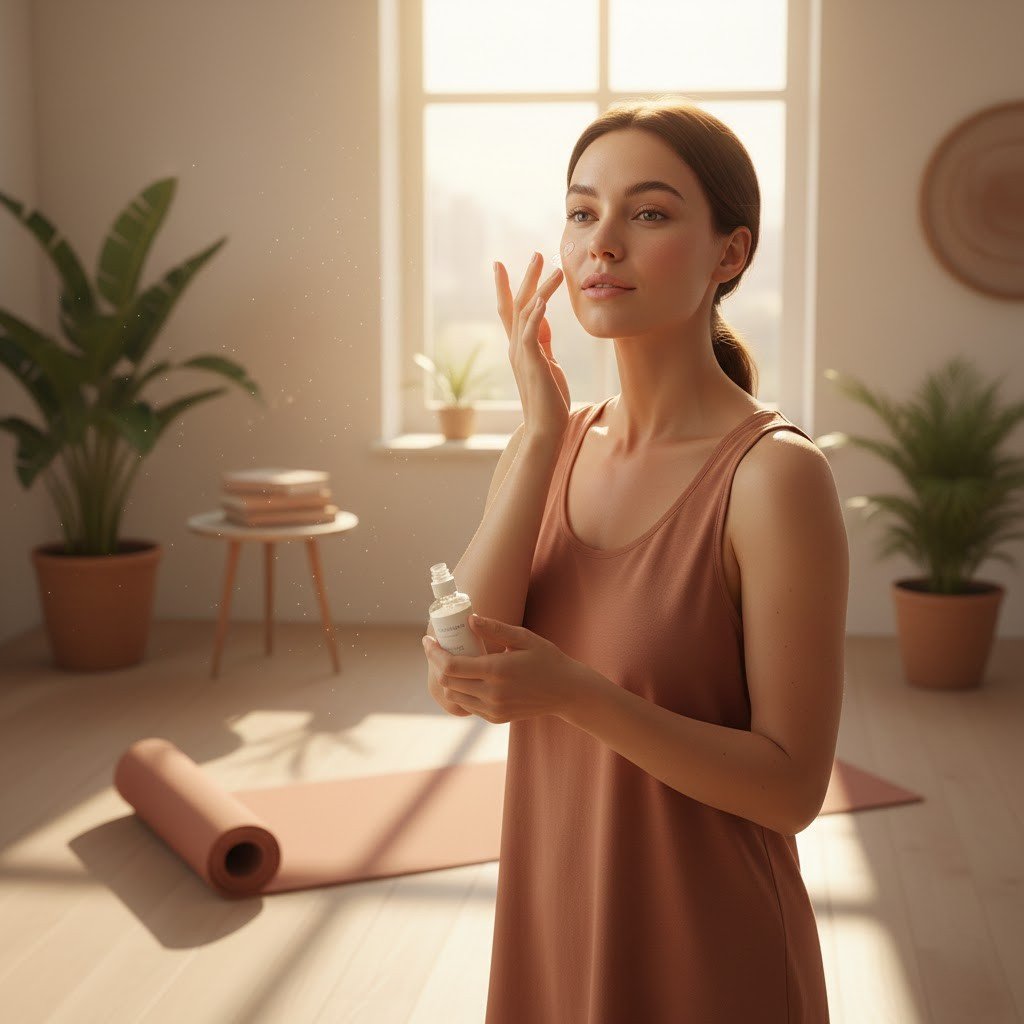
Pharrell Williams released Humanrace which was a combination of skincare and lifestyle messages with a focus on self-care and everyday routine. The brands of celebrities are becoming less about makeup and more about holistic wellness ideas, which creates the possibility of diversifying a brand and developing it over time.
Specialization and Alliances
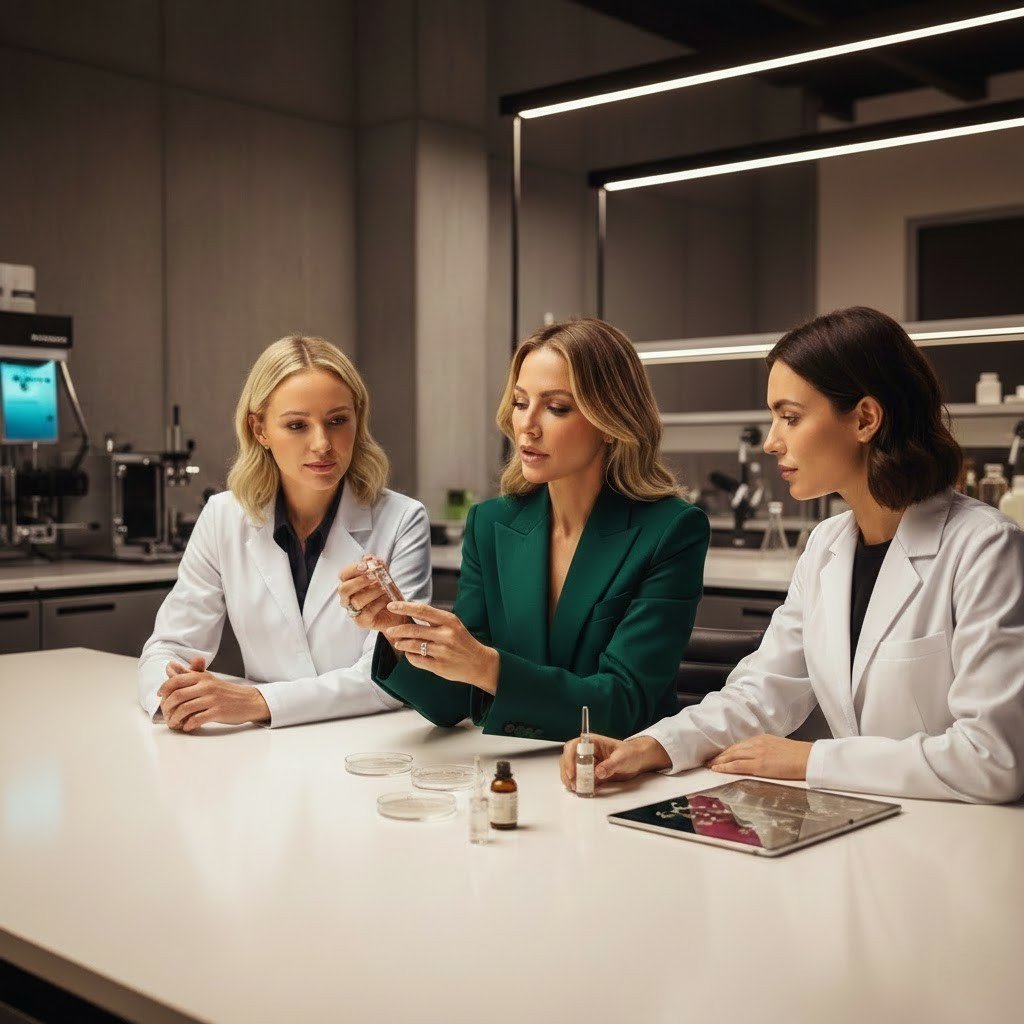
An example of how important being behind the scenes is is the case of Victoria Beckham who created her line of beauty by involving industry professionals and established cosmetic chemists. Effective celebrity brands tend to integrate the power of stars with scientific authority and business strategy to stay afloat in the competitive market.
About the Author