





Planning a facial may seem like a mindless self care practice, but it is indeed a skin care treatment that should be given consideration. Having correct appointment can make your complexion cool and balanced whereas having the incorrect one can make you irritated or disappointed. It is always good to know some few details before you book your next session that will guarantee your safety and good results.
Skin Type

The basic of any facial treatment is to know your skin type. Be it oily, dry, combination or sensitive, each type of complexion reacts to ingredients, exfoliation and hydration techniques differently. The first person who will normally examine your skin will be a professional esthetician, as knowing your baseline concerns enables you to ask relevant questions to ensure treatments are not overwhelming or underdelivering.
Treatment Goals

Facials are not made with everybody in mind. Others are interested in deep cleaning, others are interested in staying hydrated, brightening, or calming down stressed skin. It is always good to have a clear idea about what you want, to allow the provider to make the experience more individualized and to choose the products that will meet your expectations. Entering the store without an agenda might lead to a nice visit that may not entirely solve your particular issues.
Ingredient Awareness
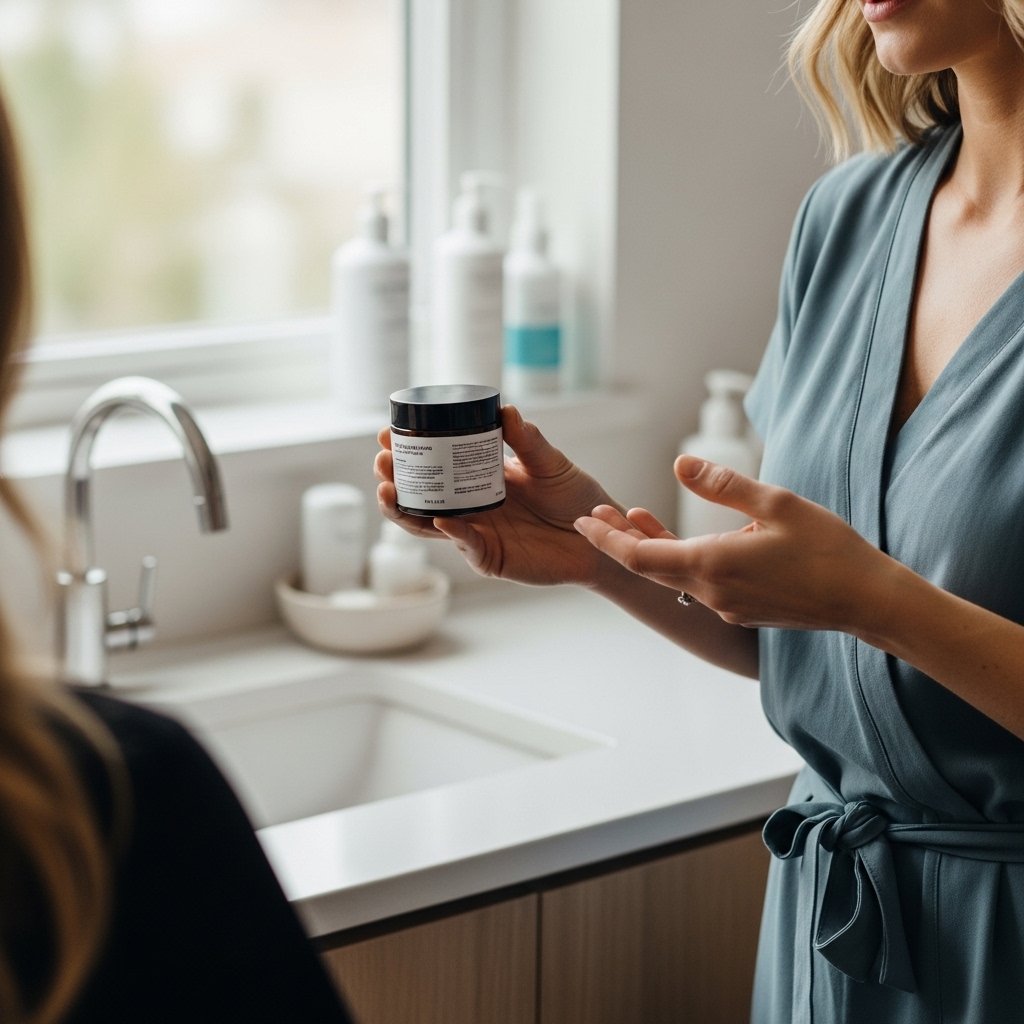
Active ingredients have the capability to transform your outcomes. Alpha hydroxy acids, salicylic acid, vitamin C and retinol are some of the components that have different impacts on the skin. Even though it can enhance texture and tone, it can also make one sensitive when applied excessively. Enquiring on the type of formulas being used will make you know how these type of formulas can be intertwined with what you already know at home.
Sensitivity Levels

You are to report when you feel red, stinking, and react to certain products that you know and then communicate it to us before your session starts. Professional interventions usually entail exfoliation or extraction methods that have the potential of temporarily straining the skin barrier. Honesty regarding the allergies or previous reactions will enable your esthetician to change the pressure, timing, and choice of products to reduce the pain and preserve the integrity of your skin.
Timing Matters

The manner in which your facial is timed can affect the reaction of your skin. It is recommended not to book too close to a big event as it will not be possible to have enough time to recover in case of redness or slight peeling. According to the opinion of many professionals, a week prior to significant events should be planned. Ahead planning will also provide time to your skin so that it can acclimatize and give the full treatment its due.
Realistic Results

One facial is not long-lasting in enhancing hydration and glowing because it is not a long-term solution to deeper issues. Such problems as acne, pigment spots, or fine lines generally need regular treatment and even several treatments. Having realistic expectations avoids acted out expectations and promotes a long term approach that assists the whole skin health as opposed to temporary remedies.
Provider Credentials

It is crucial to select a licensed and experienced esthetician because of the safety and efficacy. The appropriate training will make sure that the methods such as extractions and exfoliation are carried out in a proper manner that is hygienic. Reviewing and certification checks may give some confidence that the practitioner you choose is working within set standards and is concerned about the wellbeing of their clients.
Aftercare Plan

After your facial, no matter what you do is important in sustaining results. The skin is sensitive to sunlight or active products and may take several days. The benefits are preserved by following the aftercare instructions, including the use of gentle cleansers and the use of sunscreen regularly to avoid irritation. Good plan means that your renewed complexion will not only be good till the day after your appointment.
About the Author