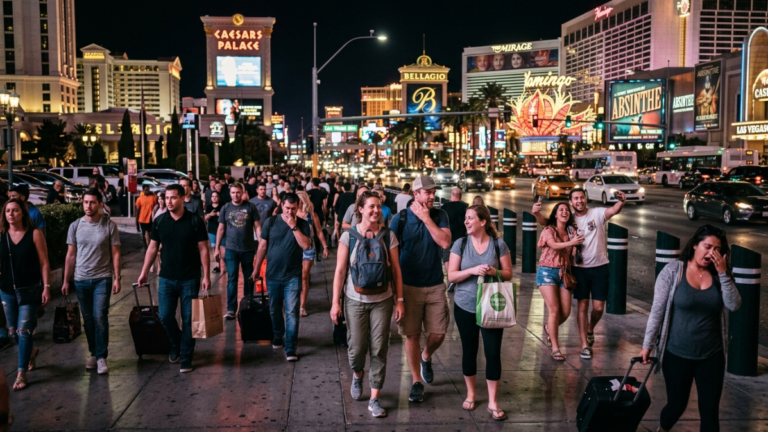



Touring in Europe has been linked to tradition, heritage, and enjoyable moments since time immemorial but the prevailing situations are causing American tourists to become more cautious. Among the changing geopolitical tension, disruption of infrastructure, among others are some of the changing factors affecting the safety and convenience. Although traveling is not prohibited, this knowledge of risks can contribute to people to make sound choices, prevent complications that do not need and be better prepared to go overseas in the time of uncertainty.
Rising Tensions

In certain regions of Europe, geopolitical turmoil has provided the atmosphere of uncertainty, and there are occasional cases of protests and increase of police activities in large cities and transportation centers. There is a risk of flight delays, limited space, and additional questioning, therefore, it is necessary to keep abreast of the local news before and during the visit.
Transport Strikes

Recurring labor strikes in the airlines, railways, and also in the roads have in the past few months hampered traveling plans of most visitors. Such unexpected inconveniences may cause canceled travel, long queues, and the inability to go through the new territories with no stable options to get around.
Security Alerts

The government of various European nations has given periodic security warnings on the fear of some threats in tourist hotspots filled with people. Although these warnings are precautionary, the aftermath is usually tighter inspection and visible policing which may negatively impact on the entire experience of traveling.
Overcrowded Cities

Travel spots are recording unprecedented tourism levels, resulting in congestion of streets, lack of accommodation and stressed local facilities. This congestion does not only reduce the quality of traveling, but also leaves a chance of theft and petty accidents in high-traffic places.
Extreme Weather

Abnormal weather conditions such as extreme heat waves and abrupt thunderstorms have been experienced in greater frequency in Europe thus bringing about health and safety concerns to tourists who are not used to such levels. These conditions may also interfere with the outdoor plans, transportation schedule, and access to some attractions.
Healthcare Gaps

It may also be challenging to have emergency care given to travelers promptly due to differences in healthcare systems and sometimes the pressure on medical facilities. Additional barriers to care may be language barriers and lack of familiarity with the procedure, particularly in less urban areas.
Digital Scams

The number of advanced internet and physical frauds against tourists has become a worry among travel agents and information security specialists. Fraudulent booking websites and misleading payment strategies are some of the schemes that can cause loss of money and unwarranted stress in the course of a trip.
About the Author