


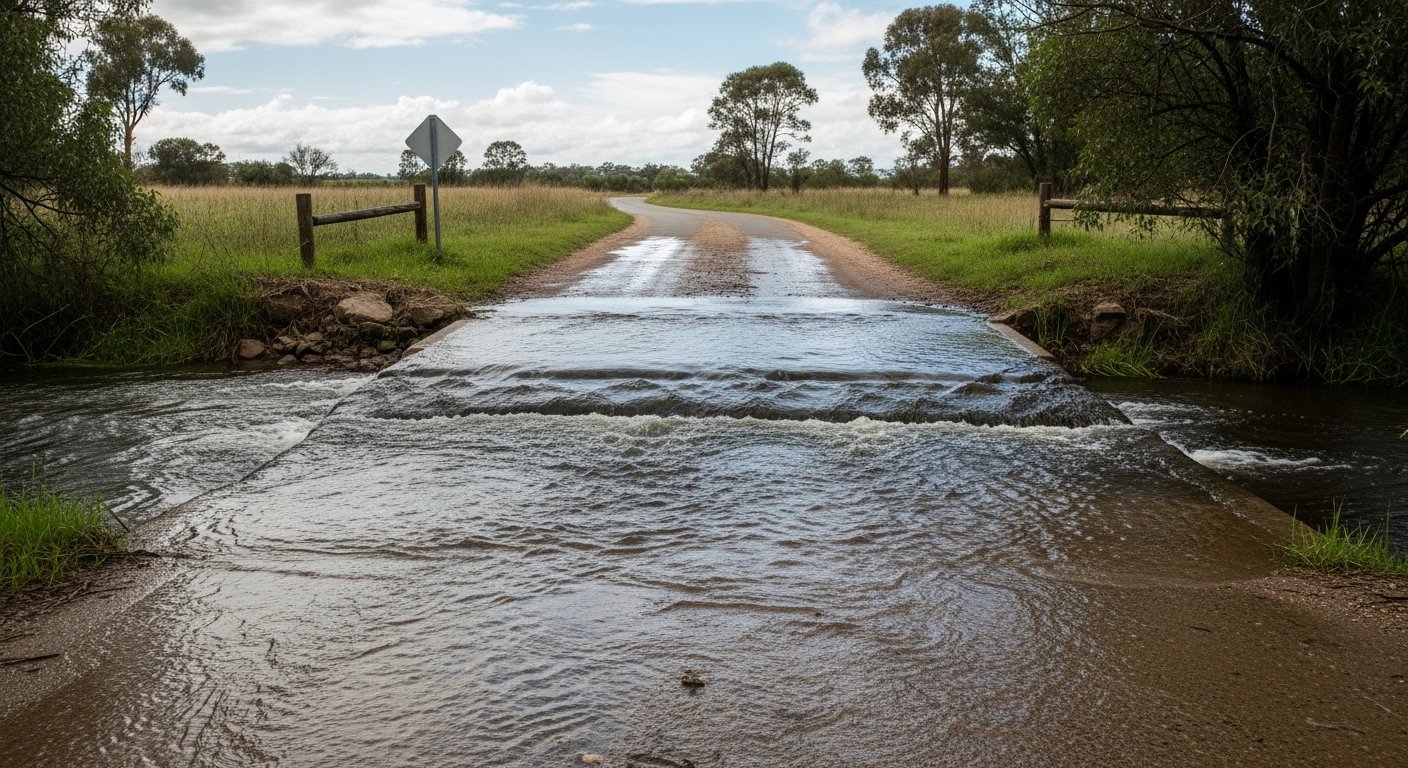
Even a few rains can change placid crossings of creek beds into dangerous and dangerous-to-asthma-to-judgment breakers. In some parts of the United States, the topography, the soil structure and the drainage system intersect in such a manner that within minutes, water becomes elevated and the currents become intense and unpredictable. Knowing in which locations such risks are more frequently allows the traveler, driver, and outdoor adventure not to be complacent.
Texas Hill Country
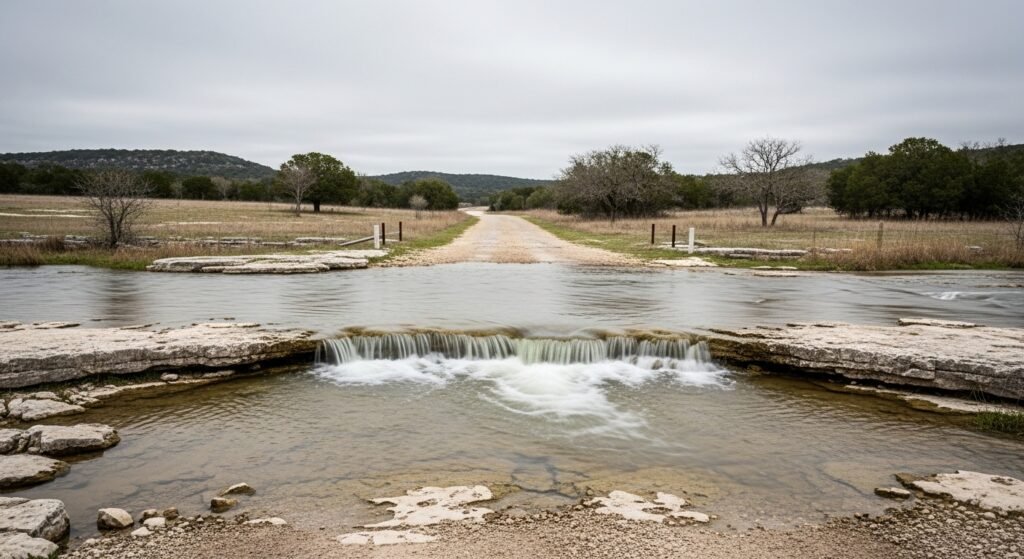
In this area, shallow crossing can become very dangerous within minutes as the limestone terrain will not allow the water to seep into the ground but it will flow swiftly over the low-water crossings. Even mild rainfall up the river may cause sudden changes to the downstream, producing misleading powerful flows that may easily transport the vehicles and individuals without much force.
Arizona Desert
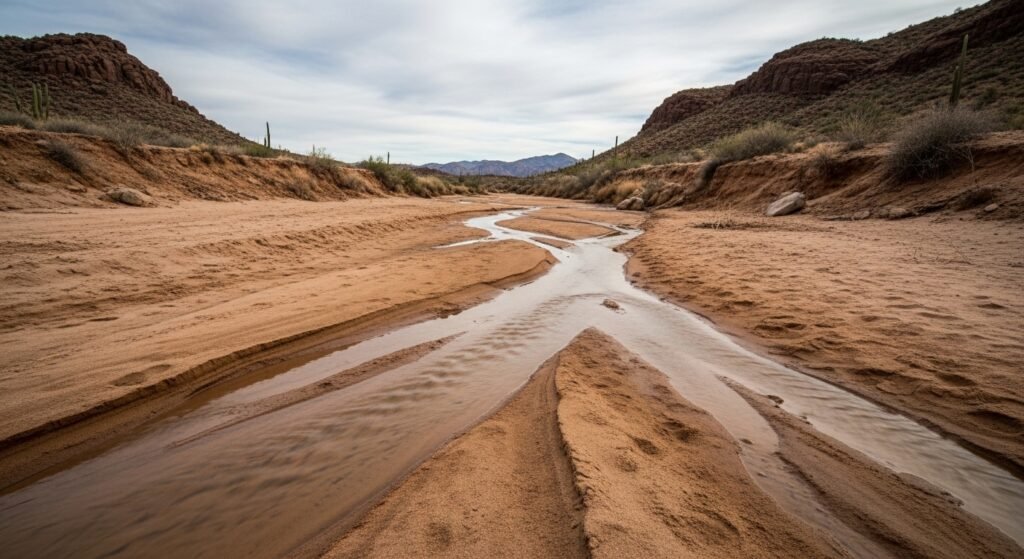
Washes are dry creek beds, which might seem to be harmless most of the time but when it pours miles away, it causes flash floods to be rushing to the washes without their presence being felt. The failure of the ground to absorb water rapidly causes water to accumulate speed rapidly hence making it dangerous even when there is no rain on a specific day.
New Mexico Plains
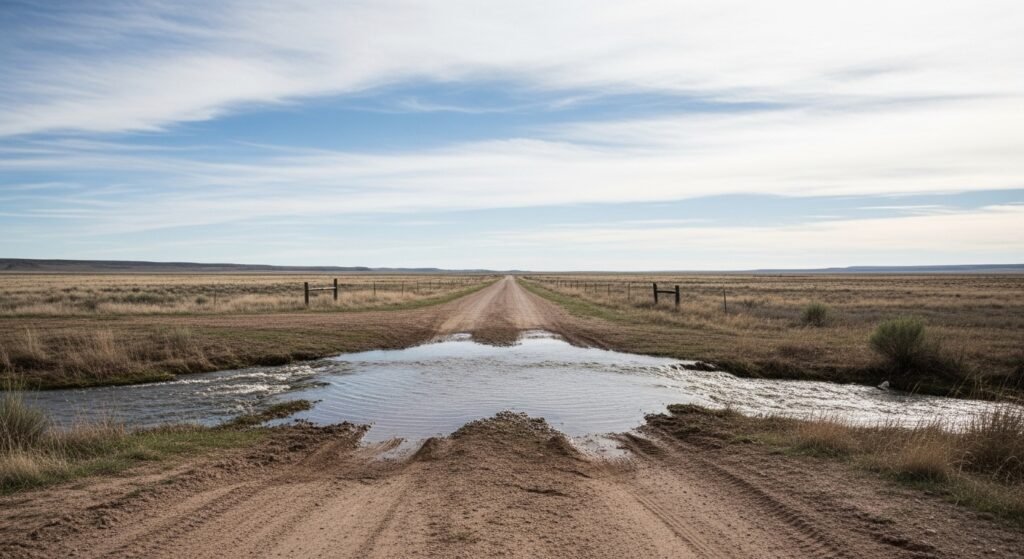
Little vegetation cover and compacted soil means that the rain water moves fast over open land, contributing to tiny creeks which greatly increase in volume within a short time in season of slight storms. Drivers usually underestimate the rate by which these crossings shift causing unsafe circumstances where the depth of water and the force suddenly rise.
Utah Canyonlands
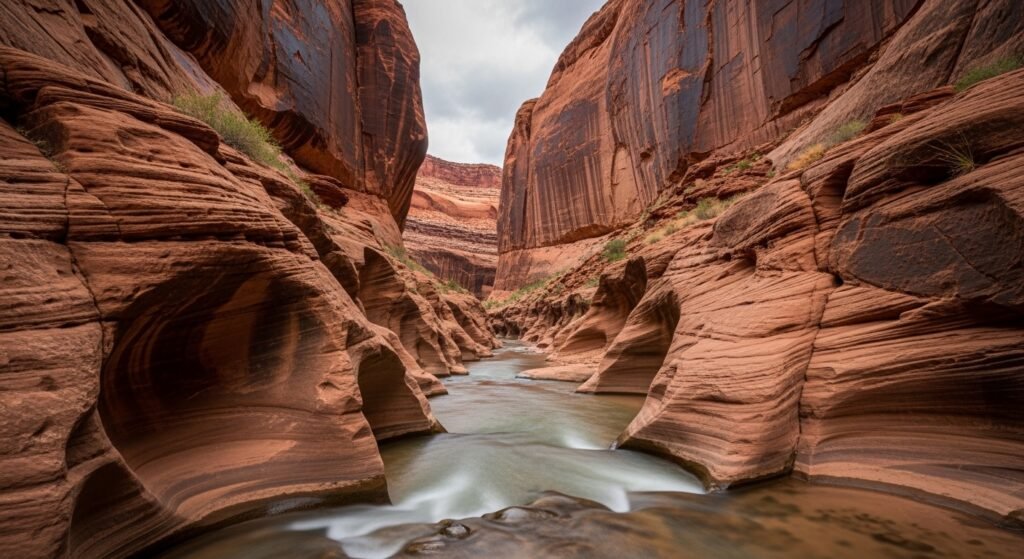
Canyons are small passageways that direct water into small areas, increasing depth and speed in a few moments. The slight rain may turn into a dense flow that transforms harmless crossings over the creek into strong streams, which are hard to avoid or foresee.
Colorado Foothills
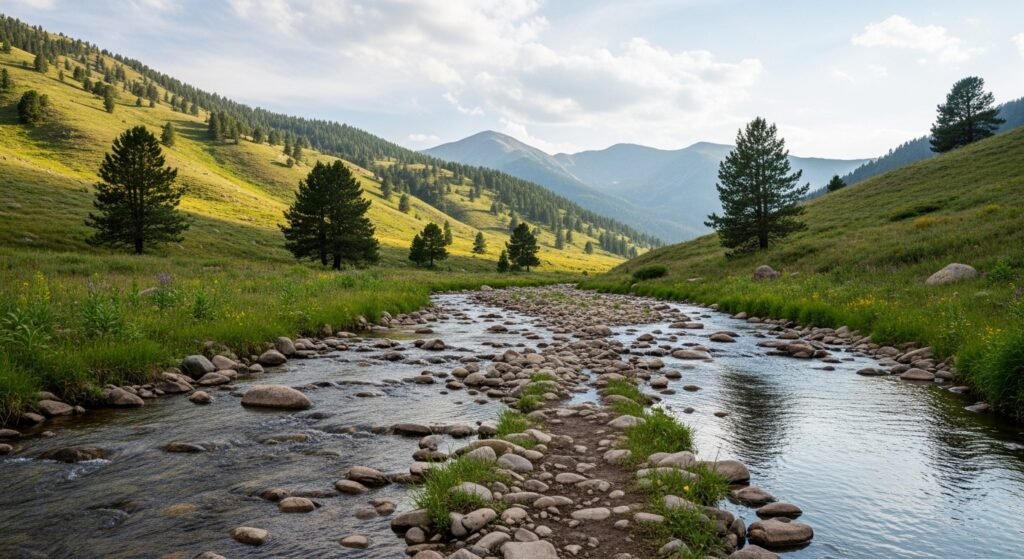
The steep slopes in mountain runoffs cause the acceleration of the runoff which gets into the creeks quickly, increasing faster than anticipated. Even light rain at higher levels may generate the conditions of the downstream that may seem still, but it contains powerful undercurrents that may stabilize vehicles and footing.
California Valleys
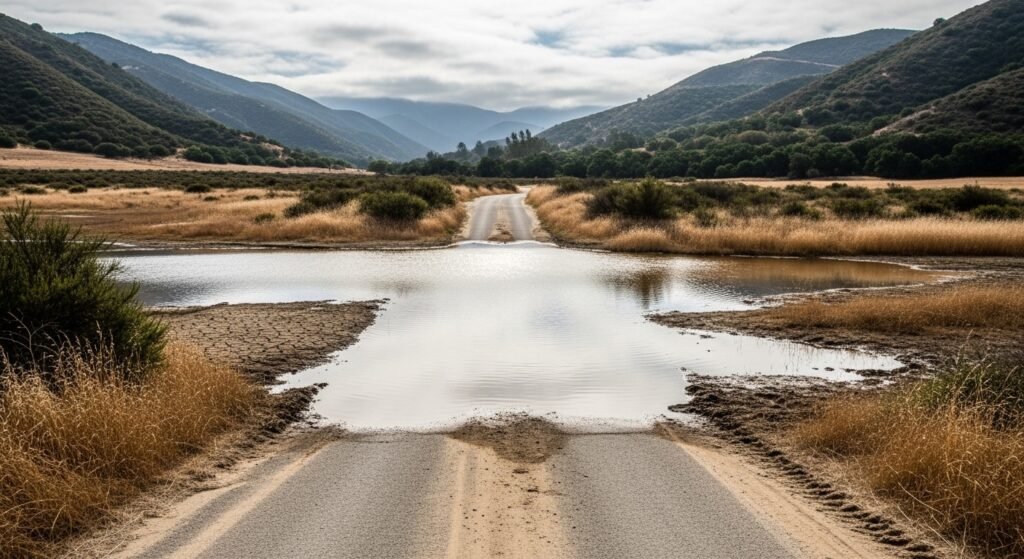
Heavy compaction soil and urban runoffs in most regions of the state help in causing quick water build-up in creeks following a small amount of rainfall. Dry seasons may make the ground less absorbent, resulting in the crossings being flooded soon, and providing limited time to make the judgement on safe crossing.
Nevada Basins
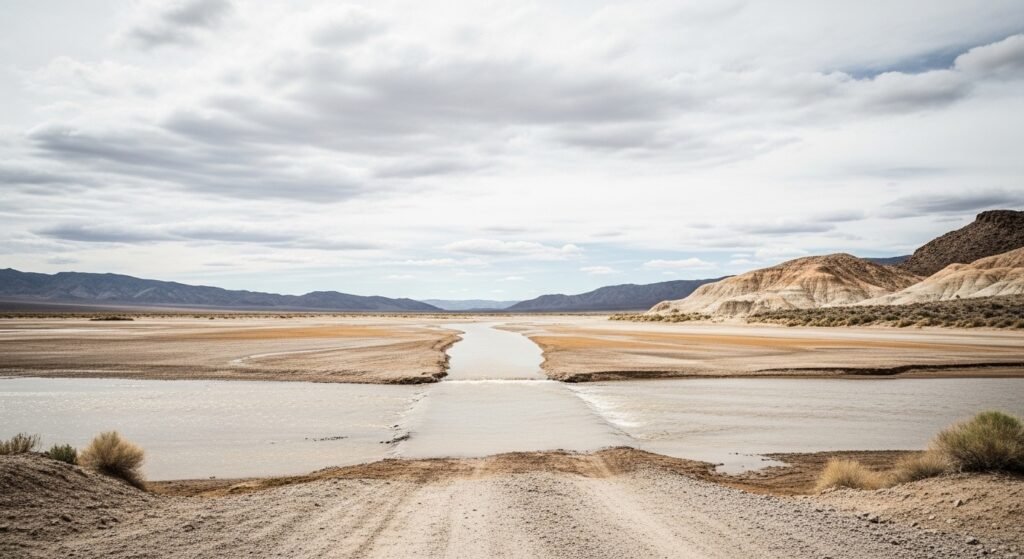
A flat terrain and abrupt storm activity may result in high speed sheet flows which accumulate into crossing and creeks. Due to the limited rain, the soil can not absorb natural water effectively, which even small crossings can become unpredictable.
Tennessee Lowlands
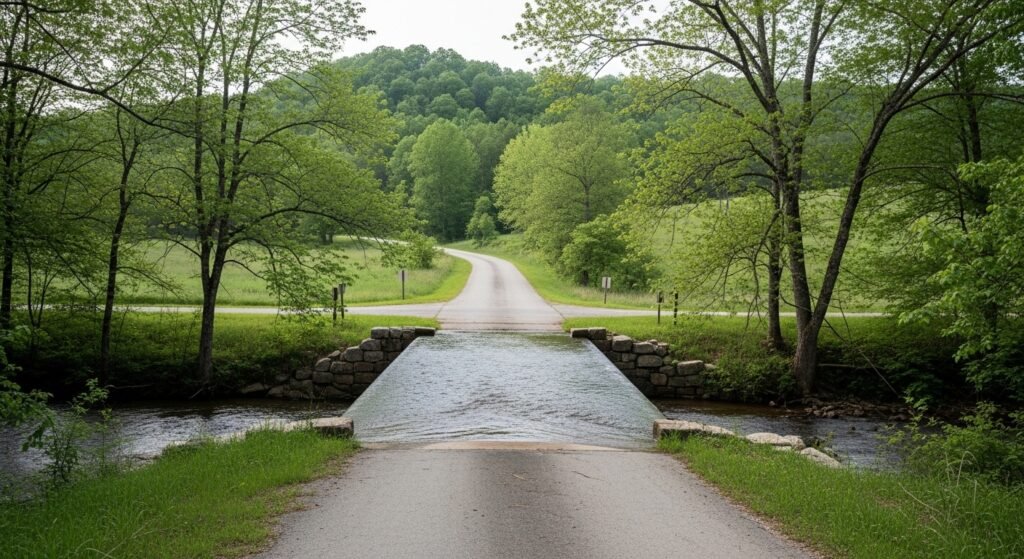
Hilly slopes and clay soils reduce the rate of absorption and channel water to creeks which may overflow readily when it rains. These crossings might seem to be easy at a first glance, whereas there are concealed currents and loose soil under the water, which makes the possibility of being stuck or being swept away higher.
Kentucky Backroads

Crossing of rural areas in this area may not have barriers or depth indicators, and so one may not easily gauge the safety during and after rains. Harmless looking creeks may fill up very quickly under upstream runoff, providing a situation which alters at a rate much quicker than most motorists would expect.
West Virginia Hollows
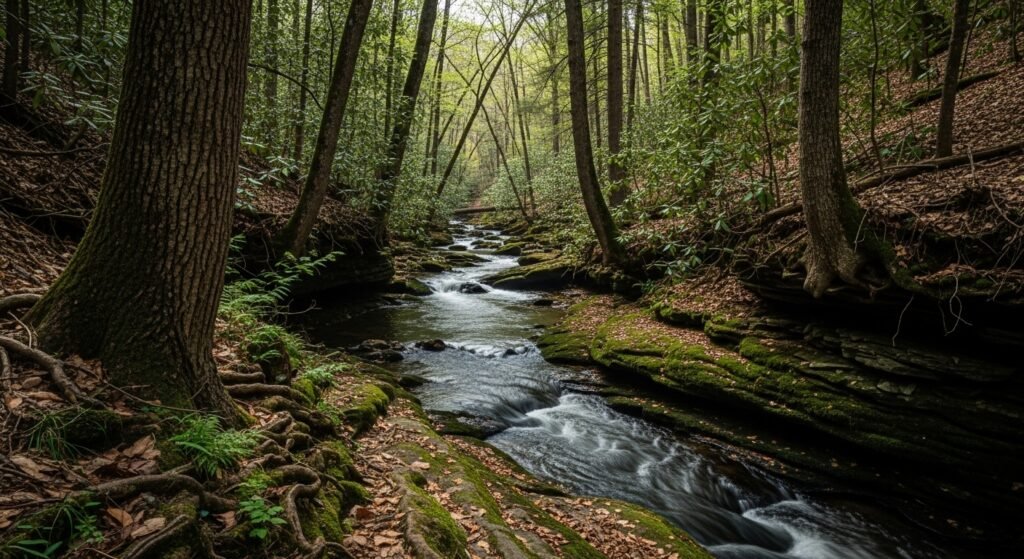
Hilly sides redirect rain water into small creek beds increasing its flow in a very short period of time. Light rainfall can generate rapid moving water through these narrow passages and hence crossings are particularly dangerous in areas with lack of visibility and facilities of escape.
About the Author